
Introduction
Choosing the right web hosting provider can make a major difference to the success of a business website, online store, blog, or startup project. In this Hostinger Review, we explore whether Hostinger still offers strong value in 2026 and whether it remains one of the best affordable hosting providers for UK startups, freelancers, sole traders, and small businesses.
Hostinger has built a reputation for combining low-cost hosting plans with surprisingly strong performance, beginner-friendly tools, and scalable infrastructure. While many budget hosting providers struggle with reliability or hidden upsells, Hostinger has continued expanding its offering with faster servers, AI-powered website tools, improved security features, and simplified hosting management through its custom hPanel dashboard.
For startups and growing online businesses, cost efficiency matters. Many founders want a hosting provider that keeps monthly expenses low while still providing solid uptime, responsive customer support, and room to grow. That is why Hostinger for startups continues to attract attention across the UK market. Whether you are launching a business website, portfolio, online shop, or content platform, Hostinger positions itself as an accessible entry point without requiring technical expertise.
One of the biggest selling points is pricing. Hostinger frequently runs introductory promotions, including discounted hosting plans, free domains, website migration support, and bundled security features. At the time of writing, users can sign up from just £2.99/month and claim an additional 20% discount plus two extra months free using this offer: https://startupdeals.co.uk/recommends/hostinger
This review covers everything you need to know before signing up, including pricing, hosting performance, ease of use, customer support quality, scalability, ecommerce capabilities, and overall value for money. We also explore the key Hostinger pros and cons so you can decide whether it is the right hosting platform for your specific business needs.
If you are comparing affordable hosting providers for a side project, startup, or growing SME, this guide is designed to help you make a more informed decision. We also look at how Hostinger compares against alternatives such as SiteGround, Bluehost, and GoDaddy, alongside practical guidance for getting started.
By the end of this article, you should have a clear understanding of whether Hostinger for small businesses is genuinely competitive in 2026 or simply another low-cost hosting provider with aggressive marketing.
Contents
What Is Hostinger?
Hostinger Review: Key Features & Hosting Tools
Who Is Hostinger Best For?
Hostinger Pricing Explained
Hostinger Performance & Uptime
Hostinger Pros and Cons
Hostinger for Small Businesses & Startups
How to Get Started With Hostinger
Hostinger vs Competitors
Hostinger Discount & Current Offer
General FAQs
Offer FAQs
Recap
Conclusion
What Is Hostinger?
Hostinger is a global web hosting company that provides affordable hosting services, website tools, cloud hosting solutions, and domain registration for individuals and businesses. Originally launched in 2004, the company has expanded significantly and now serves millions of users worldwide, including a growing customer base in the UK startup and SME market.
At its core, Hostinger focuses on delivering low-cost hosting without stripping away important features. Many budget hosting providers limit performance, storage, or support quality in order to maintain cheap pricing, but Hostinger has positioned itself differently by offering fast loading speeds, modern infrastructure, and user-friendly website management tools even on lower-tier plans.
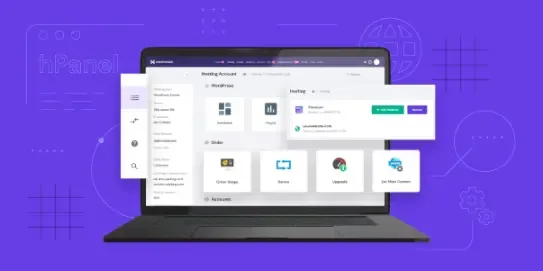
One of the most noticeable differences compared with traditional hosting providers is the custom-built hPanel dashboard. Instead of using the standard cPanel interface, Hostinger developed its own simplified control panel designed to make website management easier for beginners. This includes tools for managing domains, SSL certificates, email accounts, backups, databases, and WordPress installations from one streamlined interface.
Hostinger supports a wide range of users, including bloggers, ecommerce businesses, freelancers, agencies, and growing online brands. It is particularly popular with users looking for Hostinger for startups because the platform offers relatively low upfront costs while still providing scalability. Businesses can start on shared hosting plans and later upgrade to cloud hosting or VPS solutions as traffic grows.

Another important factor behind Hostinger’s popularity is WordPress hosting. The company offers specialised WordPress optimisation, including LiteSpeed caching, managed updates, AI website creation tools, staging environments, and one-click installations. This makes it easier for non-technical users to launch professional websites quickly without relying heavily on developers.
Hostinger for small businesses is especially appealing because many features that would normally cost extra elsewhere are bundled into the hosting package. Depending on the plan selected, users may receive free domains, free SSL certificates, website migration support, business email functionality, and automated backups included within the subscription.
Security is another area where Hostinger has invested heavily. Features such as DDoS protection, malware scanning, account isolation, multi-factor authentication, and regular backups help improve overall website safety. For startups and online stores handling customer data, these protections are increasingly important in 2026.
While affordability remains a major attraction, the platform is no longer viewed simply as a “cheap hosting provider.” Instead, many businesses now see Hostinger as a genuine performance-focused hosting platform capable of supporting growing websites at a competitive price point.
Hostinger Review: Key Features & Hosting Tools
A major reason behind Hostinger’s continued growth is the strength of its overall feature set. In this Hostinger Review, it becomes clear that the company is no longer competing solely on price. Instead, Hostinger is attempting to position itself as a complete website platform for startups, creators, and businesses that want reliable hosting combined with modern website management tools.
One standout feature is the custom hPanel dashboard. Unlike traditional cPanel systems that can feel outdated or overly technical, hPanel has a cleaner and more beginner-friendly interface. Users can manage hosting, domains, databases, SSL certificates, email accounts, backups, and website files from one central dashboard. For first-time business owners or freelancers building websites independently, this simplicity can save significant time.
Hostinger also includes AI-powered tools designed to speed up website creation. The AI website builder can generate layouts, copy suggestions, logos, and branding ideas based on a few prompts. While experienced developers may still prefer full manual control, these tools can help startups launch faster without needing advanced design skills.
Performance optimisation is another strong area. Hostinger uses LiteSpeed web servers, which are generally faster than traditional Apache-based hosting environments. Combined with LiteSpeed Cache for WordPress, websites can load quickly even on lower-cost plans. Fast website performance is increasingly important for SEO rankings, user experience, and ecommerce conversions.
WordPress users receive several dedicated features including one-click WordPress installation, automatic updates, vulnerability scanning, staging functionality, and performance optimisation tools. This makes Hostinger for startups especially attractive because founders can launch WordPress sites without dealing with complicated server configuration.
Security features are also competitive for the price point. Hostinger plans often include free SSL certificates, Cloudflare-protected nameservers, DDoS mitigation, malware scanning, secure access management, and automated backups. Businesses operating ecommerce websites or collecting customer data benefit from these additional protections.
Another benefit is scalability. Many businesses initially choose shared hosting but later require additional performance as traffic increases. Hostinger offers cloud hosting and VPS upgrades that allow users to scale gradually without migrating away from the ecosystem entirely. This flexibility improves the long-term value proposition for Hostinger for small businesses.
Customer support is available through 24/7 live chat, and response times are generally strong compared with many low-cost competitors. The support library also contains extensive tutorials and setup guides covering WordPress, email configuration, domains, optimisation, and troubleshooting.
For users looking to reduce costs while still accessing professional hosting tools, the current Hostinger discount offer remains attractive. Eligible users can sign up from £2.99/month, claim an additional 20% discount, and receive two extra months free through this link: https://startupdeals.co.uk/recommends/hostinger
Who Is Hostinger Best For?
Hostinger is designed to appeal to a wide range of users, but it is particularly well suited to startups, freelancers, bloggers, online creators, and small businesses looking for affordable hosting without sacrificing core performance features. In 2026, many businesses want flexible digital infrastructure that can scale gradually, and this is where Hostinger performs particularly well.
For startups, keeping operational costs under control is often a priority. New businesses rarely want to commit to expensive enterprise hosting before validating their product or generating reliable traffic. Hostinger for startups provides a relatively low-risk entry point because businesses can launch websites, landing pages, or ecommerce stores at a modest monthly cost while still accessing modern hosting features.
Freelancers and consultants also benefit from Hostinger’s simplicity. Many independent professionals need a clean portfolio website, lead generation site, or client booking platform without spending heavily on web infrastructure. The simplified hPanel dashboard makes it easier to manage domains, email accounts, SSL certificates, and WordPress installations without relying on technical support teams.
Hostinger for small businesses is especially attractive for service-based companies, local businesses, agencies, and growing ecommerce brands. Businesses that need multiple websites can benefit from plans that support hosting several domains under one account. This becomes useful for agencies managing client sites or founders operating multiple online projects.
The platform is also a strong option for WordPress users. Businesses building blogs, SEO content sites, affiliate websites, or WooCommerce stores can benefit from Hostinger’s performance-focused WordPress environment. Features such as LiteSpeed caching, automatic updates, and staging functionality help improve website management while reducing technical complexity.
Another audience that benefits from Hostinger is beginner website owners. Many hosting platforms assume users already understand server management, DNS configuration, or backend optimisation. Hostinger simplifies much of this process, making it accessible for people launching their first website. AI-powered website creation tools further reduce the barrier to entry for non-technical founders.
However, Hostinger may not suit every use case. Large enterprise businesses with highly customised hosting requirements may prefer dedicated infrastructure providers with advanced server-level control. Similarly, websites handling extremely high traffic volumes or enterprise-scale ecommerce operations may eventually outgrow shared hosting environments and require more specialised solutions.
Still, the balance between affordability, usability, and performance makes Hostinger one of the strongest all-round options in the budget hosting market. When evaluating Hostinger pros and cons, its broad accessibility remains one of its biggest advantages. Few providers manage to combine beginner-friendly tools, scalable hosting options, and competitive pricing as effectively.
For founders looking to minimise setup friction while launching quickly, Hostinger remains one of the most practical hosting platforms currently available in the UK market.
Hostinger Pricing Explained
Pricing is one of the biggest reasons many users initially consider Hostinger, but understanding how the company structures its plans is important before signing up. While the low promotional pricing is attractive, users should also understand renewal pricing, included features, and which hosting tier best fits their requirements.
Hostinger offers several main categories of hosting including shared hosting, managed WordPress hosting, cloud hosting, VPS hosting, and ecommerce-focused solutions. For most startups, freelancers, and smaller businesses, shared hosting or WordPress hosting will be the most relevant starting point.
Entry-level shared hosting plans are typically the cheapest option and are designed for smaller websites or personal projects. These plans usually include one website, SSD storage, free SSL certificates, and basic performance features. Higher-tier shared plans expand website limits, storage allowances, backup frequency, and performance optimisation tools.
Many users exploring Hostinger for startups choose premium shared hosting plans because they strike a stronger balance between cost and scalability. These plans often include free domain registration, multiple website support, enhanced performance resources, business email functionality, and automatic backups.
Cloud hosting plans are aimed at businesses needing improved performance and reliability without managing dedicated infrastructure. These plans provide more dedicated resources, isolated environments, and enhanced uptime consistency. Ecommerce businesses and rapidly growing websites may benefit from upgrading to cloud hosting once traffic increases significantly.
One important consideration when evaluating Hostinger pros and cons is introductory pricing versus renewal pricing. Like many hosting providers, Hostinger offers discounted rates for initial contract periods, particularly on longer-term plans. Renewal costs are usually higher after the introductory period ends, so businesses should budget accordingly.
That said, even renewal pricing often remains competitive compared with alternative hosting providers. Businesses comparing total feature value may still find Hostinger affordable once bundled extras such as SSL certificates, domains, backups, and migration support are considered.
The current Hostinger discount offer is one of the most aggressive available in the UK hosting market. Eligible users can currently sign up from £2.99/month while also receiving an additional 20% discount and two extra months free through this link: https://startupdeals.co.uk/recommends/hostinger
The offer also includes free domain registration, free website migration, and 24/7 support on qualifying plans.
As with most hosting promotions, pricing depends on billing duration, selected plan type, and eligibility requirements. Promotional pricing may apply only to new customers or longer-term subscriptions. Offers are subject to change, so users should always check current terms before purchasing.
For businesses prioritising affordability, bundled features, and scalable hosting flexibility, Hostinger continues to offer strong value compared with many competitors operating at higher price points.
Hostinger Performance & Uptime
Website performance plays a major role in SEO rankings, conversion rates, user experience, and customer trust. Slow-loading websites can increase bounce rates, reduce search visibility, and negatively impact ecommerce sales. In this area, Hostinger performs considerably better than many users expect from a low-cost hosting provider.
One of the biggest reasons for Hostinger’s strong performance is its use of LiteSpeed web server technology. Compared with older Apache-based hosting environments, LiteSpeed servers are generally faster and more resource-efficient. This can lead to noticeably quicker page load times, particularly for WordPress websites using LiteSpeed Cache optimisation.
Hostinger also benefits from a globally distributed server infrastructure. Businesses targeting UK audiences can choose European server locations to help reduce latency and improve loading performance for domestic visitors. Faster response times are especially important for online stores, lead generation sites, and SEO-driven content platforms.
For WordPress users, performance optimisation tools are integrated directly into the hosting environment. Features such as object caching, advanced caching layers, image optimisation support, and content delivery integration help improve loading speeds without requiring advanced technical configuration.
Hostinger for small businesses becomes particularly attractive when balancing performance against pricing. Many competing budget hosts struggle under moderate traffic spikes or large WordPress installations, but Hostinger generally delivers more stable performance than expected at its price level.
Uptime reliability is another key consideration. Downtime can damage trust, reduce revenue opportunities, and interrupt lead generation activities. Hostinger advertises a 99.9% uptime guarantee, and real-world performance has generally remained competitive within the shared hosting market. While occasional interruptions can occur on any hosting platform, Hostinger has continued improving infrastructure stability over recent years.
Cloud hosting users typically experience even stronger reliability due to isolated resources and improved server allocation. Businesses running ecommerce stores, membership platforms, or revenue-generating websites may eventually benefit from upgrading beyond shared hosting environments as traffic grows.
Security protections also contribute indirectly to performance and stability. Features such as DDoS mitigation, malware monitoring, and account isolation reduce the likelihood of server disruptions caused by malicious activity or neighbouring accounts.
Another advantage is scalability. Businesses using Hostinger for startups can begin with affordable shared hosting and later transition toward cloud hosting or VPS solutions without rebuilding their entire infrastructure. This flexibility makes long-term scaling more manageable.
When assessing Hostinger pros and cons, performance is no longer an obvious weakness. In fact, performance has become one of Hostinger’s strongest selling points relative to its pricing. For startups, bloggers, and SMEs wanting faster hosting without paying premium enterprise pricing, Hostinger now competes surprisingly well against significantly more expensive providers.
Hostinger Pros and Cons
Understanding the main Hostinger pros and cons is essential before deciding whether the platform is the right long-term hosting solution for your business. While Hostinger offers excellent value in several areas, there are also limitations that users should consider depending on their technical requirements, growth plans, and website complexity.
One of the biggest advantages is affordability. Hostinger consistently ranks among the cheapest reputable hosting providers while still offering modern infrastructure and competitive performance. This makes Hostinger for startups especially attractive because founders can launch websites without committing to large monthly hosting costs during the early stages of growth.
Another major benefit is usability. The custom hPanel dashboard simplifies website management significantly compared with more traditional hosting interfaces. Users can manage domains, databases, SSL certificates, email accounts, and backups through a cleaner and more intuitive system. Beginners often find this easier to navigate than older cPanel-based environments.
Performance is another strong point. LiteSpeed web servers, caching technology, and optimised WordPress hosting contribute to fast loading speeds across many websites. Hostinger for small businesses performs particularly well for SEO-driven websites, blogs, and ecommerce stores that rely heavily on speed and uptime reliability.
Bundled features also improve the overall value proposition. Depending on the selected plan, users may receive free SSL certificates, domain registration, automated backups, business email accounts, malware protection, and website migration support included within the subscription cost.
Scalability is another advantage. Businesses can start on low-cost shared hosting and later upgrade to cloud or VPS hosting as traffic grows. This flexibility helps startups avoid overpaying for infrastructure before it becomes necessary.
However, there are also some drawbacks. One of the most common criticisms involves renewal pricing. While introductory discounts are extremely competitive, renewal rates increase after the initial contract period. This is common across the hosting industry, but users should still budget carefully for long-term costs.
Another limitation is that some advanced developer features are less extensive compared with premium enterprise-focused hosting providers. While Hostinger supports most mainstream website needs, highly customised server environments or advanced enterprise hosting requirements may be better suited elsewhere.
Customer support is generally responsive, but support channels are primarily live chat based. Users expecting immediate phone support may prefer providers offering broader support options.
Some users may also find the large number of upsell prompts during onboarding slightly aggressive. Additional security tools, backups, domains, and performance add-ons are frequently promoted during the signup process.
Still, when weighing Hostinger pros and cons overall, the positives outweigh the negatives for most startups, freelancers, and growing businesses. The platform successfully combines affordability, strong performance, beginner accessibility, and scalable infrastructure in a way that relatively few competitors currently match.
For businesses seeking practical value rather than enterprise complexity, Hostinger remains one of the strongest budget hosting providers available in 2026.
Hostinger for Small Businesses & Startups
Hostinger has become increasingly popular among UK entrepreneurs because the platform aligns closely with the needs of early-stage businesses, freelancers, and growing SMEs. In many ways, Hostinger for startups represents one of the most practical entry points into professional website hosting without requiring large upfront investment or technical expertise.
For startups, speed of execution matters. Founders often need to launch websites quickly in order to validate products, generate leads, build credibility, or start acquiring customers. Hostinger simplifies this process through beginner-friendly tools, one-click WordPress installations, AI-powered website creation, and straightforward onboarding workflows.
Cost efficiency is another major factor. Early-stage businesses are typically cautious about recurring operational expenses, especially before revenue becomes predictable. Hostinger for small businesses helps reduce initial overhead by combining hosting, domains, SSL certificates, email functionality, and website management tools within one platform.
The ability to scale gradually is also valuable. Many startups begin with simple landing pages or brochure-style websites before eventually expanding into ecommerce, membership platforms, or larger content-driven websites. Hostinger allows businesses to start with shared hosting and later upgrade toward cloud hosting or VPS infrastructure as traffic and resource demands increase.
Another reason many businesses choose Hostinger is website performance. Fast-loading websites improve user experience while also supporting stronger SEO performance. For startups competing aggressively in organic search results, page speed can directly influence visibility and conversion rates.
Hostinger for startups is also particularly appealing for businesses operating with lean internal teams. Many founders do not have dedicated developers or IT staff available to manage servers, optimise hosting environments, or troubleshoot backend infrastructure. Hostinger’s simplified interface reduces much of this technical burden.
For ecommerce businesses, WooCommerce compatibility is another advantage. Businesses can launch online stores using WordPress and WooCommerce while benefiting from integrated caching, SSL certificates, automated backups, and security protections. This creates a relatively affordable ecommerce setup compared with fully managed SaaS alternatives charging higher monthly fees.
Freelancers and agencies can also benefit from multi-site hosting plans. Users managing several client websites may find Hostinger cost-effective when hosting multiple projects under one account.
The current promotional offer further strengthens the value proposition for businesses wanting to minimise startup costs. Eligible users can currently sign up from £2.99/month and receive an extra 20% discount plus two additional months free through this link: https://startupdeals.co.uk/recommends/hostinger
The offer also includes free domain registration, free migration support, and 24/7 customer assistance on qualifying plans. Terms and eligibility conditions apply and offers may change over time.
When evaluating hosting providers for business use, affordability alone is rarely enough. Reliability, performance, support quality, and scalability matter equally. Hostinger succeeds because it balances all of these areas reasonably well while maintaining highly competitive pricing.
How to Get Started With Hostinger
Getting started with Hostinger is relatively straightforward, even for users with little previous website or hosting experience. The platform has simplified much of the onboarding process, making it accessible for startups, freelancers, bloggers, and small businesses wanting to launch websites quickly.
The first step is selecting the right hosting plan. Most beginners exploring Hostinger for startups will typically choose either Premium Shared Hosting or Business Shared Hosting. These plans generally offer the best balance between affordability, performance, and included features. Businesses expecting higher traffic volumes or ecommerce activity may eventually prefer cloud hosting plans instead.
After selecting a hosting package, users can register a new domain name or connect an existing domain during the signup process. Many plans include free domain registration for the initial term, which helps reduce upfront setup costs.
The next stage involves configuring the website itself. Hostinger supports one-click WordPress installation, allowing users to launch WordPress websites within minutes. Alternatively, users can use the built-in website builder if they prefer a simpler drag-and-drop experience.
Once WordPress is installed, users can choose a theme, customise branding, and begin building pages. Businesses commonly create core pages such as:
- Homepage
- About page
- Services page
- Contact page
- Privacy policy
- Blog section
For ecommerce websites, WooCommerce can also be installed directly through the WordPress setup process.
Hostinger’s hPanel dashboard simplifies ongoing management tasks. Users can access backups, email settings, domains, databases, SSL certificates, and performance tools through one central interface. This reduces much of the complexity typically associated with traditional hosting platforms.
Security configuration is another important step. Hostinger generally includes free SSL certificates and automated security protections, but users should also enable strong passwords, multi-factor authentication, and regular plugin updates to improve website security further.
Performance optimisation tools should also be configured early. LiteSpeed Cache plugins, image optimisation, caching rules, and CDN integration can help improve loading speeds significantly, especially for content-heavy websites.
For users migrating from another hosting provider, Hostinger offers free migration support on many plans. This can reduce technical friction for businesses moving existing WordPress websites or ecommerce stores.
The current Hostinger discount offer allows eligible users to start from £2.99/month while also receiving an additional 20% discount and two extra months free through this link: https://startupdeals.co.uk/recommends/hostinger
This promotion includes free migration, free SSL certificates, and domain registration on qualifying subscriptions. Offers remain subject to change and eligibility conditions.
For beginners wanting an affordable but scalable hosting platform, Hostinger provides one of the easiest entry points currently available in 2026.
Hostinger vs Competitors
Hostinger operates in a highly competitive hosting market alongside major providers such as SiteGround, Bluehost, GoDaddy, IONOS, and Namecheap. Each platform targets slightly different audiences, but Hostinger has gained significant momentum by focusing heavily on affordability, performance, and beginner accessibility.
Compared with Bluehost, Hostinger often delivers stronger value at lower pricing levels. While Bluehost remains popular due to its WordPress association, many users now prefer Hostinger’s faster performance, cleaner interface, and more aggressive introductory pricing. Hostinger for startups is particularly appealing because businesses can access modern performance tools without paying premium rates immediately.
SiteGround is often viewed as a more premium competitor with excellent customer support and advanced performance optimisation. However, SiteGround pricing tends to increase substantially after renewal, making it less attractive for highly cost-sensitive startups or freelancers. Hostinger for small businesses frequently provides better affordability while still maintaining competitive loading speeds and uptime reliability.
GoDaddy remains one of the most recognisable hosting brands globally, but many users criticise its upselling structure and inconsistent performance across lower-tier plans. Hostinger generally provides better feature inclusion at comparable pricing levels, particularly when free SSL certificates, backups, and migration support are factored into overall value.
IONOS competes heavily on pricing within the UK market, especially for business hosting packages. However, Hostinger’s interface and onboarding experience are generally considered more beginner friendly. Many first-time website owners prefer Hostinger because the platform feels simpler and less enterprise-oriented.
Namecheap remains a strong domain registrar and affordable hosting provider, but Hostinger’s hosting infrastructure and performance optimisation tools are often viewed as more robust for scaling WordPress websites and ecommerce projects.
One of Hostinger’s biggest competitive strengths is the balance between affordability and performance. Many low-cost providers compromise heavily on uptime, support quality, or website speed, but Hostinger performs relatively well across all three areas. This balance helps explain why Hostinger pros and cons discussions increasingly favour the platform compared with several larger competitors.
The platform also continues investing in AI-powered website creation, simplified hosting management, and WordPress optimisation features. These additions help differentiate Hostinger from older hosting providers still relying on more traditional hosting experiences.
Another advantage is scalability. Businesses can start with affordable shared hosting and gradually move toward cloud hosting or VPS infrastructure without migrating away from the ecosystem entirely.
For users prioritising simplicity, performance, and low entry costs, Hostinger remains one of the strongest all-round hosting providers currently available in the UK market. While some premium providers still offer more advanced enterprise functionality, Hostinger consistently delivers strong practical value for startups, freelancers, and SMEs operating with realistic budgets.
Hostinger Discount & Current Offer
Hostinger is currently running one of its strongest promotional offers for new customers in 2026, making it especially attractive for startups, freelancers, bloggers, and growing businesses looking to reduce website setup costs.
Eligible users can currently sign up to Hostinger from just £2.99/month and claim:
- An additional 20% discount
- 2 extra months free
- Free domain registration
- Free website migration
- 24/7 customer support
You can access the current offer here: https://startupdeals.co.uk/recommends/hostinger
This offer is particularly valuable for users launching new websites because several essential website costs are bundled together into the subscription. Instead of purchasing hosting, domains, SSL certificates, and migration services separately, Hostinger combines many of these features within one package.
The promotion is generally aimed at new customers signing up for qualifying hosting plans. In most cases, the largest discounts apply to longer-term subscriptions rather than monthly billing arrangements. Businesses comparing total hosting costs should review the renewal pricing carefully before committing to longer contract periods.
Hostinger for startups remains appealing because this offer lowers the upfront cost of launching a professional website significantly. Businesses can often secure hosting, domains, email functionality, and website infrastructure for less than many competing providers charge for hosting alone.
For WordPress users, the offer becomes even more attractive because managed WordPress features, caching tools, one-click installations, and performance optimisation are also included on many plans.
Businesses migrating existing websites may also benefit from free migration support. This can reduce technical complexity and help businesses move websites from providers such as GoDaddy, Bluehost, SiteGround, or IONOS without paying additional migration fees.
Example offer wording:
“Sign up to Hostinger from just £2.99/month and claim an extra 20% discount plus 2 additional months free.”
Users should still review current promotional terms carefully before purchasing. Hosting promotions can change frequently depending on campaign periods, regional availability, billing duration, and selected hosting plans.
Important considerations include:
- Introductory pricing versus renewal pricing
- Plan eligibility requirements
- Included features by hosting tier
- Contract duration requirements
- Domain registration limitations
- Refund policy conditions
As with most hosting promotions, discounts are typically strongest on annual or multi-year plans rather than rolling monthly subscriptions.
Businesses exploring Hostinger for small businesses should also consider long-term scalability when selecting plans. Choosing a plan with additional storage, websites, backups, or performance resources may reduce the need for future upgrades as traffic grows.
All offers remain subject to change—check current T&Cs before purchasing.

General FAQs
Is Hostinger good for beginners?
Yes, Hostinger is widely considered beginner friendly thanks to its simplified hPanel dashboard, one-click WordPress setup, and AI website tools.
Is Hostinger suitable for startups?
Hostinger for startups is popular because it combines low-cost hosting with scalable infrastructure and strong WordPress support.
Does Hostinger work well for small businesses?
Hostinger for small businesses performs well for business websites, ecommerce stores, blogs, and lead generation sites.
Does Hostinger include a free domain?
Many Hostinger plans include free domain registration during the initial subscription period.
Is Hostinger good for WordPress websites?
Yes, Hostinger includes managed WordPress optimisation, LiteSpeed caching, automatic updates, and staging functionality.
What are the main Hostinger pros and cons?
The main Hostinger pros and cons include affordable pricing, strong performance, beginner usability, and scalable hosting, balanced against higher renewal pricing after promotional periods.
Does Hostinger provide email hosting?
Yes, many hosting plans include business email functionality or optional email hosting upgrades.
Can I migrate my existing website to Hostinger?
Yes, Hostinger offers free migration support on qualifying hosting plans for many WordPress websites.
Is Hostinger reliable in 2026?
Hostinger continues improving infrastructure, uptime reliability, and performance optimisation, making it competitive within the hosting market.
Does Hostinger support ecommerce websites?
Yes, WooCommerce stores and ecommerce websites can be hosted on Hostinger using WordPress and cloud hosting plans.
Offer FAQs
Who can claim the Hostinger discount offer?
The Hostinger discount is generally available to eligible new customers signing up through qualifying promotional links.
Does the Hostinger offer include free domain registration?
Yes, qualifying plans commonly include free domain registration during the introductory subscription term.
How much is the current Hostinger discount?
Eligible users can currently access hosting from £2.99/month plus an additional 20% discount and 2 extra months free.
Does the Hostinger offer apply to monthly plans?
The largest Hostinger discount savings are usually available on annual or multi-year subscriptions rather than monthly billing.
Is website migration included in the offer?
Yes, free migration support is included on many qualifying hosting plans.
Does Hostinger include free SSL certificates?
Yes, SSL certificates are commonly included within eligible hosting subscriptions.
Can existing customers claim the Hostinger offer?
Promotional discounts are often aimed at new customers, although availability may vary depending on campaign terms.
Are there refund options available?
Hostinger generally offers a refund period on eligible hosting plans, but users should review current refund policies before purchasing.
Does the offer include WordPress hosting?
Yes, the promotion can apply to qualifying WordPress hosting plans depending on the selected subscription.
Can startups use the Hostinger discount?
Yes, Hostinger for startups is one of the most common use cases for the current promotional offer.
Is there a limit to the additional 20% discount?
Discount terms can vary depending on plan type, campaign period, and billing duration.
Does the offer include customer support?
Yes, qualifying subscriptions include 24/7 customer support access.
Can I upgrade my plan later?
Yes, Hostinger allows users to scale from shared hosting toward cloud hosting or VPS plans as websites grow.
Is the Hostinger offer available worldwide?
Availability may vary depending on region, currency, and local promotional campaigns.
How long will the Hostinger offer remain active?
Promotional campaigns can change regularly, so users should check the latest terms before signing up.
Recap
Hostinger has evolved far beyond its reputation as simply a low-cost hosting provider. In 2026, the platform now combines competitive pricing, fast website performance, beginner-friendly management tools, and scalable infrastructure in a way that appeals strongly to startups, freelancers, bloggers, and SMEs.
Throughout this Hostinger Review, several strengths consistently stand out. The platform offers strong loading speeds through LiteSpeed technology, simplified website management through hPanel, solid WordPress optimisation, and affordable entry pricing that remains highly competitive within the UK hosting market.
Hostinger for startups is particularly compelling because founders can launch professional websites without committing to large infrastructure costs early on. Businesses benefit from bundled features such as SSL certificates, domain registration, backups, migration support, and business email functionality, helping reduce overall setup expenses.
Hostinger for small businesses also performs well because the platform scales gradually as traffic and operational needs increase. Users can begin with shared hosting before moving toward cloud hosting or VPS environments when greater performance is required.
Although renewal pricing is higher after introductory offers expire, the platform still delivers strong overall value compared with many competing hosting providers. When weighing Hostinger pros and cons, most businesses will likely find the balance of affordability, usability, and performance highly attractive.
For users wanting affordable but capable hosting in 2026, Hostinger remains one of the strongest all-round options currently available.
You can explore the latest Hostinger offer here: https://startupdeals.co.uk/recommends/hostinger
Conclusion
Choosing the right hosting provider is an important decision for any business, startup, or online project. Hosting affects website performance, uptime reliability, SEO visibility, security, and overall user experience, making it essential to select a platform that balances affordability with long-term scalability.
This Hostinger Review shows that Hostinger continues to perform strongly across the areas that matter most to startups, freelancers, bloggers, and small businesses in 2026. The platform combines low entry pricing with modern infrastructure, fast loading speeds, WordPress optimisation, useful security protections, and beginner-friendly website management tools.
One of Hostinger’s biggest advantages is accessibility. Many businesses launching their first website do not want overly technical hosting environments or enterprise-level pricing. Hostinger simplifies much of the setup and management process while still providing enough flexibility for websites to scale over time.
Hostinger for startups remains especially appealing because businesses can launch quickly without significant upfront costs. Features such as free domains, SSL certificates, migration support, AI website tools, and caching optimisation help reduce friction during the early stages of growth.
Similarly, Hostinger for small businesses provides practical value because businesses can consolidate multiple website management needs within one ecosystem. Ecommerce stores, blogs, service businesses, and lead generation websites can all operate effectively on the platform without immediately requiring expensive infrastructure upgrades.
While there are some limitations, particularly around renewal pricing and highly advanced enterprise customisation, the overall value proposition remains very competitive. When considering Hostinger pros and cons, the platform delivers far more strengths than weaknesses for most mainstream business use cases.
For businesses wanting affordable, scalable, and performance-focused hosting, Hostinger remains one of the strongest recommendations currently available in the UK market.
You can access the latest Hostinger offer here: https://startupdeals.co.uk/recommends/hostinger
Eligible users can currently sign up from £2.99/month, receive an additional 20% discount, and claim 2 extra months free, alongside free domain registration, migration support, and 24/7 customer assistance.
- Zempler Bank Review 2026: Is It Good Value for UK Startups?
 Introduction Zempler Bank offers a genuine UK business bank account from £0 per month, with app and online banking, Post Office cash deposits and built-in tools for invoicing, receipts and cashflow. In this Zempler Bank review, we look beyond the headline price to decide whether Business Go represents good value for a startup or small… Read more: Zempler Bank Review 2026: Is It Good Value for UK Startups?
 - Hoxton Mix vs Virtually There: Which Virtual Office Service Is Better?
 Introduction If you’re comparing Hoxton Mix vs Virtually There, you’re likely searching for a virtual office provider that offers the right balance of professionalism, affordability, and flexibility. Whether you’re launching a startup, operating as a freelancer, running an online business, or managing a growing SME, choosing the right business address can have a significant impact… Read more: Hoxton Mix vs Virtually There: Which Virtual Office Service Is Better?
 - Hoxton Mix vs Icon Offices: Which Virtual Office Is Better?
 Introduction Choosing a virtual office provider can have a significant impact on how your business is perceived, how you manage your mail, and even how effectively you maintain privacy as a company director. If you’re comparing Hoxton Mix vs Icon Offices, you’re already looking at two established UK virtual office providers that cater to startups,… Read more: Hoxton Mix vs Icon Offices: Which Virtual Office Is Better?
 - 7 Powerful Benefits of Using a Hoxton Mix Virtual Office Address
 Introduction For startups, freelancers, sole traders and growing SMEs, establishing a professional business presence can be challenging. Renting physical office space in London is often expensive, particularly during the early stages of building a business. This is where the key Hoxton Mix benefits become particularly valuable. A virtual office allows businesses to secure a professional… Read more: 7 Powerful Benefits of Using a Hoxton Mix Virtual Office Address
 - Hoxton Mix Review: Features, Pricing, Pros and Cons Explained
 Introduction If you’re searching for an honest and detailed hoxton mix review, you’re likely comparing virtual office providers and trying to decide whether Hoxton Mix offers good value for your business. With increasing numbers of UK startups, freelancers, consultants, and limited companies operating remotely, having access to a professional London business address has become more… Read more: Hoxton Mix Review: Features, Pricing, Pros and Cons Explained
 - Hoxton Mix Virtual Office Discount: Save 10% on Your First 12 Months
 Introduction If you’re looking for a professional London business address without the cost of renting physical office space, a Hoxton Mix Virtual Office discount could help you reduce your startup costs while still giving your business a prestigious presence. Whether you’re a freelancer, sole trader, limited company director, consultant, e-commerce seller or startup founder, Hoxton… Read more: Hoxton Mix Virtual Office Discount: Save 10% on Your First 12 Months
 - Tide Referral Code 2026: Powerful Guide to Claim £200 Cashback with STARTUP200
 Introduction If you’re looking for a Tide referral code in 2026, you’re probably searching for the best possible deal before opening a business account. Whether you’re a sole trader, freelancer, startup founder, contractor, or limited company director, finding a genuine offer can help you maximise value from day one. Tide has become one of the… Read more: Tide Referral Code 2026: Powerful Guide to Claim £200 Cashback with STARTUP200
 - Tide vs High Street Banks: Powerful 2026 Review
 Introduction Choosing the right business banking solution is one of the most important decisions a UK business owner can make. Whether you’re a sole trader, freelancer, contractor, startup founder, or limited company director, the bank account you choose can have a direct impact on your cash flow management, expenses, bookkeeping efficiency, and day-to-day administration. The… Read more: Tide vs High Street Banks: Powerful 2026 Review
 - Tide Business Account for Tradespeople | Powerful Guide 2026
 Introduction Running a trade business involves much more than completing jobs and keeping customers happy. Whether you’re a plumber, electrician, builder, carpenter, roofer, landscaper, painter, heating engineer, or general contractor, managing your finances efficiently can make a significant difference to profitability and growth. That’s where the Tide business account for tradespeople has become an increasingly… Read more: Tide Business Account for Tradespeople | Powerful Guide 2026