

Introduction
If you are looking for a practical dext Review, this guide explains whether Dext is worth considering for UK sole traders, SMEs, startups, freelancers and founders who want to reduce manual bookkeeping admin. Managing receipts, invoices, expenses and supplier paperwork can quickly become time-consuming, especially when your business starts growing. Dext is designed to help businesses capture, organise and process financial documents more efficiently, reducing the need for manual data entry and helping records stay cleaner for your accountant or finance team.
For many small businesses, the biggest challenge is not just paying for accounting software. It is keeping accurate information flowing into that software throughout the month. Receipts get lost, invoices arrive across different inboxes, employees forget to submit expenses, and business owners often end up catching up on paperwork late at night or just before a tax deadline. Dext aims to solve this by giving users tools to snap receipts, upload invoices, submit expenses and sync data with accounting platforms.
In this Dext Review, we will look at how the platform works, who it is best suited to, the main Dext benefits, the key Dext pros and cons, and whether the current Dext offer is useful for businesses comparing bookkeeping automation tools in 2026. Dext currently promotes a 14-day free trial, although offers are subject to eligibility and may change. Always check the latest terms before signing up.
For UK startups and SMEs, Dext can be particularly useful if you already use tools such as Xero, QuickBooks, Sage or similar accounting software and want a more structured way to handle receipts, invoices and expenses. Instead of waiting until the end of the month to organise paperwork, users can capture documents as they go and reduce the risk of missing information.
You can explore the current Dext offer here: https://startupdeals.co.uk/recommends/dext
This article is written for business owners who want a clear, balanced overview before deciding whether to start a trial, compare alternatives or speak to their accountant. It is not financial advice, but it should help you understand where Dext fits, what to look out for, and whether a Dext discount or free trial could make it easier to test the platform before committing.
Contents
What Is Dext?
dext Review: Is Dext Worth It for UK Businesses?
Who Is Dext For?
Who Is Dext Applicable For?
Dext Benefits for Small Businesses
How Dext Works Step by Step
Key Dext Features Explained
Dext Pros and Cons
Dext Compared with Other Expense Management Tools
Dext Offer: 14-Day Free Trial Explained
Dext Pricing and Dext Discount Options
Should You Use Dext?
General FAQs About Dext
FAQs About the Dext Offer
Recap
Conclusion
What Is Dext?
Dext is a bookkeeping automation and expense management platform that helps businesses capture, process and organise financial paperwork. It is best known for receipt and invoice capture, allowing users to upload documents through the mobile app, email, web dashboard or other connected sources. Once uploaded, Dext can extract key information from receipts and invoices, helping reduce manual data entry and making it easier to keep accounting records up to date.
For small businesses, Dext sits between everyday business spending and the accounting system. Rather than manually typing supplier names, dates, totals and tax amounts into accounting software, users can submit documents to Dext and review the extracted information before publishing it into their connected accounts. The platform focuses heavily on helping businesses digitise receipts, automate expense capture and simplify financial administration.
This matters because many UK business owners do not struggle with accounting because they lack accounting software. They struggle because the information going into the software is incomplete, late or inconsistent. Dext helps make the process more organised by creating a central place for receipts, invoices and expense claims. That can be especially useful for founders, freelancers, tradespeople, consultants, agencies, ecommerce businesses and teams with employees making purchases on behalf of the company.
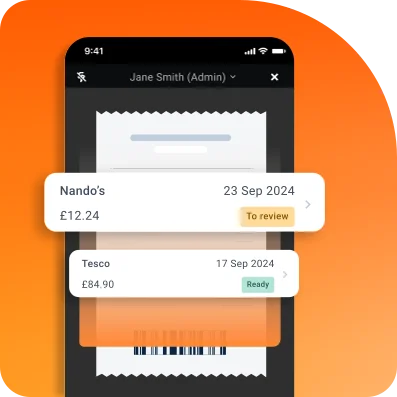
Dext also supports accountants and bookkeepers, which is one reason it is often recommended by finance professionals. If your accountant uses Dext, you may be able to give them access so they can review and manage documents more efficiently. Businesses can use the platform to capture receipts on the go, create expense and mileage claims, and respond to paperwork requests from their accountant.
The main Dext benefits are time saving, better organisation, fewer missing documents and smoother communication between business owners and accountants. However, the platform is not a full accounting system by itself. Most businesses will still use Dext alongside accounting software, payroll software, banking tools and professional advice.
For this reason, Dext is best understood as a bookkeeping workflow tool rather than a replacement for your accountant or accounts package. It helps collect and prepare financial data so that reporting, reconciliation and tax preparation can be handled more efficiently. When reviewing the Dext pros and cons, this distinction is important. The value comes from reducing admin and improving document handling, not from replacing every finance function in your business.
If you want to explore the current trial or latest Dext discount availability, you can view the latest details here: https://startupdeals.co.uk/recommends/dext
Dext Review: Is Dext Worth It for UK Businesses?
For many UK small businesses, Dext is worth considering if bookkeeping admin is becoming a regular drain on time. This dext Review is focused on practical value: whether the platform helps reduce manual work, improve expense visibility and make financial records easier to manage. In that context, Dext has a clear use case. It is most useful for businesses that regularly deal with receipts, supplier invoices, expense claims, mileage records or paperwork from multiple team members.
The strongest argument for Dext is that it helps businesses build better bookkeeping habits. Instead of storing receipts in wallets, inboxes or shared folders, users can capture documents as they go. That means financial records are less likely to be reconstructed weeks later from memory. For business owners who already find bookkeeping stressful, this can be one of the most valuable Dext benefits.
Dext can also help when multiple people in a business make purchases. A founder might buy software subscriptions, a contractor might buy materials, and an employee might claim travel expenses. Without a structured system, this information can become fragmented. Dext gives users a more consistent process for submitting, reviewing and approving costs, which may reduce confusion and back-and-forth with the finance team or accountant.
Another reason Dext may be worth it is its accounting software connectivity. Dext is designed to work alongside popular accounting tools, so documents can move from capture to processing to publishing more efficiently. This can help businesses reduce duplicated admin and improve bookkeeping consistency across different systems.
However, value depends on how much paperwork your business handles. If you only have a handful of expenses each month, you may find that your existing accounting software is enough. Dext becomes more compelling when the volume of receipts, invoices and expense claims increases, or when you want employees and accountants to follow a clearer workflow.
The Dext offer may also make it easier to test the platform before paying. Dext currently promotes a 14-day free trial, which gives businesses time to see whether the workflow suits them. As with any Dext discount or promotion, availability can change, so always check current terms before signing up.
You can view the latest Dext offer and free trial information here: https://startupdeals.co.uk/recommends/dext
Overall, Dext is worth considering for UK businesses that want to save time, reduce admin and improve bookkeeping accuracy. It is less suitable for businesses looking for a complete accounting replacement or those with very simple expense needs.
Who Is Dext For?
Dext is designed for businesses that want to reduce the amount of time spent handling receipts, invoices and expense paperwork. While almost any business can use bookkeeping automation software, Dext is particularly useful for companies that process regular expenses or work with accountants and finance teams.
For sole traders, Dext can help simplify day-to-day record keeping. Many freelancers and self-employed professionals struggle to keep receipts organised throughout the year. Instead of leaving bookkeeping until tax deadlines approach, Dext allows users to capture receipts as they spend money. This can make financial admin feel more manageable and reduce the risk of missing deductible expenses.
Startups and growing SMEs may also find Dext valuable because bookkeeping becomes more complex as teams expand. A business with several employees often needs a better process for collecting receipts, tracking spending and approving expenses. Dext gives businesses a more centralised system, helping managers and accountants monitor records more efficiently.
The platform is also suitable for service-based businesses such as agencies, consultants and contractors. These businesses often deal with travel expenses, software subscriptions, client entertainment costs and supplier invoices. Dext can help keep these records organised while reducing manual data entry.
Retailers and ecommerce businesses may benefit too, particularly when handling supplier invoices or high volumes of operational expenses. Even businesses with remote or hybrid teams can use Dext to streamline expense submissions from different locations.
Another key audience is accountants and bookkeepers. Many accounting firms recommend Dext because it helps clients submit paperwork in a more organised format. Instead of chasing missing receipts through emails or messages, accountants can review uploaded documents directly within the platform. This can improve communication and reduce delays during month-end bookkeeping or tax preparation.
One of the biggest Dext benefits is flexibility. Businesses can upload paperwork through mobile apps, desktop uploads, email forwarding and integrations with other systems. This means users are not restricted to one workflow.
However, Dext may not suit every business. Very small businesses with minimal expenses may feel they can manage manually within their accounting software. Likewise, companies looking for a complete accounting platform rather than a bookkeeping workflow tool may need additional systems alongside Dext.
For businesses handling regular expenses, invoices and employee spending, Dext can provide a more structured approach to bookkeeping. The current Dext offer, including the 14-day free trial, also gives businesses an opportunity to test the platform before committing.
You can view the latest Dext offer and trial here: https://startupdeals.co.uk/recommends/dext
Who Is Dext Applicable For?
Dext is applicable for a wide range of UK businesses, although the level of value depends on the size of the company, the number of transactions processed each month and the complexity of the bookkeeping workflow.
Freelancers and sole traders are one of the most obvious user groups. Many self-employed professionals still rely on paper receipts, spreadsheets or scattered email folders to manage expenses. Dext gives these users a simpler process for storing and categorising financial documents throughout the year. This can help reduce stress during self-assessment season and make it easier to share records with an accountant.
Limited companies can also benefit from Dext, especially when multiple people are responsible for spending. Directors, employees and contractors often submit receipts in inconsistent ways, leading to confusion and delays. Dext creates a more unified process, which can help businesses improve financial organisation and reduce time spent chasing paperwork.
The platform is also relevant for industries where staff regularly incur expenses. Construction businesses, consultants, field service companies, estate agents and sales teams often process mileage claims, travel receipts and supplier invoices. Dext can help standardise how these documents are captured and approved.

Remote businesses are another strong fit. When teams work from different locations, collecting receipts manually becomes more difficult. Dext allows users to upload documents from mobile devices, making it easier for distributed teams to maintain accurate records.
For accountants, Dext can improve client collaboration. Instead of waiting until month-end for paperwork, accountants can access uploaded records throughout the month. This can improve bookkeeping accuracy and help identify missing information earlier.
One reason many businesses explore Dext is because bookkeeping errors can become expensive over time. Missing receipts, duplicated expenses and incomplete records can create unnecessary friction during tax preparation or financial reviews. One of the major Dext benefits is helping businesses maintain cleaner records consistently rather than relying on last-minute admin.
That said, businesses should still evaluate the Dext pros and cons carefully. Dext works best when users consistently upload receipts and invoices. Businesses that rarely process expenses may not see enough value to justify the subscription cost. Similarly, companies expecting a full accounting solution may need additional tools alongside Dext.
The availability of a Dext discount or free trial can help businesses test whether the platform matches their workflow before making a longer-term decision. The current Dext offer includes a 14-day free trial, although eligibility and promotional terms may change over time.
Dext Benefits for Small Businesses
One of the biggest reasons businesses consider Dext is the potential time saving. Manual bookkeeping can consume hours every month, especially for founders already managing operations, sales and customer support. Dext is designed to reduce repetitive admin by helping businesses digitise receipts, automate expense capture and streamline bookkeeping workflows.
A major Dext benefit is improved organisation. Instead of storing receipts in physical folders, wallets or inboxes, users can keep records in one central system. This reduces the risk of losing important paperwork and makes documents easier to retrieve when needed. For businesses preparing VAT returns or tax submissions, this can save considerable time.
Another important advantage is faster expense processing. Employees can upload receipts immediately after making purchases rather than waiting until the end of the month. This can improve accuracy because expenses are recorded closer to the transaction date. It may also help businesses manage cash flow visibility more effectively.
Dext can also reduce manual data entry. Rather than typing invoice totals, supplier names and VAT amounts into accounting software manually, businesses can use Dext to extract information from uploaded documents. This helps reduce repetitive admin work and may lower the risk of human error.
Collaboration is another area where Dext performs well. Business owners, finance staff and accountants can work from the same document system rather than exchanging receipts across email threads. This can simplify bookkeeping reviews and reduce delays caused by missing information.
For growing businesses, scalability is another valuable benefit. A bookkeeping process that works for one founder may become difficult once multiple employees begin submitting expenses. Dext provides a more structured process that can grow alongside the business.
The mobile functionality is also useful for businesses with remote teams or employees travelling regularly. Users can upload receipts on the move, helping businesses maintain more up-to-date financial records.
When evaluating the Dext pros and cons, it is important to recognise that the platform’s value depends on consistent usage. Businesses that actively upload receipts and invoices throughout the month are likely to gain the most benefit. Those that continue using manual processes inconsistently may not see the same efficiency improvements.
The current Dext offer gives businesses an opportunity to test these features before committing financially. Dext currently promotes a 14-day free trial, which may help businesses decide whether the software fits their bookkeeping workflow. As with any Dext discount or promotional offer, terms are subject to change.
You can explore the latest Dext offer and available plans here: https://startupdeals.co.uk/recommends/dext
How Dext Works Step by Step
Dext is designed to make bookkeeping workflows simpler by helping businesses capture, process and organise financial documents in one place. While the platform includes a range of automation features, the overall process is straightforward enough for most small businesses to learn quickly.
The first step is setting up your Dext account and connecting it to your accounting software. Many UK businesses use Dext alongside platforms such as Xero, QuickBooks or Sage. Connecting these systems allows financial data to move more smoothly between platforms, helping reduce duplicated work and manual entry.
Once connected, users can begin uploading receipts, invoices and expense documents. One of the biggest Dext benefits is flexibility in how paperwork is submitted. Businesses can upload documents through the mobile app, email forwarding, desktop uploads or supplier integrations. This means employees and business owners can choose the method that best fits their workflow.
For example, if an employee buys train tickets for a client meeting, they can photograph the receipt immediately using the Dext mobile app. The system then scans the document and extracts important information such as the supplier name, transaction date, VAT details and total amount. This reduces the need for someone to type everything manually later.
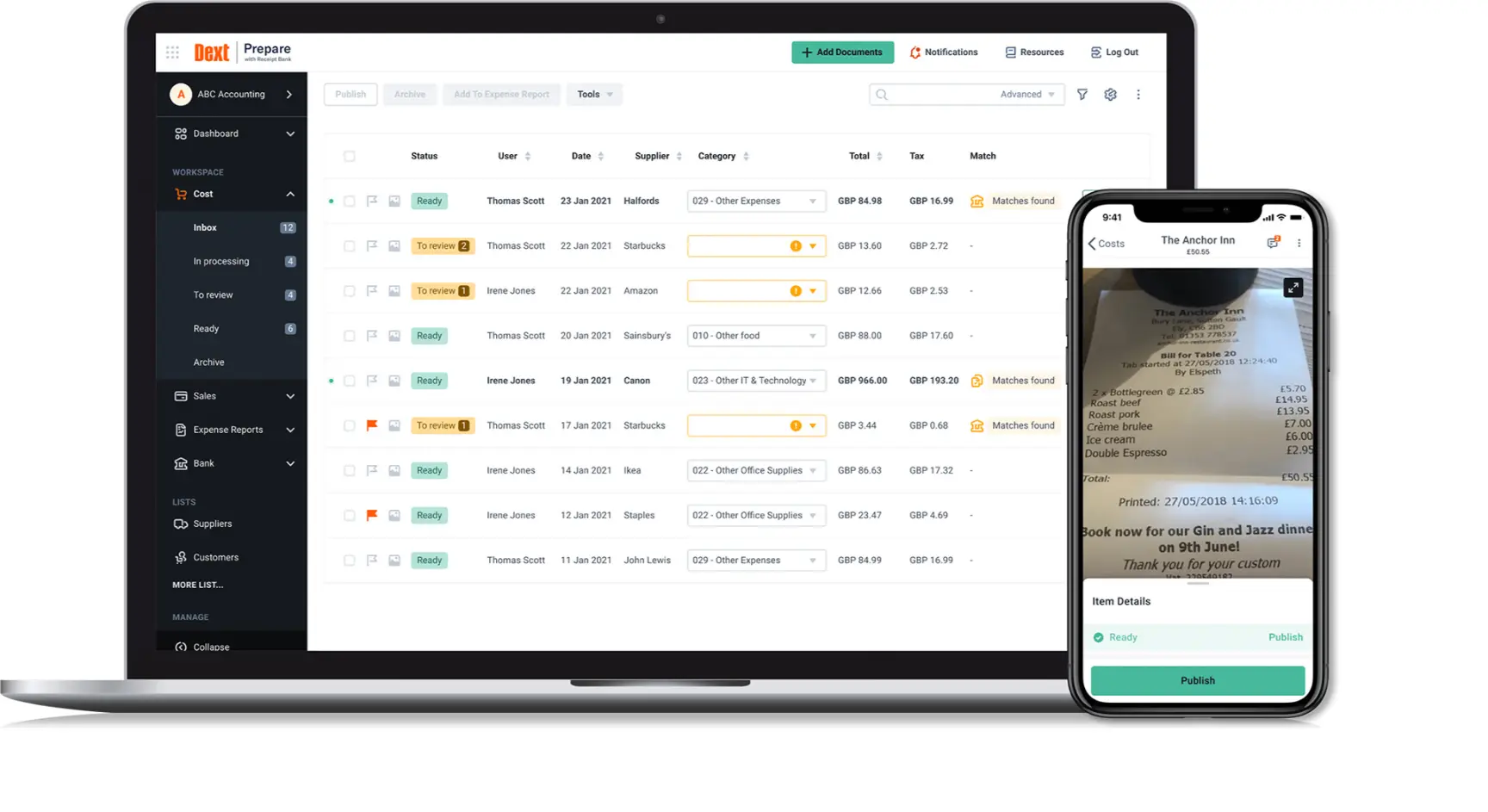
Businesses can then review and approve the extracted information before publishing it into their accounting software. This review process is important because it allows users to check categories, VAT treatment and supplier details before records become finalised. While Dext automation reduces admin, businesses should still monitor accuracy carefully.
Supplier invoices can also be uploaded and organised within the platform. This helps businesses centralise financial documents instead of storing them across inboxes and shared drives. For businesses dealing with high invoice volumes, this can improve visibility and make month-end bookkeeping more manageable.
Another useful feature is expense management. Team members can submit expenses directly through the platform, while managers or finance staff can review and approve claims. This creates a clearer process compared with chasing receipts across email chains.
For accountants, Dext can improve collaboration with clients. Instead of waiting until year-end for paperwork, accountants can review records regularly throughout the month. This can reduce bookkeeping bottlenecks and help businesses maintain more accurate financial records consistently.
The current Dext offer allows businesses to test this workflow through a 14-day free trial. This can be useful for companies that want to understand whether the automation and expense capture features fit their operational needs before paying for a subscription.
Key Dext Features Explained
Dext includes a range of bookkeeping and expense management tools designed to help businesses reduce manual admin. While many accounting platforms already include basic expense tracking, Dext focuses specifically on simplifying document capture and financial record organisation.
One of the most recognisable features is receipt capture. Users can upload receipts through the mobile app by taking a photograph directly after making a purchase. This is particularly useful for freelancers, consultants and employees who regularly incur business expenses while travelling or working remotely.
Invoice capture is another major feature. Businesses can upload supplier invoices into Dext, allowing the system to extract key information automatically. This helps reduce manual data entry and may improve bookkeeping accuracy over time. For companies processing large numbers of invoices, this can create significant time savings.
Expense management is also a core part of the platform. Employees can submit expenses digitally while managers can review and approve claims within a more structured workflow. This can help businesses standardise expense handling and reduce delays caused by missing paperwork.
Mileage tracking is another feature many small businesses may find useful. Businesses with travelling staff or client visits often need accurate mileage records for reimbursements and tax reporting. Dext helps businesses store these records alongside other financial documents.
Document storage is another important advantage. Instead of relying on physical filing systems or scattered folders, businesses can maintain digital records within the platform. This can make financial information easier to retrieve when preparing VAT returns, working with accountants or reviewing historical transactions.
Dext also integrates with accounting software, which is one of the key Dext benefits for businesses already using digital finance systems. By syncing information into accounting platforms, Dext can help reduce duplicated admin and streamline bookkeeping workflows.
For accountants and bookkeepers, client collaboration features are another strong point. Businesses can share financial records more efficiently, reducing the need for constant document requests and follow-up emails.
However, businesses should still consider the Dext pros and cons before subscribing. While the automation tools can save time, businesses still need consistent internal processes to get the best value from the software. Dext works best when users actively upload receipts and invoices throughout the month rather than leaving bookkeeping until deadlines approach.
The current Dext offer includes a 14-day free trial, giving businesses an opportunity to test the platform before committing financially. Dext discount promotions may also be available periodically depending on current offers and eligibility requirements.
You can view the latest Dext offer and pricing information here: https://startupdeals.co.uk/recommends/dext
Dext Pros and Cons
Before signing up for any bookkeeping platform, businesses should carefully weigh the Dext pros and cons to determine whether the software matches their workflow, budget and operational needs. While Dext offers several strong automation features, it may not suit every business equally.
One of the biggest advantages is time saving. Dext helps reduce manual bookkeeping by allowing users to upload receipts and invoices digitally. For busy founders and finance teams, this can significantly reduce repetitive admin tasks throughout the month.
Another major Dext benefit is improved organisation. Financial documents are stored in a more structured system rather than scattered across inboxes, spreadsheets and paper folders. This can make bookkeeping more manageable and help businesses retrieve records more easily when required.
The platform also supports collaboration well. Employees, managers and accountants can access the same financial information within one workflow. This can reduce confusion around expense claims and missing paperwork.
Mobile accessibility is another positive feature. Users can upload receipts immediately after purchases, which may improve bookkeeping accuracy and reduce the risk of losing documents. Businesses with remote teams or travelling employees may find this particularly useful.
Integration with accounting software is another strength. Businesses already using Xero, QuickBooks or Sage may benefit from smoother bookkeeping workflows when Dext is connected properly.
However, there are also limitations businesses should consider. One of the main disadvantages is cost. Businesses with very low transaction volumes may find that their accounting software already provides enough functionality without needing an additional bookkeeping tool.
Another potential drawback is the learning curve involved in changing internal processes. While Dext itself is relatively user-friendly, businesses still need employees to upload documents consistently for the system to deliver full value.
Automation is also not perfect. Users should still review extracted information carefully before publishing records into accounting software. Businesses relying entirely on automation without checks may risk errors entering their financial records.
Some businesses may also expect Dext to function as a complete accounting system, which it is not. Dext is best viewed as a bookkeeping and expense workflow platform rather than a replacement for accounting software or professional financial advice.
Overall, the Dext pros and cons depend heavily on the complexity of your bookkeeping needs. Businesses processing regular expenses and invoices are more likely to benefit from the automation features, while very small businesses with simple finances may not require a dedicated tool.
The current Dext offer provides a useful opportunity to test the platform before subscribing. Businesses can explore the 14-day free trial and check for any available Dext discount promotions before making a decision.
Dext Compared with Other Expense Management Tools
When researching bookkeeping and expense management software, many businesses compare Dext with alternatives such as Hubdoc, AutoEntry, Expensify and built-in accounting software features. The right choice often depends on the size of the business, the volume of paperwork processed and how advanced the bookkeeping workflow needs to be.
One area where Dext stands out is document capture and bookkeeping organisation. The platform is heavily focused on helping businesses digitise receipts, invoices and expense records quickly. For companies processing large numbers of financial documents each month, this workflow-first approach can be one of the main Dext benefits.
Compared with basic receipt capture tools included within some accounting platforms, Dext generally offers more dedicated expense and document management functionality. Businesses with growing teams may find this particularly useful because Dext creates a clearer process for uploading, reviewing and approving financial records.
Hubdoc is one of the most common alternatives because it also focuses on document capture and bookkeeping automation. Some businesses prefer Hubdoc due to its inclusion within certain accounting software subscriptions, while others choose Dext because of its interface, workflow features or accountant recommendations.
AutoEntry is another competitor frequently considered by accountants and SMEs. Both platforms aim to reduce manual data entry and improve bookkeeping efficiency. In practice, accountants often recommend whichever platform best fits their client workflows and preferred accounting ecosystem.
Expensify focuses more heavily on employee expense management and reimbursement workflows. Businesses primarily looking for corporate expense management may compare Expensify against Dext depending on their operational needs.
One important consideration is scalability. Businesses with only a few monthly expenses may not require a dedicated bookkeeping automation platform at all. In these cases, the subscription cost may outweigh the operational benefit. However, once invoice and expense volumes begin increasing, automation tools can become more valuable.
Another factor is collaboration. Dext is commonly used alongside accountants and bookkeepers, which can improve communication and reduce the need for manual paperwork collection. Businesses already working closely with an accountant may find that Dext integrates more naturally into their bookkeeping processes.
When evaluating the Dext pros and cons against competitors, businesses should focus on usability, workflow efficiency, integrations and pricing rather than simply comparing feature lists. A platform that fits naturally into your business processes is usually more valuable than one with additional tools you rarely use.
The current Dext offer allows businesses to test the software through a 14-day free trial before making a commitment. This can make it easier to compare Dext directly against competing platforms in real-world use.
You can explore the latest Dext offer and free trial here: https://startupdeals.co.uk/recommends/dext
Dext Offer: 14-Day Free Trial Explained
One of the main reasons businesses explore Dext is the ability to test the software before committing to a paid subscription. The current Dext offer includes a 14-day free trial, giving users the opportunity to explore the platform’s bookkeeping and expense management tools in a live business environment.
For startups, freelancers and SMEs, this trial period can be valuable because bookkeeping workflows often need testing in practice rather than simply reviewing feature lists online. Businesses can upload receipts, process invoices and connect accounting software during the trial to see whether Dext improves efficiency within their existing systems.
The Dext offer is particularly useful for businesses comparing multiple expense management tools. Rather than making an immediate financial commitment, users can evaluate how easy the platform is to use, whether employees adopt the workflow successfully and whether the automation features genuinely reduce admin.
During the trial, businesses can typically test core features such as receipt capture, invoice uploads, expense submissions and integrations with accounting software. This allows business owners to assess the practical Dext benefits before deciding whether a subscription is justified.
Eligibility requirements may vary depending on the promotion currently available. In most cases, businesses simply need to create an account and begin using the software. However, businesses should always review the latest terms and conditions before registering because promotional offers can change over time.
The current Dext offer may also be useful for accountants introducing clients to bookkeeping automation. Instead of immediately onboarding clients into a paid subscription, accountants can encourage businesses to test the platform first and evaluate whether it improves document handling and communication.
Businesses should also understand that the free trial is designed to showcase workflow improvements rather than replace accounting software entirely. Dext works best when paired with an existing accounting platform and a consistent bookkeeping process.
Another important consideration is usage consistency. Businesses that upload receipts and invoices regularly during the trial are more likely to understand the platform’s value compared with users who only test a few features casually.
As with any software trial, businesses should review pricing before the trial ends so they understand the ongoing subscription costs. A Dext discount or promotional pricing offer may occasionally be available, although availability can change.
Dext Pricing and Dext Discount Options
Pricing is one of the most important considerations when evaluating bookkeeping automation software. While Dext can save businesses time and reduce admin, companies still need to decide whether the monthly subscription cost provides sufficient operational value.
Dext typically offers different pricing tiers based on factors such as document volume, feature access and the size of the business. Smaller businesses with lower transaction volumes may choose entry-level plans, while larger companies and accounting firms often require more advanced functionality and higher usage allowances.
When reviewing pricing, businesses should avoid focusing solely on subscription cost. The real value often comes from the time saved on bookkeeping admin, receipt management and expense processing. For businesses spending several hours each month chasing paperwork or manually entering financial data, automation can potentially offset part of the software cost through improved efficiency.
Another important factor is scalability. A bookkeeping system that works for a sole trader may become inefficient once employees begin submitting expenses and invoices regularly. Dext is designed to support growing businesses by creating a more structured document workflow.
Businesses should also evaluate the Dext pros and cons relative to their transaction volume. Companies with very limited expenses each month may not need a dedicated expense management platform. In contrast, businesses processing large numbers of receipts and invoices may benefit more significantly from automation tools.
A Dext discount may occasionally be available through promotional campaigns, partner offers or accountant referrals. However, discounts and pricing structures can change over time, so businesses should always review the latest information before subscribing.
The Dext offer currently includes a 14-day free trial, which can help businesses evaluate whether the software justifies the ongoing subscription cost. This allows users to test integrations, upload workflows and bookkeeping automation features before making a financial commitment.
Businesses should also factor in indirect savings when considering pricing. Better bookkeeping organisation may reduce accounting clean-up costs, minimise missing paperwork and improve month-end efficiency. While these savings are harder to quantify directly, they can contribute to the overall value of the platform.
For many SMEs, the decision ultimately comes down to whether bookkeeping admin is becoming a recurring operational problem. If receipts, invoices and expense claims are already consuming significant time, Dext may provide worthwhile efficiency gains.
You can compare the latest plans, free trial and available Dext discount offers here: https://startupdeals.co.uk/recommends/dext
Should You Use Dext?
Whether you should use Dext depends largely on the complexity of your bookkeeping workflow and the amount of time your business currently spends handling receipts, invoices and expenses manually.
For freelancers and sole traders with minimal monthly expenses, Dext may feel like an optional convenience rather than a necessity. Many smaller businesses can manage basic bookkeeping within their accounting software if transaction volumes remain low. However, even small businesses may appreciate the organisational benefits if bookkeeping is becoming inconsistent or stressful.
For startups and growing SMEs, Dext is often more compelling. As businesses expand, expense tracking becomes harder to manage across employees, contractors and departments. Receipts may become fragmented across inboxes, phones and spreadsheets, creating unnecessary admin work for finance teams and accountants. One of the main Dext benefits is creating a more consistent process for handling financial documents.
Businesses already working with accountants may also find Dext particularly useful. The platform can improve collaboration by giving accountants access to uploaded records throughout the month instead of relying on last-minute paperwork submissions.
Another reason businesses choose Dext is to reduce repetitive admin. Uploading receipts immediately after purchases is generally more efficient than reconstructing records weeks later. Over time, this can help businesses maintain cleaner financial records and potentially reduce bookkeeping stress.
That said, businesses should still consider the Dext pros and cons carefully. Dext works best when employees and business owners actively use the system consistently. Companies expecting automation to fix disorganised internal processes without changing behaviours may not achieve the full benefit.
Cost is another factor. Businesses with simple bookkeeping needs may not generate enough efficiency gains to justify the subscription. However, for businesses processing regular invoices, expenses and supplier paperwork, the time savings may outweigh the monthly fee.
The current Dext offer provides a practical way to test the platform before committing financially. The 14-day free trial allows businesses to explore the software using real bookkeeping workflows and determine whether it improves operational efficiency.
If your business is spending too much time managing receipts, invoices and expense claims manually, Dext may be worth exploring further.
You can access the latest Dext offer and free trial here: https://startupdeals.co.uk/recommends/dext
General FAQs About Dext
What is Dext used for?
Dext is used for bookkeeping automation, receipt capture, invoice management and expense tracking. Many UK businesses use Dext to reduce manual admin and improve financial organisation.
Is Dext suitable for small businesses?
Yes, Dext is suitable for many small businesses, particularly those processing regular expenses and invoices. One of the key Dext benefits is helping SMEs streamline bookkeeping workflows.
Does Dext replace accounting software?
No, Dext does not replace accounting software. It works alongside accounting platforms to improve document capture and expense management processes.
Can freelancers use Dext?
Yes, freelancers and sole traders can use Dext to organise receipts, track expenses and simplify bookkeeping throughout the tax year.
What are the main Dext benefits?
The main Dext benefits include reduced manual data entry, improved receipt organisation, faster expense processing and better collaboration with accountants.
What accounting software does Dext work with?
Dext integrates with several popular accounting platforms commonly used by UK businesses, helping streamline bookkeeping workflows.
Is Dext good for accountants?
Yes, many accountants recommend Dext because it can improve client collaboration and reduce the amount of missing financial paperwork.
Are there any Dext pros and cons businesses should consider?
Yes, businesses should review the Dext pros and cons carefully. While the software can save time and improve organisation, businesses with very low expense volumes may not need a dedicated platform.
Does Dext include receipt scanning?
Yes, Dext allows users to upload and scan receipts digitally through its mobile app and other upload methods.
Can employees submit expenses through Dext?
Yes, employees can submit expenses and receipts digitally, helping businesses manage claims more efficiently.
Is there a Dext discount available?
A Dext discount may occasionally be available through promotional campaigns or partner offers. Availability can change depending on current promotions.
Does Dext offer a free trial?
Yes, the current Dext offer includes a 14-day free trial, allowing businesses to test the platform before subscribing.
FAQs About the Dext Offer
What is included in the current Dext offer?
The current Dext offer includes a 14-day free trial, giving businesses access to the platform’s bookkeeping and expense management features.
How long is the Dext free trial?
The Dext free trial currently lasts for 14 days, although promotional terms may change over time.
Do I need a credit card to start the Dext offer?
Requirements may vary depending on the current promotion, so businesses should always review the latest eligibility details before registering.
Is the Dext offer available for UK businesses?
Yes, the Dext offer is aimed at UK businesses, including freelancers, startups, SMEs and growing companies.
Can accountants use the Dext offer for clients?
Yes, accountants may use the Dext offer to help clients test bookkeeping automation workflows before committing to a subscription.
Does the Dext offer include all features?
Feature availability may depend on the trial structure and current promotional terms. Businesses should review the latest offer details before signing up.
Can I cancel the Dext free trial?
Businesses should review the latest terms and conditions to understand cancellation requirements and subscription policies.
Is there a Dext discount after the trial?
A Dext discount may occasionally be available through promotional offers or partner campaigns, although discounts are not always guaranteed.
Who is eligible for the Dext offer?
Eligibility requirements can vary depending on the current promotion. Businesses should check the latest terms before registering.
Is the Dext offer suitable for startups?
Yes, startups may benefit from the Dext offer because it allows teams to test bookkeeping automation without an immediate long-term commitment.
Can remote teams use the Dext offer?
Yes, remote and hybrid teams can use Dext to upload receipts and manage expenses digitally from different locations.
Does the Dext offer help reduce bookkeeping admin?
Yes, one of the main Dext benefits is helping businesses reduce repetitive bookkeeping tasks through automation and digital document capture.
Is the Dext offer subject to change?
Yes, all promotional offers, including the 14-day free trial and any Dext discount promotions, are subject to change.
Where can I access the current Dext offer?
You can access the latest Dext offer, pricing and trial information here: https://startupdeals.co.uk/recommends/dext
Recap
Dext is designed to help businesses simplify bookkeeping by improving how receipts, invoices and expenses are captured and organised. Throughout this dext Review, we have explored how the platform supports freelancers, sole traders, startups and SMEs looking to reduce repetitive financial admin and maintain more structured records.
One of the biggest Dext benefits is the ability to centralise financial paperwork within a single workflow. Instead of relying on spreadsheets, email chains or physical receipts, businesses can upload documents digitally and keep records organised throughout the year. This can make bookkeeping more manageable and improve collaboration with accountants or finance teams.
The platform is particularly useful for growing businesses where expense tracking becomes more complex as additional employees, suppliers and transactions are introduced. Dext can help standardise document handling processes while reducing manual data entry and improving bookkeeping consistency.
However, businesses should still evaluate the Dext pros and cons carefully before subscribing. Companies with very low transaction volumes may not need a dedicated bookkeeping automation platform, while businesses processing large numbers of invoices and expenses are more likely to see meaningful efficiency gains.
The current Dext offer, including the 14-day free trial, gives businesses an opportunity to test the software before committing financially. This can help users determine whether the platform improves their workflow in practice rather than relying purely on feature comparisons.
If your business is spending too much time handling receipts and expense paperwork manually, Dext may be worth exploring further.
You can view the latest Dext offer and free trial here: https://startupdeals.co.uk/recommends/dext
Conclusion
For UK businesses looking to reduce bookkeeping admin, improve expense tracking and organise financial records more efficiently, Dext is a strong option worth considering. This dext Review highlights that the platform is particularly well suited to freelancers, startups, SMEs and growing businesses handling regular receipts, invoices and employee expenses.
One of the platform’s biggest strengths is its focus on workflow efficiency. Rather than replacing accounting software entirely, Dext works alongside existing systems to simplify how financial documents are captured and processed. For many businesses, this can help reduce repetitive admin and improve bookkeeping consistency throughout the year.
The Dext benefits become more noticeable as businesses grow. Companies with multiple employees, regular supplier invoices or increasing expense claims are likely to gain more value from automation tools compared with businesses handling only occasional transactions. Improved collaboration with accountants and finance teams is another reason many businesses choose Dext.
At the same time, businesses should still weigh the Dext pros and cons carefully. Subscription costs, internal adoption and transaction volume all influence whether the software provides good long-term value. Smaller businesses with simple bookkeeping requirements may decide their accounting software already provides enough functionality.
The current Dext offer helps reduce the risk of testing the platform because businesses can explore the software through a 14-day free trial before committing financially. As with any Dext discount or promotional offer, eligibility and availability are subject to change.
Overall, Dext is a practical bookkeeping automation platform for businesses that want to spend less time chasing receipts, processing expenses and managing paperwork manually.
Latest posts:
- Zempler Bank Review 2026: Is It Good Value for UK Startups?
 Introduction Zempler Bank offers a genuine UK business bank account from £0 per month, with app and online banking, Post Office cash deposits and built-in tools for invoicing, receipts and… Read more: Zempler Bank Review 2026: Is It Good Value for UK Startups?
 - Hoxton Mix vs Virtually There: Which Virtual Office Service Is Better?
 Introduction If you’re comparing Hoxton Mix vs Virtually There, you’re likely searching for a virtual office provider that offers the right balance of professionalism, affordability, and flexibility. Whether you’re launching… Read more: Hoxton Mix vs Virtually There: Which Virtual Office Service Is Better?
 - Hoxton Mix vs Icon Offices: Which Virtual Office Is Better?
 Introduction Choosing a virtual office provider can have a significant impact on how your business is perceived, how you manage your mail, and even how effectively you maintain privacy as… Read more: Hoxton Mix vs Icon Offices: Which Virtual Office Is Better?
 - 7 Powerful Benefits of Using a Hoxton Mix Virtual Office Address
 Introduction For startups, freelancers, sole traders and growing SMEs, establishing a professional business presence can be challenging. Renting physical office space in London is often expensive, particularly during the early… Read more: 7 Powerful Benefits of Using a Hoxton Mix Virtual Office Address
 - Hoxton Mix Review: Features, Pricing, Pros and Cons Explained
 Introduction If you’re searching for an honest and detailed hoxton mix review, you’re likely comparing virtual office providers and trying to decide whether Hoxton Mix offers good value for your… Read more: Hoxton Mix Review: Features, Pricing, Pros and Cons Explained
 - Hoxton Mix Virtual Office Discount: Save 10% on Your First 12 Months
 Introduction If you’re looking for a professional London business address without the cost of renting physical office space, a Hoxton Mix Virtual Office discount could help you reduce your startup… Read more: Hoxton Mix Virtual Office Discount: Save 10% on Your First 12 Months
 - Tide Referral Code 2026: Powerful Guide to Claim £200 Cashback with STARTUP200
 Introduction If you’re looking for a Tide referral code in 2026, you’re probably searching for the best possible deal before opening a business account. Whether you’re a sole trader, freelancer,… Read more: Tide Referral Code 2026: Powerful Guide to Claim £200 Cashback with STARTUP200
 - Tide vs High Street Banks: Powerful 2026 Review
 Introduction Choosing the right business banking solution is one of the most important decisions a UK business owner can make. Whether you’re a sole trader, freelancer, contractor, startup founder, or… Read more: Tide vs High Street Banks: Powerful 2026 Review
 - Tide Business Account for Tradespeople | Powerful Guide 2026
 Introduction Running a trade business involves much more than completing jobs and keeping customers happy. Whether you’re a plumber, electrician, builder, carpenter, roofer, landscaper, painter, heating engineer, or general contractor,… Read more: Tide Business Account for Tradespeople | Powerful Guide 2026