
Introduction
Choosing between ANNA vs Tide can feel difficult when both providers are built around modern UK businesses, simple app-based banking, and tools designed to help founders manage money more efficiently. For many startups, sole traders, freelancers, and small business owners, the right business account is not just somewhere to receive payments. It can shape how easily you send invoices, track expenses, manage cash flow, prepare for tax, and keep your business finances separate from your personal money.
This guide is written for UK founders who want a practical, honest, and easy-to-follow ANNA vs Tide business account comparison before opening an account. Rather than only looking at headline features, we will compare how each option works for everyday startup needs, including app experience, fees, invoicing, bookkeeping support, accounting integrations, savings features, customer support, and promotional offers.
Both ANNA and Tide are popular with early-stage businesses because they remove much of the friction associated with traditional business banking. You can apply online, manage your account from your phone, and access tools that are particularly useful when you are still building your admin systems. However, the best choice depends on how your business operates. Some founders may prefer ANNA’s admin-focused approach, especially if invoicing, tax estimates, and bookkeeping support are priorities. Others may find Tide more suitable because of its wider business finance ecosystem, cashback offer, business savings options, and broader startup support.
If you are ready to compare your options, you can explore ANNA here or Tide here. Offers, eligibility criteria, and account features may change, so always check the latest terms before applying.
This Tide vs ANNA comparison will help you understand where each provider performs well, where there are trade-offs, and which business account may be better suited to your stage of growth. By the end, you should have a clearer view of the ANNA vs Tide features comparison and whether ANNA or Tide is the stronger fit for your startup, freelance business, limited company, or side hustle in 2026.
Contents:
- What Are ANNA and Tide?
- Who Is ANNA vs Tide Applicable For?
- ANNA vs Tide Business Account: Quick Overview
- Key Benefits of Using ANNA or Tide
- ANNA vs Tide Features Comparison
- Tide vs ANNA Business Banking Fees
- Invoicing, Bookkeeping and Tax Tools
- Step-by-Step: How to Choose Between ANNA and Tide
- ANNA and Tide Promotional Offers
- Pros and Cons of ANNA and Tide
- Which Business Account Is Better for UK Startups?
- General FAQs
- Offer FAQs
- Recap
- Conclusion
What Are ANNA and Tide?
ANNA and Tide are two well-known UK business account providers designed for people who want a faster, more flexible way to manage business finances. They are often compared because they both focus on small businesses, sole traders, freelancers, startups, and limited companies that want digital-first banking without the complexity of a traditional high street business account.
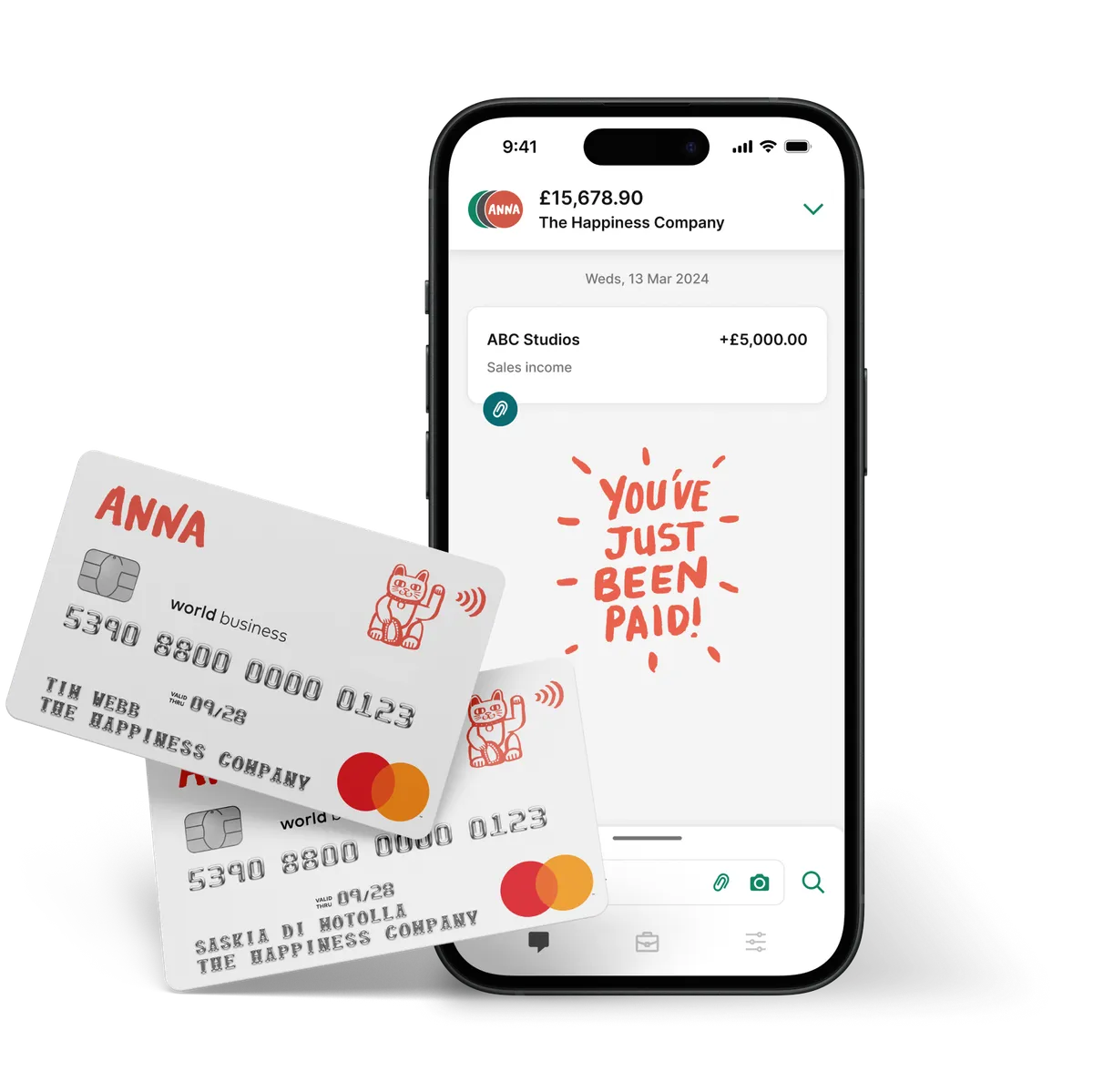
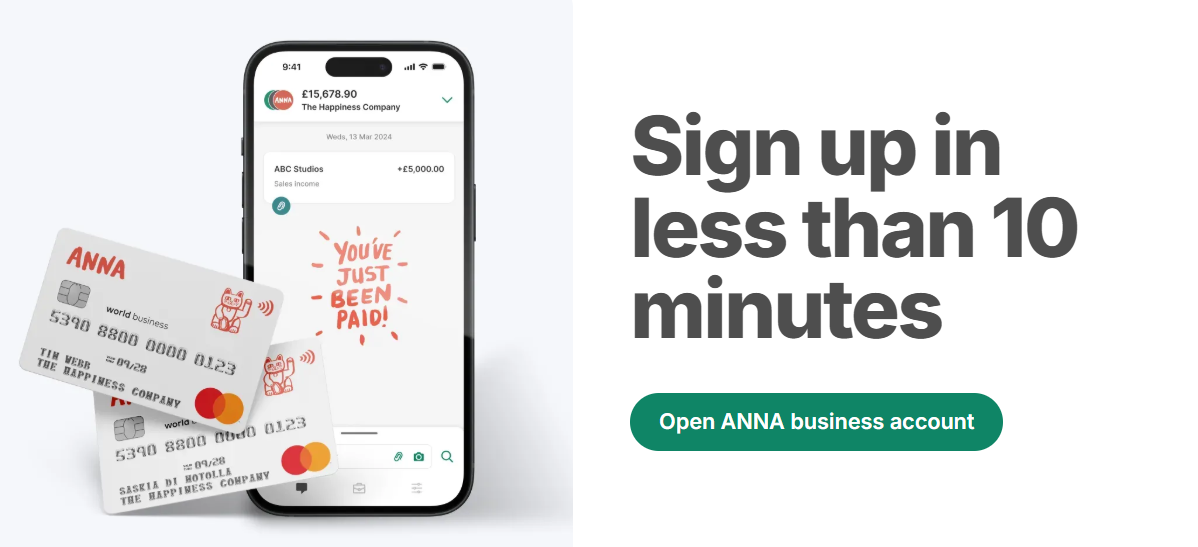
ANNA stands for “Absolutely No Nonsense Admin”, which gives a clear clue about its positioning. ANNA is not just trying to be a business account. It is designed to help business owners stay on top of admin, invoices, payments, expenses, and tax-related tasks. This makes it appealing for founders who want their account to do more than simply hold money. In an ANNA vs Tide business account comparison, ANNA often stands out for businesses that want built-in admin support and a simpler way to manage day-to-day financial paperwork.
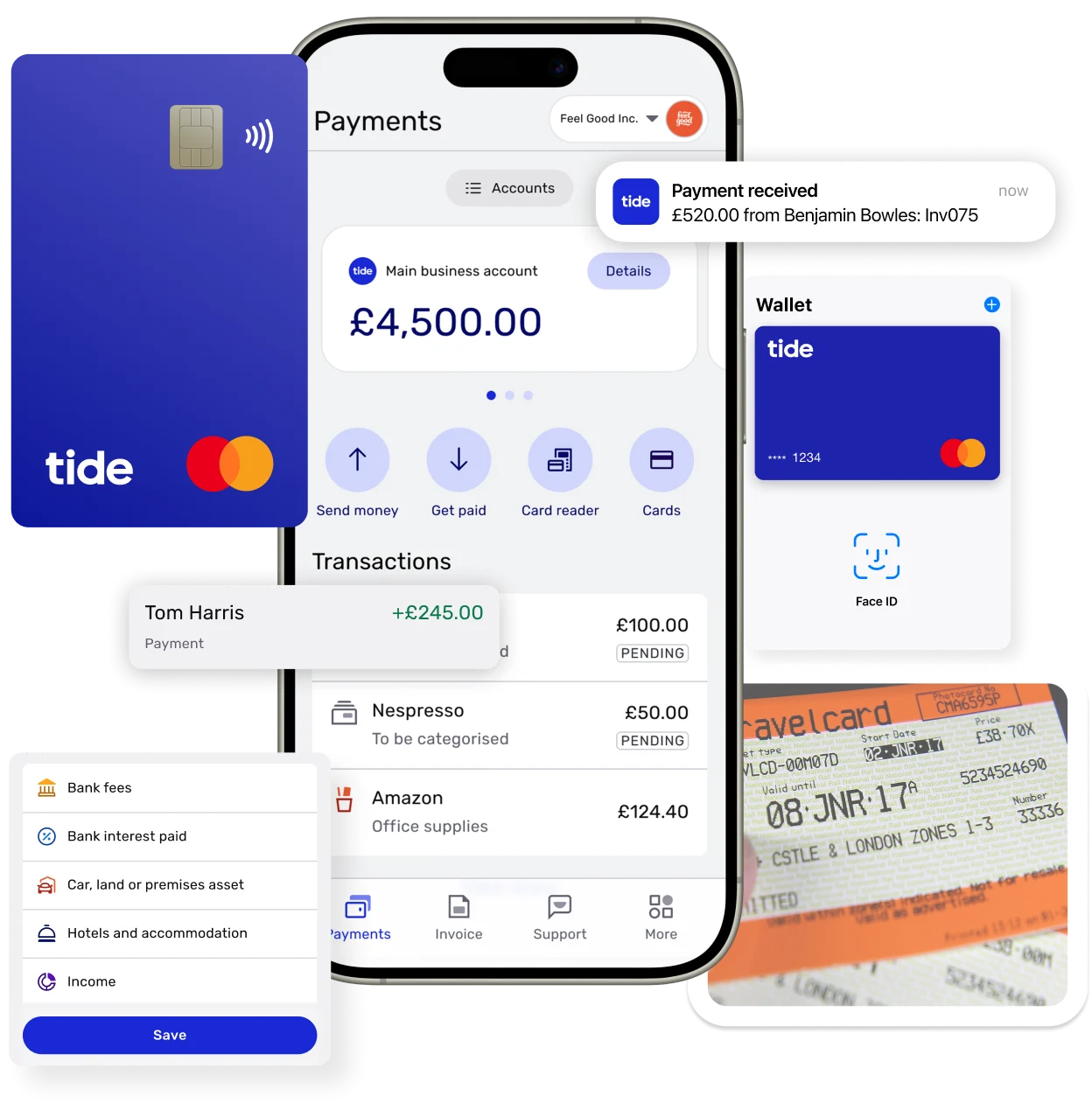
Tide is also built for UK businesses, but its positioning is slightly broader. Tide offers business current accounts, payment features, invoicing support, expense cards, business savings options, and other tools that can help founders manage and grow their company. Tide has become particularly popular with startups because it offers a simple account opening journey and a business finance platform that can support different stages of growth.
The key point in this Tide vs ANNA business banking comparison is that both providers are built for modern businesses, but they are not identical. ANNA leans heavily into admin, invoicing, tax support, and simplicity. Tide leans into business banking, account flexibility, savings, startup tools, and wider financial services. For a freelancer sending regular invoices, ANNA may feel especially useful. For a limited company looking for a broader business account with potential cashback and savings features, Tide may be attractive.
This is why a direct Tide vs ANNA comparison is useful. The best provider is not necessarily the one with the longest list of features. It is the one that matches how your business operates. A startup that needs quick account access, expense tracking, and a cashback offer may reach a different conclusion from a freelancer who wants automated invoice chasing and admin reminders.
When reviewing ANNA and Tide, it is also important to understand that neither should be judged only by marketing claims. You need to look at the practical details: monthly fees, transaction costs, account limits, app usability, customer service, integrations, eligibility, and whether the features actually save you time. This ANNA vs Tide features comparison is designed to help you make that decision clearly.
Who Is ANNA vs Tide Applicable For?
The ANNA vs Tide decision is most relevant for UK business owners who want a simple, digital-first account rather than a traditional branch-based business bank account. This includes sole traders, freelancers, consultants, ecommerce sellers, contractors, tradespeople, creators, limited company directors, and early-stage startup founders. If you are setting up a business in 2026 and want to separate your personal and business finances, both ANNA and Tide are realistic options to consider.
For sole traders, the ANNA vs Tide business account choice often comes down to admin style. Sole traders usually need a straightforward place to receive client payments, pay expenses, track income, and prepare for tax. ANNA may appeal if you want help with invoices, reminders, and bookkeeping-style features. Tide may appeal if you want a wider business banking platform, expense management, and access to a promotional cashback offer where eligible.
For freelancers, the Tide vs ANNA business banking comparison is especially important because freelancers often rely on fast invoicing and clear payment tracking. A freelance designer, copywriter, developer, consultant, photographer, or marketer may care less about complex finance tools and more about whether the app saves time each week. ANNA’s admin-led approach can be useful here, while Tide’s simple business account structure may suit freelancers who want a clean account with room to add extra tools later.
For limited companies, the decision can be slightly different. Limited company directors usually need clean records, a dedicated business account, professional payment details, expense tracking, and compatibility with accounting software. Tide may be attractive for company directors who want a scalable business account and the possibility of earning up to £200 cashback when meeting the relevant conditions. ANNA may still be a strong option for directors who want more help managing invoices, tax estimates, and admin from one place.
Startups should think carefully about how their account will support the first 12–24 months of trading. If you expect to issue invoices, chase payments, manage multiple expenses, and keep admin lean, ANNA could be a good fit. If you want a wider platform with business current account features, savings options, and startup-focused offers, Tide may be better suited.
This Tide vs ANNA comparison is also useful for side hustles preparing to become full-time businesses. Even if your income is modest at first, having a separate business account can make bookkeeping easier and help you look more professional. The right choice depends on whether you value admin automation, account flexibility, promotional value, or broader business finance tools most.
ANNA vs Tide Business Account: Quick Overview
When comparing ANNA vs Tide, it helps to start with a broad overview of how each business account is positioned and what type of founder is most likely to benefit from each platform. While both are designed for UK startups and small businesses, they focus on slightly different priorities, which can make a significant difference depending on how you manage your business finances.
ANNA is designed around reducing admin and simplifying financial management for small business owners. Its strongest selling points include invoicing, payment reminders, receipt capture, expense categorisation, bookkeeping support, and tax-related tools that help founders stay organised. For sole traders and freelancers who spend too much time chasing invoices or sorting receipts, ANNA’s approach can feel particularly useful. The platform is clearly aimed at business owners who want financial admin to take up as little time as possible.
Tide takes a broader business banking approach. While it also includes invoicing tools and expense management features, Tide positions itself more as a complete business finance platform. In addition to business accounts, Tide offers savings products, expense cards, integrated accounting support, and startup-focused financial tools. This broader ecosystem is one reason why Tide continues to grow among UK startups and limited companies.
In a Tide vs ANNA business banking comparison, both providers perform well when it comes to account setup speed and ease of use. Applications are completed online, mobile apps are central to the experience, and founders can avoid many of the delays associated with traditional high street business banking. This makes both options appealing for newly registered companies and side hustles moving into full-time trading.
The difference often comes down to workflow preferences. ANNA tends to appeal to founders who want automation around invoicing and admin. Tide may appeal more to businesses looking for flexibility, scalable banking features, and access to promotional offers. Tide’s current offer allows eligible users to earn up to £200 cashback when conditions are met. Subject to eligibility and change, this includes spending requirements and savings balance conditions linked to the Tide Instant Saver account.
Another important area in the ANNA vs Tide business account discussion is pricing structure. Neither provider follows the same fee model as a traditional bank. Instead, they offer app-based accounts with varying transaction charges, upgrade plans, and additional feature costs. Some businesses may prefer ANNA’s admin-focused value proposition, while others may feel Tide delivers better flexibility for growing teams.
The ANNA vs Tide features comparison also highlights differences in how each provider supports scaling businesses. ANNA focuses heavily on helping founders stay organised and compliant. Tide focuses more on banking functionality and business finance tools that can expand with the company over time.
For many startups, there is no universally “best” option. The right choice depends on whether your biggest priority is admin efficiency, flexible banking, accounting support, cashback opportunities, or scalability. Understanding those priorities early makes the Tide vs ANNA comparison far easier and can help prevent switching business accounts later.
Key Benefits of Using ANNA or Tide
One reason the ANNA vs Tide comparison has become increasingly popular among UK startups is that both providers solve problems that many traditional business banks still struggle with. Founders today expect faster onboarding, cleaner mobile apps, simplified admin, and tools that reduce the amount of manual financial work required each week. Both ANNA and Tide deliver many of these benefits, although they approach them differently.
One of the biggest advantages of both providers is speed and convenience. Opening a traditional business bank account can sometimes involve paperwork, branch appointments, and lengthy approval processes. In contrast, both ANNA and Tide allow businesses to apply online and manage their accounts digitally. This can be especially valuable for startups that need to begin trading quickly after company formation.
Another major benefit highlighted in this Tide vs ANNA business banking review is financial organisation. Keeping business and personal finances separate is important for tax reporting, bookkeeping accuracy, and professionalism. Both providers make it easier to separate transactions, monitor expenses, and track incoming payments through app-based dashboards.
ANNA stands out particularly well when it comes to reducing admin workload. Features such as invoice creation, automatic payment reminders, receipt scanning, and expense categorisation can save founders a significant amount of time. For freelancers and sole traders who manage finances themselves, these tools may help reduce stress around invoicing and tax preparation.
Tide’s strengths are slightly different. In the ANNA vs Tide business account comparison, Tide often performs well for businesses that want a broader financial ecosystem. Tide offers business savings features, integrated expense cards, accounting software compatibility, and scalable tools that may suit growing limited companies. Tide also appeals to startups because of its promotional offer structure, including the opportunity for eligible businesses to earn up to £200 cashback.
Another advantage of both platforms is app usability. Mobile-first banking is now essential for many founders who work remotely or manage finances on the move. Both ANNA and Tide provide modern interfaces that allow users to send payments, review transactions, create invoices, and monitor business activity without needing desktop banking.
The ANNA vs Tide features comparison also shows that both providers integrate with accounting software commonly used by UK businesses. This can reduce bookkeeping errors and simplify tax preparation. For startups with limited admin support, automation can become one of the most valuable benefits of choosing a modern business account.
Customer experience is another area where digital providers often outperform older banks. While experiences vary, many founders prefer app-based communication, instant notifications, and quicker onboarding processes compared with traditional banking systems.
Ultimately, the benefits of ANNA and Tide depend on your business priorities. If you value admin automation, invoicing support, and simplicity, ANNA may feel more aligned with your workflow. If you prefer broader business banking tools, savings functionality, and startup-oriented account features, Tide may be more attractive. This is why a proper Tide vs ANNA comparison matters before opening an account.
ANNA vs Tide Features Comparison
The ANNA vs Tide features comparison is one of the most important parts of choosing the right business account because both platforms focus heavily on digital tools rather than traditional branch banking. While they share several similarities, the overall experience and feature priorities can feel very different depending on how you run your business.
ANNA’s feature set is built around simplifying financial admin for small businesses. One of its strongest areas is invoicing. Users can create branded invoices, send payment reminders automatically, and track unpaid invoices directly from the app. For freelancers and service-based businesses, this can save considerable time compared with manually chasing clients for payments.
Another area where ANNA performs well is expense management. Receipt capture and automatic expense categorisation help businesses keep cleaner financial records without needing additional admin software. In many ANNA vs Tide business account discussions, founders highlight how useful these automation tools are when preparing for tax returns or bookkeeping reviews.
ANNA also includes tax-related support features that estimate how much tax may need to be set aside based on business activity. While this is not a replacement for professional accounting advice, it can help newer business owners avoid unexpected tax surprises. This focus on reducing admin is one reason why ANNA appeals strongly to sole traders and freelancers.
Tide takes a broader approach to business banking functionality. While it also offers invoicing and expense tracking, Tide’s wider ecosystem is often seen as more scalable for growing businesses. Tide supports expense cards for team members, integrates with accounting software, and offers business savings functionality that may appeal to companies managing larger cash balances.
In the Tide vs ANNA business banking comparison, Tide also stands out because of its additional financial products and startup support features. Businesses looking for a more traditional banking-style experience combined with modern app usability may prefer Tide’s structure.
Another major difference in the ANNA vs Tide features comparison is scalability. ANNA feels highly optimised for solo founders, consultants, contractors, and small teams focused on admin simplicity. Tide may suit businesses expecting team growth, higher transaction volumes, or more complex operational requirements over time.
Both providers offer app-based banking experiences with payment notifications, transaction monitoring, and accounting integrations. Both also support UK businesses that want faster onboarding and simpler finance management than traditional banks often provide.
Customer support experiences can vary, but both platforms rely heavily on digital communication rather than branch support. Businesses comfortable managing everything online are unlikely to find this a problem. However, founders who prefer face-to-face banking may find either provider less suitable than a traditional bank.
The Tide vs ANNA comparison ultimately comes down to priorities. If your main focus is reducing admin, simplifying invoicing, and automating everyday financial tasks, ANNA may be the better fit. If you want broader banking functionality, savings tools, and scalability as your startup grows, Tide may offer better long-term flexibility.
Tide vs ANNA Business Banking Fees
Fees are one of the most important considerations in any ANNA vs Tide business account comparison because pricing structures can affect startups differently depending on transaction volume, payment habits, and how often additional banking features are used.
Neither ANNA nor Tide operates exactly like a traditional high street business bank. Instead, both use app-based pricing models that combine free or entry-level accounts with paid upgrades and transaction-related charges. This means businesses should look beyond the headline “free account” messaging and understand how everyday usage may affect overall costs.
ANNA’s pricing is often positioned around the value of its admin features. Businesses are not only paying for banking access but also for invoicing tools, bookkeeping support, receipt capture, and tax-related functionality. For sole traders and freelancers who would otherwise pay separately for invoicing software or admin tools, this bundled approach may represent good value.
However, businesses should review ANNA’s transaction fees, cash deposit costs, international payment charges, and any upgrade plan pricing before opening an account. Depending on usage patterns, costs can increase if a business processes large payment volumes or regularly uses premium features.
In this Tide vs ANNA business banking comparison, Tide is often viewed as slightly more flexible when it comes to account plans. Tide offers different tiers aimed at businesses of varying sizes, from newer startups to growing companies requiring additional features. Businesses can choose plans based on transaction needs, team size, and operational complexity.
Tide’s transaction structure also means businesses should carefully assess expected usage. Transfer fees, ATM withdrawals, cash deposits, and additional services may all contribute to monthly costs depending on how actively the account is used. Startups that operate mostly digitally may find these costs manageable, while cash-heavy businesses may need to review charges more carefully.
One important factor in the ANNA vs Tide business account discussion is value rather than simply headline cost. A provider with slightly higher fees may still save businesses money overall if automation tools reduce admin time or remove the need for extra software subscriptions.
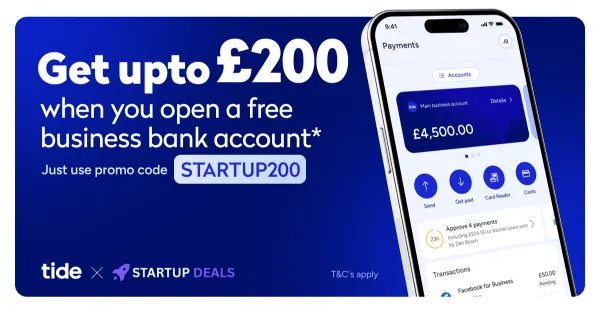
Tide’s promotional offer may also influence the calculation for some founders. Eligible users may be able to earn up to £200 cashback through the current offer structure. The offer includes spending requirements and savings conditions tied to the Tide Instant Saver account. Specifically, businesses must use the code STARTUP200 when registering and opening their Tide account. Users must spend £100 on their Tide card within the first 30 days to unlock the initial £75 cashback reward. Businesses may then qualify for an additional £125 reward by depositing at least £5,000 into a Tide Instant Saver account within seven days and maintaining that balance for one month. Offers remain subject to eligibility and may change.
Businesses comparing fees should also consider hidden operational costs such as time spent on bookkeeping, invoice chasing, and expense management. In some cases, ANNA’s automation tools may reduce admin burden enough to justify the pricing structure. In other cases, Tide’s wider banking ecosystem may provide better value for scaling businesses.
The right choice depends on how your business handles payments, expenses, cash flow, and financial administration. This is why the ANNA vs Tide features comparison should always be reviewed alongside pricing rather than in isolation.
Invoicing, Bookkeeping and Tax Tools
For many small business owners, the most valuable part of a business account is not necessarily the banking itself. It is the ability to reduce admin, stay organised, and simplify tax preparation. This is where the ANNA vs Tide comparison becomes especially important because both providers include tools designed to help founders manage everyday financial tasks more efficiently.
ANNA has built much of its reputation around financial admin automation. In the ANNA vs Tide business account discussion, ANNA is frequently recognised for helping sole traders and freelancers spend less time managing invoices and receipts manually. The platform allows users to create invoices directly from the app, track payment statuses, and send automatic reminders to late-paying clients.
For freelancers and service-based businesses, invoice automation can make a meaningful difference to cash flow. Instead of manually following up unpaid invoices, ANNA helps automate part of the process. This is particularly useful for startups that do not yet have dedicated finance staff or bookkeeping support.
Receipt management is another major strength in the ANNA vs Tide features comparison. Users can upload or photograph receipts directly within the app, helping to keep expense records organised. ANNA also categorises many expenses automatically, which may reduce bookkeeping workload and make tax preparation easier later in the financial year.
Another area where ANNA stands out is tax estimation support. The app can provide guidance around estimated tax liabilities based on transaction activity. While this should not replace professional accounting advice, it may help new business owners avoid underestimating future tax bills.

Tide also offers invoicing and expense management features, although its positioning is slightly broader than ANNA’s admin-focused model. Tide supports invoice generation, payment tracking, and accounting integrations that help businesses manage financial records more effectively. In the Tide vs ANNA business banking comparison, Tide is often viewed as stronger for businesses that want broader banking capabilities alongside bookkeeping support.
One of Tide’s advantages is integration flexibility. Many startups already use accounting software such as Xero, QuickBooks, or FreeAgent. Tide’s compatibility with popular accounting tools can simplify reconciliation and reduce manual bookkeeping errors. This becomes increasingly important as transaction volumes grow and businesses begin scaling.
The Tide vs ANNA comparison also highlights differences in business complexity. ANNA’s admin tools are particularly attractive for freelancers, sole traders, and smaller businesses managing finances independently. Tide may appeal more to businesses that already use accountants or external bookkeeping systems but still want integrated digital banking support.
Both providers aim to reduce the friction associated with managing business finances. Notifications, transaction categorisation, app-based monitoring, and accounting integrations all help businesses maintain cleaner financial records throughout the year.
Ultimately, the best option depends on how your business operates. If reducing admin time and automating invoicing is your biggest priority, ANNA may deliver more value. If you want broader banking flexibility alongside accounting integrations and scalable financial tools, Tide may be the stronger long-term option in this ANNA vs Tide business account comparison.
Step-by-Step: How to Choose Between ANNA and Tide
Choosing between ANNA vs Tide becomes much easier when you break the decision down into practical business needs rather than marketing claims. Both providers offer modern digital business accounts, but the right choice depends on how your business operates, how you manage admin, and what features matter most day to day.
The first step is understanding what type of business you run. Sole traders, freelancers, and consultants often prioritise simplicity, invoicing, and admin reduction. If that sounds like your business, ANNA may feel particularly attractive because many of its strongest features focus on automating admin tasks such as invoices, receipt capture, and expense categorisation.
Limited companies and growing startups may have slightly different priorities. Businesses expecting to manage larger transaction volumes, multiple team members, or more advanced banking needs may lean toward Tide because of its broader business banking ecosystem. In the Tide vs ANNA business banking comparison, Tide is often viewed as more scalable for businesses planning long-term growth.
The second step is reviewing how you manage bookkeeping and tax. If you currently spend too much time sorting receipts, chasing invoices, or manually tracking expenses, ANNA’s automation tools may save valuable time each month. Businesses already using accounting software or external accountants may prefer Tide’s broader integrations and banking flexibility instead.
The third step is reviewing your expected banking activity. Businesses that rely heavily on digital payments and app-based banking may be comfortable with either provider. However, companies handling regular cash deposits or more complex financial workflows should review fee structures carefully before deciding.
Pricing should also be part of the decision-making process. In the ANNA vs Tide business account comparison, both providers use modern fee structures rather than traditional banking models. This means founders should examine transaction costs, subscription plans, cash deposit fees, transfer charges, and premium feature pricing rather than focusing only on whether the account is labelled “free”.
The fourth step is reviewing additional incentives and offers. Tide currently offers eligible users the opportunity to earn up to £200 cashback through its startup promotion. To qualify, businesses must use the code STARTUP200 when registering and opening their account. Users must spend £100 on their Tide card within the first 30 days to receive the initial cashback reward. An additional reward may be available for users who deposit at least £5,000 into a Tide Instant Saver account within seven days and maintain the balance for one month. Offers remain subject to eligibility and change.
If you want to compare your options directly, you can review ANNA here: https://startupdeals.co.uk/recommends/anna-money-business-current-account and Tide here: https://startupdeals.co.uk/recommends/tide-business-current-account.
Finally, consider how you prefer to work as a founder. Some business owners value automation and admin simplicity above everything else. Others prioritise scalability, financial flexibility, and broader banking functionality. The ANNA vs Tide features comparison matters because the best account is not necessarily the one with the longest feature list. It is the one that fits your workflow and supports your business growth most effectively.
ANNA and Tide Promotional Offers
For many startups and small businesses, promotional offers can make a business account more attractive during the early stages of trading. While features, fees, and usability remain the most important factors in the ANNA vs Tide comparison, signup incentives and trial offers may still influence which provider delivers better short-term value.
ANNA currently promotes a free 30-day trial for its ANNA +Taxes service, giving eligible users access to additional admin and tax-focused functionality. This trial is designed for business owners who want more support managing bookkeeping, expenses, invoices, and tax preparation from one platform. For freelancers and sole traders who handle their own admin, the ANNA +Taxes tools may help simplify financial management and reduce time spent on paperwork.
The ANNA +Taxes free trial can be particularly useful for businesses that are still developing their financial systems. Instead of relying on multiple separate tools for invoicing, expense tracking, and tax estimates, ANNA combines many of these functions within its app ecosystem. Businesses considering ANNA should still review any subscription pricing that may apply after the trial period ends, as features and plan structures can change over time.
In the ANNA vs Tide business account comparison, Tide’s promotional structure is currently more heavily focused on cashback incentives. Tide offers eligible users the opportunity to earn up to £200 cashback through its startup promotion. This offer is especially popular with new limited companies and startups looking to offset some early operating costs.
To qualify for the Tide cashback promotion, businesses must use the code STARTUP200 when registering their company and opening a Tide account. Users must then spend at least £100 using their Tide card within the first 30 days to unlock the initial £75 cashback reward.
An additional £125 reward may be available through Tide’s Instant Saver offer. To qualify, businesses must deposit at least £5,000 into their Tide Instant Saver account within seven days of opening the account and maintain that balance for a minimum of one month.
This Tide vs ANNA business banking comparison highlights an important difference in promotional strategy. ANNA’s offer focuses more on software functionality and admin support, while Tide’s promotion is structured around direct cashback rewards linked to account activity and savings balances.
Businesses should carefully assess eligibility conditions before applying for either offer. Cashback promotions often include spending requirements, timing conditions, or balance maintenance rules that may not suit every startup. Likewise, software trial offers may convert into paid subscriptions after the introductory period ends.
If you want to review the latest offers directly, you can compare ANNA here: https://startupdeals.co.uk/recommends/anna-money-business-current-account and Tide here: https://startupdeals.co.uk/recommends/tide-business-current-account.
As always, offers, pricing structures, and eligibility criteria remain subject to change, so businesses should review current terms and conditions before opening an account.
Pros and Cons of ANNA and Tide
Every business account comes with trade-offs, which is why reviewing both the strengths and limitations of each provider is important before deciding between ANNA vs Tide. While both platforms are strong options for UK startups, freelancers, and small businesses, the better choice depends heavily on your workflow, business structure, and financial priorities.
One of ANNA’s biggest strengths is simplicity. The platform is clearly designed for founders who want less financial admin and more automation. Invoice generation, payment reminders, receipt scanning, and expense categorisation are all integrated directly into the app experience. For freelancers and sole traders managing finances independently, this can significantly reduce manual admin work.
Another advantage in the ANNA vs Tide business account comparison is ANNA’s tax-focused support tools. Estimated tax calculations and bookkeeping-style automation can help business owners stay organised throughout the year rather than scrambling during tax season.
However, ANNA may feel more focused on admin efficiency than broader banking flexibility. Businesses expecting rapid growth, multiple team members, or more advanced banking requirements may eventually want additional financial services beyond ANNA’s core strengths.
Tide’s advantages are slightly different. In the Tide vs ANNA business banking comparison, Tide often appeals to startups that want broader business banking functionality combined with app-based convenience. Tide supports business savings products, accounting integrations, expense management tools, and scalable account structures designed to grow alongside the company.
Tide’s cashback offer is another attractive feature for eligible businesses. Startups opening a new account may value the opportunity to earn up to £200 cashback through the current promotional structure, particularly during the early stages of trading when every financial incentive can help.
Scalability is also a key strength for Tide. Businesses planning to expand operations, add team members, or increase transaction volumes may prefer Tide’s wider ecosystem compared with ANNA’s more admin-focused positioning.
That said, Tide is not automatically the better option for every founder. Businesses primarily focused on invoicing, admin automation, and tax organisation may still prefer ANNA’s cleaner workflow. Similarly, founders who value simplicity over broader banking functionality may find ANNA easier to manage day to day.
Both providers also rely heavily on digital support rather than branch-based banking. While many startups are comfortable with app-first banking, businesses that prefer in-person support may find both options less suitable than traditional high street banks.
The ANNA vs Tide features comparison ultimately shows that there is no universal winner. ANNA performs especially well for founders prioritising admin reduction and invoicing automation. Tide performs strongly for startups seeking broader banking flexibility, cashback opportunities, and scalable financial tools.
Understanding your business priorities before applying is the best way to avoid choosing the wrong account. The right provider should save time, improve organisation, and support your business growth rather than simply offering the lowest headline fee.businesses.
Which Business Account Is Better for UK Startups?
Deciding which provider wins in the ANNA vs Tide comparison ultimately depends on what your startup values most during its early stages of growth. Both platforms are designed for modern UK businesses and both offer strong alternatives to traditional business banking. However, they are built with slightly different priorities in mind, which means the best option can vary significantly from one founder to another.
For sole traders, freelancers, and service-based businesses, ANNA may often feel like the more practical option. Its strongest features revolve around reducing financial admin and helping business owners stay organised. Invoice generation, payment reminders, receipt capture, and expense categorisation are all integrated directly into the app experience. For founders who handle bookkeeping themselves, this automation can save considerable time every month.
The ANNA vs Tide business account comparison also shows that ANNA is particularly useful for founders who dislike admin work. Startups that rely heavily on invoicing clients may benefit from ANNA’s invoice management tools and automated reminders. Businesses that want support with tax estimates and day-to-day organisation may also prefer ANNA’s admin-first approach.
Tide, however, may be the stronger option for startups looking beyond simple admin automation. In the Tide vs ANNA business banking comparison, Tide performs especially well for growing limited companies and startups expecting more complex financial needs over time. Tide offers a broader business finance ecosystem that includes savings functionality, accounting integrations, expense cards, and scalable account options.
Startups focused on growth and flexibility may find Tide more appealing because it feels closer to a full business finance platform rather than simply an admin-focused account. Tide’s cashback promotion can also make the account attractive for new businesses wanting to maximise early-stage financial incentives where eligible.
Another important factor in the ANNA vs Tide features comparison is workflow preference. Some founders value simplicity above everything else. Others prefer having a wider set of banking tools available as the business grows. Neither approach is inherently better. The best account is the one that aligns with how you manage your business finances.
Businesses should also think about future requirements rather than only current needs. A freelancer operating independently today may eventually expand into a limited company with additional staff and more complex financial processes. Likewise, a startup expecting fast growth may prioritise scalability from the beginning.
If your biggest challenge is staying on top of invoices, expenses, and admin tasks, ANNA may deliver more day-to-day value. If your priority is broader business banking functionality, scalability, and access to startup-oriented financial tools, Tide may be the stronger long-term fit.
You can compare the latest account details here:
ANNA: https://startupdeals.co.uk/recommends/anna-money-business-current-account
Tide: https://startupdeals.co.uk/recommends/tide-business-current-account
Both providers remain strong options for UK startups in 2026. The right decision depends on your business model, workflow preferences, and long-term growth plans.
General FAQs
Is ANNA or Tide better for freelancers?
In the ANNA vs Tide comparison, freelancers often prefer ANNA because of its invoicing automation, admin tools, and expense tracking features.
Can limited companies open ANNA and Tide accounts?
Yes, both providers support UK limited companies, making the Tide vs ANNA business banking comparison highly relevant for startups.
Does ANNA offer invoicing features?
Yes, ANNA includes invoice creation, payment reminders, and expense categorisation within its platform.
Does Tide support accounting software integrations?
Yes, Tide integrates with several accounting platforms commonly used by UK businesses and startups.
Is the ANNA vs Tide business account comparison relevant for sole traders?
Yes, sole traders are one of the main audiences for both ANNA and Tide because both platforms support small business banking.
Which provider is easier to use?
Ease of use depends on workflow preference, although many founders find both apps simpler than traditional business banking systems.
Does ANNA help with bookkeeping?
Yes, ANNA includes admin-focused tools designed to simplify bookkeeping and financial organisation.
Can startups earn cashback with Tide?
Eligible businesses may earn up to £200 cashback through Tide’s current startup promotion, subject to conditions.
Is ANNA better for admin automation?
Many users feel ANNA performs strongly in the ANNA vs Tide features comparison because of its admin and invoicing automation.
Which account is better for growing businesses?
Tide may suit scaling startups better because of its broader financial ecosystem and banking flexibility.
Is my money protected by the FSCS with ANNA or Tide?
In the ANNA vs Tide comparison, FSCS protection is an important consideration for UK startups and small businesses. Neither ANNA nor Tide operates as a traditional bank itself, but customer funds are typically safeguarded through partner banking institutions. Eligible deposits may therefore qualify for Financial Services Compensation Scheme (FSCS) protection through the relevant banking partner, subject to current rules and limits.
Businesses should always review the latest safeguarding and FSCS arrangements directly before opening an account, as banking partnerships and protection structures can change over time.
Offer FAQs
What is the current Tide cashback offer?
Eligible users may earn up to £200 cashback through Tide’s startup promotion when meeting the required conditions.
How do I qualify for the Tide offer?
Businesses must use the code STARTUP200, spend £100 on their Tide card within 30 days, and meet the savings conditions where applicable.
Is the Tide cashback guaranteed?
No, cashback offers remain subject to eligibility requirements and current terms and conditions.
What is the ANNA +Taxes free trial?
ANNA currently offers eligible users a free 30-day trial of its ANNA +Taxes tools and services.
Does ANNA charge after the trial ends?
Subscription pricing may apply after the trial period depending on the selected plan and current pricing structure.
Can existing Tide users claim the cashback offer?
Promotional offers are usually aimed at new eligible users, although current terms should always be checked directly.
How long do I need to keep money in Tide Instant Saver?
Businesses must maintain the qualifying balance for at least one month to meet the savings condition requirements.
Is the ANNA free trial suitable for sole traders?
Yes, many sole traders use ANNA because of its invoicing and admin support features.
Does the Tide offer apply to limited companies?
Yes, many UK limited companies may be eligible for the Tide startup cashback promotion.
Can I use both ANNA and Tide together?
Some businesses use separate providers for different financial purposes, although this depends on operational needs.
Which offer is better in the ANNA vs Tide comparison?
The better offer depends on whether you value cashback incentives or admin-focused software support more.
Can I switch later if I choose the wrong account?
Yes, many businesses switch providers later if their financial needs change over time.
Recap
Choosing between ANNA vs Tide comes down to understanding what your business needs most from a modern business account. Both providers are designed for UK startups, freelancers, sole traders, and limited companies that want faster, simpler, app-based business banking without relying on traditional high street banks.
ANNA performs especially well for founders focused on reducing admin. Its invoicing tools, automated reminders, expense categorisation, receipt capture, and tax-focused features make it particularly attractive for freelancers and small businesses managing finances independently. Businesses that spend too much time on paperwork and bookkeeping may find ANNA’s automation extremely valuable.
Tide, on the other hand, offers a broader business banking ecosystem. In the ANNA vs Tide business account comparison, Tide often appeals more to startups planning for growth, scalability, and wider financial functionality. Features such as accounting integrations, expense management, business savings options, and startup-focused incentives make Tide a strong choice for many limited companies and scaling businesses.
The Tide vs ANNA business banking comparison also highlights how different business models require different tools. A freelancer sending regular invoices may prioritise admin automation and simplicity. A growing startup with higher transaction volumes may prefer broader banking flexibility and cashback opportunities.
If you want to explore the latest offers and account features, you can compare ANNA here: https://startupdeals.co.uk/recommends/anna-money-business-current-account and Tide here: https://startupdeals.co.uk/recommends/tide-business-current-account.
Before applying, always review current fees, eligibility requirements, and promotional conditions carefully because features and offers may change over time.
Conclusion
The ANNA vs Tide decision is ultimately about choosing the business account that best supports how you work as a founder. Both providers have established themselves as strong alternatives to traditional business banks in the UK, offering faster onboarding, app-based account management, and features designed specifically for startups and small businesses.
ANNA stands out for businesses that want admin support and financial organisation built directly into their banking experience. Its invoicing tools, payment reminders, expense categorisation, and tax-focused functionality make it especially useful for freelancers, sole traders, and founders managing business finances without dedicated finance staff. If your priority is reducing paperwork and simplifying bookkeeping, ANNA may be the stronger fit.
Tide performs strongly for startups looking for broader business banking flexibility and scalability. In this ANNA vs Tide business account comparison, Tide’s wider ecosystem, accounting integrations, savings functionality, and cashback incentives make it attractive for growing companies and limited businesses planning for expansion. Startups wanting a more flexible finance platform alongside digital banking may find Tide the better long-term solution.
The ANNA vs Tide features comparison also shows that neither provider is universally better. The right choice depends on your workflow, business size, financial habits, and long-term growth plans. Founders who value automation and admin simplicity may naturally lean toward ANNA. Businesses focused on scaling operations and maximising financial flexibility may prefer Tide instead.
If you are ready to compare your options directly, you can review the latest ANNA account details here:
https://startupdeals.co.uk/recommends/anna-money-business-current-account
Or explore Tide’s latest startup offer and business account features here:
https://startupdeals.co.uk/recommends/tide-business-current-account
As always, offers, pricing structures, and eligibility requirements remain subject to change, so it is worth reviewing the latest terms before opening your account.
Latest Posts:
- Zempler Bank Review 2026: Is It Good Value for UK Startups?
 Introduction Zempler Bank offers a genuine UK business bank account from £0 per month, with app and online banking, Post Office cash deposits and built-in tools for invoicing, receipts and… Read more: Zempler Bank Review 2026: Is It Good Value for UK Startups?
 - Hoxton Mix vs Virtually There: Which Virtual Office Service Is Better?
 Introduction If you’re comparing Hoxton Mix vs Virtually There, you’re likely searching for a virtual office provider that offers the right balance of professionalism, affordability, and flexibility. Whether you’re launching… Read more: Hoxton Mix vs Virtually There: Which Virtual Office Service Is Better?
 - Hoxton Mix vs Icon Offices: Which Virtual Office Is Better?
 Introduction Choosing a virtual office provider can have a significant impact on how your business is perceived, how you manage your mail, and even how effectively you maintain privacy as… Read more: Hoxton Mix vs Icon Offices: Which Virtual Office Is Better?
 - 7 Powerful Benefits of Using a Hoxton Mix Virtual Office Address
 Introduction For startups, freelancers, sole traders and growing SMEs, establishing a professional business presence can be challenging. Renting physical office space in London is often expensive, particularly during the early… Read more: 7 Powerful Benefits of Using a Hoxton Mix Virtual Office Address
 - Hoxton Mix Review: Features, Pricing, Pros and Cons Explained
 Introduction If you’re searching for an honest and detailed hoxton mix review, you’re likely comparing virtual office providers and trying to decide whether Hoxton Mix offers good value for your… Read more: Hoxton Mix Review: Features, Pricing, Pros and Cons Explained
 - Hoxton Mix Virtual Office Discount: Save 10% on Your First 12 Months
 Introduction If you’re looking for a professional London business address without the cost of renting physical office space, a Hoxton Mix Virtual Office discount could help you reduce your startup… Read more: Hoxton Mix Virtual Office Discount: Save 10% on Your First 12 Months
 - Tide Referral Code 2026: Powerful Guide to Claim £200 Cashback with STARTUP200
 Introduction If you’re looking for a Tide referral code in 2026, you’re probably searching for the best possible deal before opening a business account. Whether you’re a sole trader, freelancer,… Read more: Tide Referral Code 2026: Powerful Guide to Claim £200 Cashback with STARTUP200
 - Tide vs High Street Banks: Powerful 2026 Review
 Introduction Choosing the right business banking solution is one of the most important decisions a UK business owner can make. Whether you’re a sole trader, freelancer, contractor, startup founder, or… Read more: Tide vs High Street Banks: Powerful 2026 Review
 - Tide Business Account for Tradespeople | Powerful Guide 2026
 Introduction Running a trade business involves much more than completing jobs and keeping customers happy. Whether you’re a plumber, electrician, builder, carpenter, roofer, landscaper, painter, heating engineer, or general contractor,… Read more: Tide Business Account for Tradespeople | Powerful Guide 2026