

Introduction
Starting a UK limited company can feel exciting, but it can also feel confusing when you are dealing with Companies House, business banking, identity checks, shares, directors, registered office details and startup admin for the first time. That is where anna money company formation can help simplify the early setup process for new founders who want a guided, digital-first way to get started.
This guide is written for UK sole traders, freelancers, startups, contractors, consultants, side-hustlers and small business owners who are thinking about forming a limited company in 2026. It is especially useful if you want to understand how to start a limited company with ANNA Money, what the process involves, what information you need, how much it costs, and whether ANNA is a good choice compared with using Companies House directly or choosing another formation provider.
For many new business owners, the challenge is not just registering the company. It is knowing what to do immediately afterwards. Once your company is formed, you may need a business account, a way to send invoices, a system for storing receipts, tools for tracking expenses, and a clearer separation between your personal and business finances. ANNA Money is designed to combine several of these early-stage business needs in one place, which can make it appealing if you want a simpler launch.
If you are ready to explore the current company formation offer, you can register a limited company with ANNA Money here: https://startupdeals.co.uk/recommends/anna-money-company-formation
ANNA currently promotes limited company registration from £19, but pricing, availability, eligibility, account approval and offers may change. Applications can be subject to checks, identity verification and current terms, so always review the latest details before applying.
In this ANNA Money company formation review, we will look at who ANNA is for, how ANNA Money company registration works, the main benefits, the step-by-step process, costs, comparisons, key limitations, and whether it is a strong option for UK startups in 2026. By the end, you should have a clear view of whether ANNA fits your business setup or whether another route may be more suitable.
The aim is to help you make a confident, informed decision before registering your company. If you want a straightforward way to form a limited company and connect that setup with practical business finance tools, ANNA Money may be worth considering.
Contents:
- What Is ANNA Money?
- Who Is ANNA Money Applicable For?
- What Is ANNA Money Company Formation?
- Benefits of Using ANNA Money to Start a Limited Company
- How to Start a Limited Company with ANNA Money Step by Step
- ANNA Money Company Formation
- ANNA Money Company Registration Costs and What You Get
- ANNA Money vs Registering Directly with Companies House
- ANNA Money vs Other Company Formation Services
- Register Your Company for £19 with ANNA Money
- Things to Check Before Applying
- Is ANNA Money Worth It for UK Startups?
- General FAQs About ANNA Money Company Formation
- FAQs About the ANNA Money £19 Company Registration Offer
- Recap
- Conclusion
What Is ANNA Money?
ANNA Money is a UK business account and admin platform designed for small business owners who want to manage company finances without relying on a traditional high street banking experience. ANNA stands for “Absolutely No-Nonsense Admin”, which reflects its main focus: helping founders deal with business banking, invoices, expenses, receipts and company admin in a simpler digital environment.
For new founders, ANNA is relevant because starting a limited company is rarely just about incorporation. Once your business exists, you need somewhere to receive payments, pay suppliers, separate business spending, issue invoices and keep records. ANNA combines a business account with practical admin tools, which is why many people researching how to start a limited company with ANNA Money are interested in more than just a Companies House filing.
ANNA is particularly popular with freelancers, sole traders, contractors, consultants, small agencies, ecommerce sellers, creatives and early-stage startups. These users often need a fast setup, simple pricing, app-based account management and tools that reduce manual admin. They may not need complex corporate banking, but they do need a professional business account and a reliable way to stay organised from day one.
The platform can also support people moving from sole trader status into a limited company structure. This is a common step when a business becomes more serious, more profitable, or more commercially established. A limited company can help create a clearer legal separation between the owner and the business, although it also brings extra responsibilities such as confirmation statements, company accounts and corporation tax.
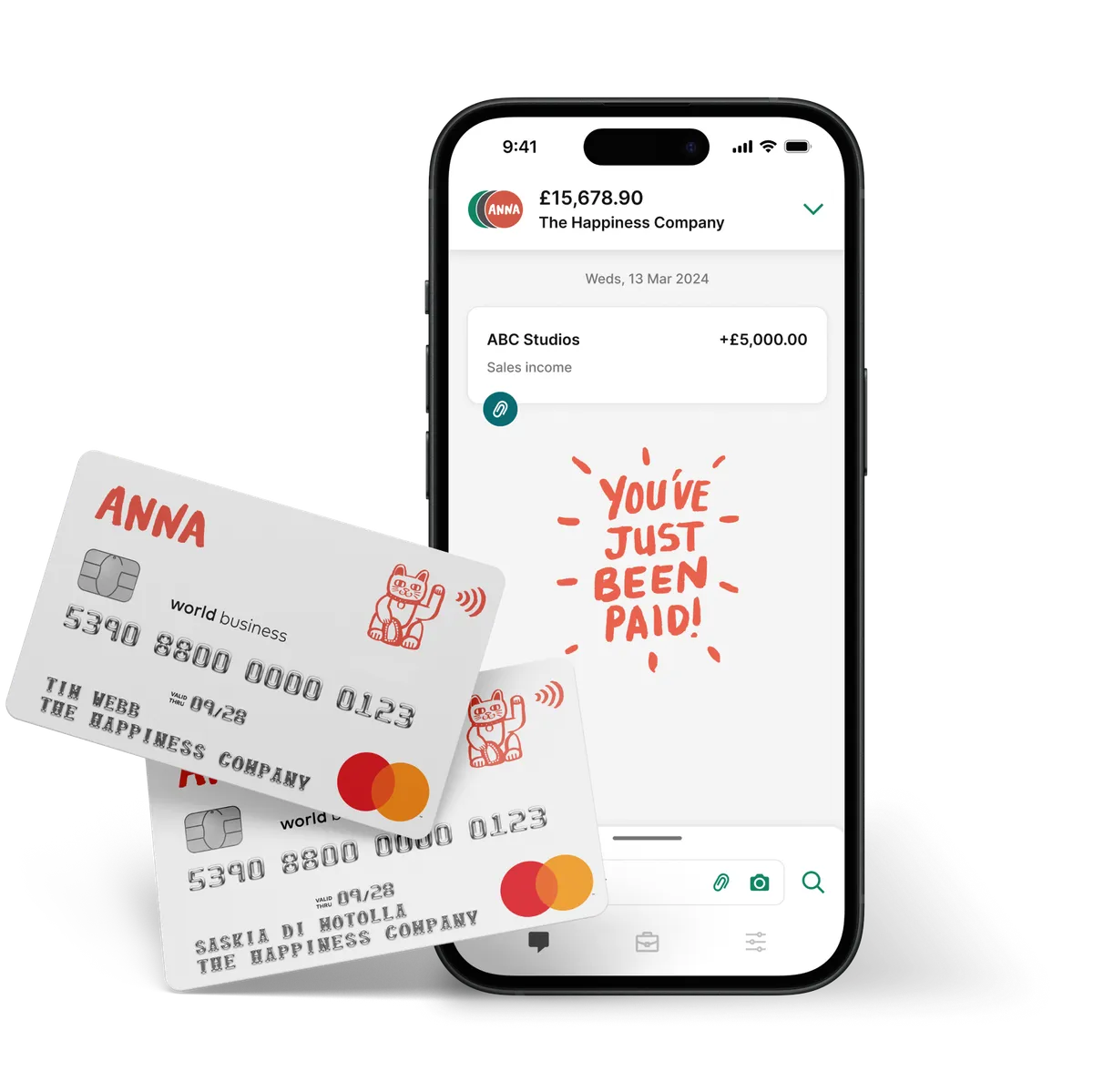
ANNA Money company registration aims to make the setup journey smoother by connecting company formation with business account access. Rather than registering your company in one place and then applying separately for banking tools elsewhere, ANNA gives founders a more joined-up route. This can be useful if you want fewer moving parts during the launch phase.
That said, ANNA is not a full replacement for professional accounting, tax or legal advice. If your company has multiple investors, unusual share arrangements, complex ownership, regulated activity, or cross-border tax considerations, it is sensible to get specialist guidance before forming the company.
For straightforward UK startups, though, ANNA Money company formation can be a practical option. It is built for founders who value speed, clarity and convenience, especially when they want to register a limited company with ANNA Money and begin managing their new company’s finances in one digital place.
Who Is ANNA Money Applicable For?
ANNA Money is applicable for UK business owners who want a simple, modern and admin-friendly way to start and manage a company. It is especially relevant for founders who are comfortable using apps, prefer online applications, and want to keep business finances separate without dealing with unnecessary paperwork or branch-based banking processes.
The service is well suited to sole traders who are ready to move into a limited company structure. For example, if you have been freelancing for a while and now want a more professional setup, ANNA Money company formation may help you make that transition with less friction. It can also appeal to people launching a new business from scratch, particularly if they want company registration and a business account arranged through one provider.
ANNA is also applicable for consultants, contractors, marketers, designers, developers, coaches, ecommerce founders, tradespeople, content creators and small agencies. These types of businesses often need straightforward banking, invoicing and expense tracking rather than complex lending or corporate treasury services. For them, ANNA Money company registration may provide enough functionality to start trading professionally.
First-time directors may find ANNA helpful because the company formation process can feel unfamiliar. Choosing a company name, entering director details, selecting a SIC code, understanding shares and completing identity checks can be intimidating if you have never done it before. A guided digital process can reduce uncertainty and make it easier to understand how to start a limited company with ANNA Money.
ANNA may also suit founders who care about speed. If you have a client waiting, a supplier asking for company details, or a launch date approaching, a streamlined formation process can be valuable. ANNA’s model is built around reducing the gap between deciding to form a company and being ready to operate with a business account.
However, ANNA will not be ideal for every business. If you need bespoke legal drafting, advanced tax planning, investor-ready share structures, specialist banking, cash deposits at scale, or regular in-person support, you may need a different route. Some founders may prefer to register directly with Companies House and then choose a separate bank, while others may prefer a traditional accountant-led setup.
For most simple UK startups and small businesses, the appeal is convenience. If you want to register a limited company with ANNA Money, access useful business account tools, and avoid spreading your setup across too many providers, ANNA is a strong option to consider. This ANNA Money company formation review is therefore most relevant for founders who want a practical, low-friction way to begin trading through a UK limited company.
What Is ANNA Money Company Formation?
ANNA Money company formation is a service designed to help UK entrepreneurs register a limited company while also gaining access to ANNA’s business finance and admin tools. Instead of handling company incorporation separately and then applying for a business account elsewhere, ANNA combines several startup essentials into a more streamlined setup process.
For many first-time founders, one of the biggest challenges is understanding everything that happens after a company is formed. Registering a company with Companies House is only one step. You may also need a business bank account, invoice templates, expense tracking tools, receipt storage, payment management and systems that help you stay organised from the beginning. ANNA Money company registration aims to simplify that early stage by bringing multiple functions together under one platform.
The process itself is designed to be digital and relatively straightforward. Users provide information about their business, director details, company name and registered office information, before ANNA submits the incorporation request to Companies House. Depending on the application and verification requirements, approval times can vary, but the goal is to make setup faster and less complicated for small businesses and startups.
One reason many founders search for how to start a limited company with ANNA Money is convenience. New business owners are often trying to launch quickly while managing multiple priorities at once. They may need to secure clients, build a website, organise branding, purchase software, or begin marketing immediately after forming the company. A provider that combines company formation with business finance tools can reduce the number of separate systems a founder needs to set up manually.
ANNA also positions itself as a more admin-friendly option compared with traditional business banking. Users can typically access invoicing tools, receipt capture, transaction categorisation and expense management through the same platform. For startups and freelancers, that can create a cleaner workflow from the start of trading.
Another key point is that ANNA Money company formation is generally aimed at straightforward UK limited companies rather than highly complex corporate structures. If your company involves multiple investors, specialist share arrangements, regulated activities or international ownership structures, you may need additional legal or accounting advice before proceeding with any online formation provider.
For simpler businesses, though, ANNA can offer a practical route into company ownership. Many founders simply want a professional structure, a dedicated business account and a manageable way to stay organised financially. Being able to register a limited company with ANNA Money and start operating through one connected ecosystem can therefore be attractive for new UK businesses in 2026.
If you want to explore the current registration offer, you can apply here: https://startupdeals.co.uk/recommends/anna-money-company-formation
Offers, pricing, eligibility requirements and account approval processes may change over time and remain subject to current terms and conditions.
Benefits of Using ANNA Money to Start a Limited Company
There are several reasons why UK founders consider ANNA when researching how to start a limited company with ANNA Money. The biggest advantage for many users is convenience. Rather than registering a company through one provider, applying for banking elsewhere and sourcing admin tools separately, ANNA attempts to bring these early-stage business essentials into one connected platform.
For startups and freelancers, this can save time during the launch phase. Starting a company often involves a long list of tasks including registering the business, opening a business account, sending invoices, keeping records, tracking expenses and preparing for taxes. Having these tools connected from the start may reduce the amount of manual admin required later.
Another benefit is simplicity. ANNA Money company registration is designed for users who want a more guided digital experience rather than a heavily paperwork-based process. Applications can usually be completed online, and the interface is built to feel accessible for non-accountants and first-time founders. This may help reduce the intimidation some people feel when forming their first limited company.
ANNA also appeals to business owners who want better separation between personal and business finances. One common mistake among early-stage founders is mixing personal spending with company transactions. This can create bookkeeping confusion and make tax reporting more difficult. Opening a dedicated business account alongside your company formation can help establish cleaner financial habits from the beginning.
The platform’s invoicing and expense management tools are another attraction. Many small business owners initially rely on spreadsheets or manual tracking, which can become difficult to manage as the business grows. ANNA’s built-in admin features can help founders keep digital records, manage receipts and monitor payments more efficiently.
Speed is another factor. Some founders need to start trading quickly because they already have customers, contracts or launch deadlines waiting. ANNA’s digital onboarding approach may feel faster and more practical than navigating multiple disconnected providers. This is particularly relevant for freelancers and contractors moving from informal work into a formal limited company structure.
There is also the branding and professionalism aspect. Operating through a registered limited company with a dedicated business account can help a startup appear more credible to clients, suppliers and business partners. For some founders, this can improve confidence when issuing invoices or negotiating commercial agreements.
That said, ANNA will not suit every business. Companies with complex ownership structures, specialist financial requirements or advanced lending needs may prefer alternative providers. However, for many straightforward UK startups, anna money company formation offers a simpler route into professional business ownership without requiring multiple separate services from day one.odern digital businesses, however, ANNA remains one of the more accessible and admin-friendly options currently available in the UK business account market.
How to Start a Limited Company with ANNA Money Step by Step
If you are researching how to start a limited company with ANNA Money, the overall process is designed to be more straightforward than many first-time founders expect. While there are still legal and verification requirements involved in forming a UK company, ANNA aims to simplify the experience through a guided online application process.
The first step is choosing your company name. Your chosen name must be available through Companies House and cannot be identical or too similar to an existing registered company. It is also important to avoid restricted or sensitive words unless you have the relevant permissions. Many founders spend time checking domain availability and social media handles alongside their company name choice to maintain consistent branding from launch.
The next step involves deciding on your company structure. Most users using ANNA Money company registration will be forming a standard private limited company with shares. During the process, you will normally need to provide director details, shareholder information and the registered office address for the company. If you are the sole founder, this part is often relatively simple because you may act as both director and shareholder.
You will then need to choose a SIC code, which describes the main activity of your business. Companies House requires every limited company to include at least one SIC code as part of the incorporation process. Many startups spend time selecting the code that most closely reflects their future business activity.
Identity verification and compliance checks are another important stage. Like other regulated financial providers, ANNA may request identification documents and business information before approving account access or progressing elements of the application. These checks are designed to help prevent fraud and meet regulatory obligations.
Once the information has been submitted, ANNA sends the incorporation request to Companies House. If approved, your company becomes officially registered and receives a certificate of incorporation. At this stage, your business legally exists as a separate entity from you personally.
One reason many founders choose to register a limited company with ANNA Money is because the process can continue directly into the business account setup journey. Instead of forming the company first and then applying separately for business banking, users may be able to manage both elements within the same ecosystem.
After formation, founders should still take additional steps such as setting up accounting processes, understanding tax obligations, monitoring confirmation statement deadlines and maintaining proper records. A limited company creates ongoing legal responsibilities, so staying organised is essential.
If you want to explore the current registration offer, you can apply through ANNA here: https://startupdeals.co.uk/recommends/anna-money-company-formation
Pricing, eligibility requirements, approval times and included features may change over time and remain subject to current terms and conditions.
ANNA Money Company Formation
anna money company formation is designed to help UK founders launch a limited company while reducing the amount of friction typically associated with early business setup. Instead of treating incorporation as a standalone task, ANNA positions the service as part of a broader business management ecosystem that includes banking tools, invoicing support and admin features.
For many entrepreneurs, the challenge is not simply registering a company. The bigger issue is what happens afterwards. New founders often need to organise invoicing, payment collection, expense management and bookkeeping almost immediately after incorporation. This is where ANNA tries to differentiate itself from some traditional company formation providers by combining company setup with practical operational tools.
A major reason people search for anna money company formation is convenience. Many first-time business owners want an easier route into running a company professionally without dealing with several disconnected services at once. Instead of registering through one provider and then searching separately for business banking and admin software, ANNA attempts to streamline the early setup journey into a more connected experience.
The platform is particularly attractive for startups, freelancers, consultants and online businesses that prioritise simplicity and speed. These businesses often do not need highly complex banking arrangements during the launch phase. Instead, they want a reliable business account, digital access, invoice functionality and tools that help keep records organised from day one.
Another advantage is accessibility. Traditional banking applications can sometimes feel intimidating or slow for newly formed businesses, especially if the founder has limited trading history. ANNA’s digital-first approach may feel easier for founders who are already comfortable managing most of their business operations online.
This ANNA Money company formation review also highlights that the service is more suitable for straightforward limited company structures rather than advanced corporate arrangements. If your business has outside investors, specialist share allocations, international tax considerations or regulated financial activities, you may need tailored professional support beyond a standard online formation service.
For many small businesses, though, simplicity is the priority. Founders often want a professional setup that allows them to invoice clients, receive payments, manage expenses and maintain cleaner financial records without creating unnecessary complexity. In that context, ANNA Money company registration can be an appealing option.
Another factor worth considering is credibility. Operating through a registered limited company with a dedicated business account can help improve trust with customers, suppliers and partners. This is especially important for startups trying to establish a professional image during their early growth stages.
If you want to register a limited company with ANNA Money and explore the current £19 registration offer, you can apply here: https://startupdeals.co.uk/recommends/anna-money-company-formation
Offers, approval requirements and pricing remain subject to eligibility and may change over time.
ANNA Money Company Registration Costs and What You Get
One of the most common questions founders ask during the setup process is how much company formation actually costs. ANNA Money company registration is promoted from £19, which positions it as a relatively accessible option for UK startups and small businesses looking to form a limited company online.
For many founders, the appeal is not only the headline price but also what is included alongside the incorporation service. When comparing formation providers, it is important to look beyond the initial registration fee and consider what tools, services and account features are bundled into the package.
ANNA Money company formation is designed to combine company incorporation with access to business finance and admin tools. Depending on the package and current offer available at the time of application, users may receive access to features such as a business account, invoicing functionality, expense management tools and receipt tracking. This integrated setup is part of the reason many users researching how to start a limited company with ANNA Money choose the service over a basic Companies House-only filing.
The actual cost can vary depending on the formation package selected and any optional add-ons included during checkout. Some founders may choose additional services such as registered office support, director service addresses or accounting-related tools. It is therefore important to review the current package details carefully before applying.

Another consideration is ongoing account costs. While the company registration itself may begin from £19, founders should still review any monthly account fees, transaction costs or subscription features associated with the wider ANNA ecosystem. Choosing the cheapest registration option does not always mean it will remain the most cost-effective solution long term, particularly if your business requirements evolve.
Compared with registering directly through Companies House, ANNA’s pricing reflects the additional convenience and integrated services provided. Some founders prefer to pay a little more in exchange for a smoother setup process and connected admin tools rather than managing everything independently.
For startups and freelancers, the time-saving aspect may also have value. Setting up invoicing systems, business banking and expense tracking separately can take additional time and create more administrative work during the launch phase. ANNA attempts to reduce that friction by centralising several startup essentials.
Before proceeding, founders should always review the latest package details, account terms and eligibility requirements. Like most business finance providers, ANNA may update pricing, offers or included features over time.
If you want to explore the current registration offer and see what is included, you can apply here: https://startupdeals.co.uk/recommends/anna-money-company-formation
Pricing, included features and approval requirements are subject to change and current terms and conditions.
ANNA Money vs Registering Directly with Companies House
When deciding how to form a limited company, many founders compare online formation services with registering directly through Companies House. Both routes can result in a fully registered UK limited company, but the overall experience and level of support can differ significantly depending on which option you choose.
Registering directly with Companies House is usually the lowest-cost route. Founders complete the incorporation forms themselves and submit the required details online. This approach may suit business owners who are already familiar with the company formation process or those who only want the most basic registration service without any additional tools or support.
However, for first-time founders, the direct Companies House route can sometimes feel more manual and disconnected. After incorporation, you still need to organise business banking, invoicing systems, bookkeeping processes and expense management separately. This is one reason why some entrepreneurs researching how to start a limited company with ANNA Money prefer a more integrated setup experience.
ANNA Money company formation attempts to bridge that gap by combining company registration with access to business finance and admin tools. Rather than treating incorporation as a standalone task, ANNA positions it as the beginning of your wider business setup journey. For startups and freelancers, that may feel more practical because the business account and admin environment are already connected from the beginning.
Another difference is user experience. Companies House is primarily a government registration system rather than a business management platform. While functional, it is not necessarily designed to guide inexperienced founders through broader startup considerations. ANNA, by contrast, is aimed specifically at small business owners who want a simpler digital onboarding process and ongoing admin support.
There is also a time and convenience factor. If you register directly through Companies House, you will still need to research business banking providers afterwards. This can involve separate applications, additional identity checks and extra admin. Founders who register a limited company with ANNA Money may prefer having more of these steps handled within one ecosystem.
That said, Companies House may still be the better choice for founders who only want the cheapest possible incorporation route or who already have separate banking, accounting and admin systems planned. More complex businesses may also prefer a bespoke accountant-led setup instead of relying on a general formation platform.
In practice, the best option depends on your priorities. If your focus is purely low-cost incorporation, Companies House may be enough. If you want a more connected startup experience with business account access and admin functionality included, ANNA Money company registration may offer greater convenience for new UK businesses.
If you want to review the current ANNA registration offer, you can apply here: https://startupdeals.co.uk/recommends/anna-money-company-formation
Eligibility requirements, pricing and included services remain subject to change and current terms.
ANNA Money vs Other Company Formation Services
The UK company formation market is highly competitive, with many providers offering low-cost or even free incorporation packages. Because of this, founders comparing anna money company formation will often look at alternatives before deciding which platform best fits their startup needs.
One of ANNA’s biggest differences compared with many traditional formation providers is its focus on combining company registration with practical business finance tools. Some formation companies mainly concentrate on filing incorporation paperwork and then upselling additional services afterwards. ANNA, by contrast, positions itself more as a connected startup platform rather than a standalone registration service.
For example, many low-cost formation providers can successfully register a company but leave founders responsible for sourcing business banking, invoicing software and expense management separately. This may not be a problem for experienced entrepreneurs, but first-time founders often prefer a more joined-up setup process. That is one reason many users researching how to start a limited company with ANNA Money view the platform as more than just a filing service.
Compared with digital banking competitors, ANNA also places a strong emphasis on admin tools. Features such as invoicing, receipt capture and expense management are often highlighted as part of the wider ecosystem. This may appeal to freelancers, contractors and service-based businesses that want fewer separate tools during the early stages of growth.
Pricing structures also vary significantly across the market. Some formation companies advertise extremely low headline incorporation fees but charge additional costs for services many founders eventually need. Others may bundle registered office services, director addresses or accounting support into premium packages. This makes it important to compare overall value rather than focusing only on the cheapest advertised registration cost.
Another area where providers differ is customer experience. Some founders prioritise speed and simplicity, while others care more about advanced support, accounting integrations or access to lending products. ANNA tends to appeal most strongly to founders who want digital convenience and a cleaner startup workflow.
That said, ANNA may not always be the best fit for every business. Larger companies, startups with outside investment, businesses needing specialist legal structures or founders seeking advanced banking features may prefer alternative providers or more traditional banking relationships.
For many small UK startups, though, simplicity is often the deciding factor. Being able to register a limited company with ANNA Money and access connected finance tools through one platform can reduce setup friction and help new founders stay organised from the beginning.
If you want to compare the current registration package and explore the latest offer, you can apply here: https://startupdeals.co.uk/recommends/anna-money-company-formation
Offers, pricing, eligibility requirements and included services may change over time and remain subject to current terms and conditions.
Register Your Company for £19 with ANNA Money
One of the main attractions for new founders is the ability to register your company for £19 through ANNA Money company formation. For many startups and freelancers, keeping launch costs manageable is important, particularly during the early stages when cash flow and budgeting can be unpredictable.
The ANNA registration offer is designed to provide a relatively affordable route into limited company ownership while also introducing users to ANNA’s wider business finance ecosystem. Rather than simply acting as a filing service, ANNA combines incorporation with access to business admin and account features aimed at helping founders manage their business more efficiently after setup.
The offer generally applies to standard UK private limited company registrations, although eligibility requirements and package details can vary over time. Founders are usually required to complete identity verification checks and provide accurate company information during the application process. Approval times may differ depending on verification requirements and Companies House processing speeds.
When researching anna money company formation review content online, many users are specifically looking for clarity around what is included within the £19 offer. While package structures may change, founders should typically expect the incorporation filing itself to be included, with additional features and account functionality depending on the specific package selected during signup.
It is important to understand that the registration fee itself is only one part of starting a limited company. Founders should also think about ongoing business costs such as accounting, software subscriptions, taxes, insurance and operational expenses. Choosing a provider that helps simplify admin can therefore have value beyond the initial incorporation price alone.
Another reason the offer attracts attention is because many first-time founders want a faster route into business ownership without navigating multiple providers. If you register a limited company with ANNA Money, you may also gain access to invoicing tools, expense tracking and business account features that support day-to-day trading activity after incorporation.
The offer may be especially attractive for freelancers, consultants, online businesses, agencies and contractors that want a professional business structure without excessive setup complexity. For these types of businesses, convenience and speed can often matter as much as the headline registration cost.
You can explore the current £19 company formation offer here: https://startupdeals.co.uk/recommends/anna-money-company-formation
Offers, package features, approval requirements and pricing are subject to change—check current T&Cs before applying.
Things to Check Before Applying
Before proceeding with anna money company formation, it is important to make sure you fully understand what information is required and whether a limited company is the right structure for your business. While the setup process is designed to be relatively straightforward, there are still legal and financial responsibilities attached to running a UK limited company.
One of the first things to check is your company name. Your chosen name must be available through Companies House and must not infringe trademarks or appear too similar to an existing registered business. Many founders also check domain availability and social media usernames at the same time so they can maintain consistent branding across their business presence.
You should also think carefully about whether you actually need a limited company at this stage. Some businesses may still operate effectively as sole traders, particularly during the testing phase of a new idea. However, many founders researching how to start a limited company with ANNA Money are looking for a more professional business structure, cleaner financial separation and stronger credibility with clients or suppliers.
Another important area is understanding director responsibilities. When you become a company director, you take on legal duties linked to reporting, record keeping and tax compliance. This includes filing annual accounts, confirmation statements and corporation tax returns. While ANNA Money company registration may simplify the setup process, it does not remove your legal obligations as a company director.
You should also consider your future banking and admin requirements. Some founders only focus on incorporation costs and forget about what happens after the business is registered. Think about whether you need invoicing tools, expense tracking, bookkeeping support or payment management systems. One reason many people choose to register a limited company with ANNA Money is because the wider ecosystem can help reduce admin during the early stages of business growth.
Eligibility checks are another factor. Like many business finance providers, ANNA may require identification documents, address verification and business information before approving account access. Certain industries or activities may also be subject to additional review.
It is also worth reviewing ongoing costs carefully. While the initial registration offer may begin from £19, founders should understand any monthly account fees, optional add-ons or future subscription costs linked to business account features. Looking only at the incorporation fee can sometimes create an incomplete picture of long-term costs.
Finally, founders should consider whether their business structure is relatively simple or more complex. If your company has outside investors, multiple shareholders, specialist share allocations or international tax considerations, it may be wise to speak with an accountant or solicitor before proceeding with any online formation service.
Taking time to review these areas before applying can help reduce mistakes and create a smoother setup process overall.
Is ANNA Money Worth It for UK Startups?
Whether ANNA is worth using depends largely on the type of business you are starting and how important convenience, simplicity and integrated tools are to your setup process. For many small UK startups, freelancers and service-based businesses, ANNA Money company formation can offer a practical way to launch a company without needing to manage multiple disconnected providers from day one.
One of the strongest advantages is the combination of company registration and business finance tools within the same ecosystem. Many founders do not just need incorporation. They also need invoicing, expense tracking, receipt management and a dedicated business account almost immediately after setup. This is one reason many entrepreneurs researching how to start a limited company with ANNA Money see value in the platform beyond the formation service itself.
The digital-first experience is another major attraction. ANNA is designed for founders who are comfortable managing business finances through apps and online tools rather than relying on branch-based banking. For modern startups and online businesses, that can feel more efficient and aligned with how they already operate.
ANNA may be particularly worthwhile for first-time founders who want a more guided setup experience. The process of registering a company, understanding compliance obligations and organising business finances can feel overwhelming when done separately. ANNA attempts to simplify that transition into limited company ownership by creating a more connected onboarding journey.
Cost can also play a role in the decision. The ability to register a limited company with ANNA Money from £19 may appeal to startups that want to keep initial setup costs relatively low while still accessing business account functionality and admin tools. However, founders should still review any future account costs or subscription features before deciding whether the platform offers good long-term value for their specific business.
That said, ANNA is not necessarily the perfect fit for every company. Businesses with advanced financing needs, international operations, investor-led structures or complex legal arrangements may require more specialist support. Some founders may also prefer a traditional high street banking relationship depending on their industry and preferences.
For straightforward startups, though, ANNA’s simplicity can be a genuine advantage. Many founders simply want a professional company structure, cleaner financial separation and fewer admin headaches during the launch phase. In those situations, ANNA Money company registration may provide a more manageable route into business ownership.
If you want to explore the current registration offer and see whether ANNA fits your startup, you can apply here: https://startupdeals.co.uk/recommends/anna-money-company-formation
Offers, pricing, features and approval requirements remain subject to eligibility and current terms and conditions.
General FAQs About ANNA Money Company Formation
What is ANNA Money company formation?
ANNA Money company formation is a service that helps UK founders register a limited company while also accessing business account and admin tools through the ANNA platform.
How much does ANNA Money company registration cost?
ANNA Money company registration is promoted from £19, although pricing, included features and optional add-ons may change over time.
Can I register a limited company with ANNA Money online?
Yes, sole traders can apply for the ANNA business account if they meet the eligibility requirements and verification checks.
Is ANNA Money good for startups?
Yes, founders can register a limited company with ANNA Money through an online application process that includes identity verification and company setup information.
Is ANNA good for first-time business owners?
Many first-time founders choose ANNA because the platform combines company registration with business finance and admin tools in one place.
How long does ANNA Money company formation take?
Approval times can vary depending on verification checks and Companies House processing, but many online company registrations are completed relatively quickly.
Do I get a business account with ANNA company formation?
ANNA aims to connect company formation with business account access, although account approval and eligibility checks still apply.
Is ANNA better than registering directly with Companies House?
Some founders prefer ANNA because it combines incorporation with business tools, while others may prefer the lower-cost direct Companies House route.
Who is ANNA Money suitable for?
ANNA is often suited to freelancers, startups, contractors, consultants and small businesses looking for a simpler digital-first setup experience.
Can sole traders switch to a limited company with ANNA?
Yes, many sole traders researching how to start a limited company with ANNA Money use the platform to transition into a formal company structure.
Can I open a business account after registering through ANNA?
Many founders use ANNA Money company registration because it connects company formation with access to ANNA’s business finance tools and account features.
How quickly can I register a limited company with ANNA Money?
Processing times can vary depending on identity checks and Companies House approval speeds, although digital applications are generally designed to be relatively fast.
Does ANNA perform identity verification checks?
Yes, like many regulated financial providers, ANNA may request identification documents and business information during onboarding.
Can I change my company details after formation?
Some company details can be updated after incorporation through Companies House processes, although certain changes may involve additional filings or fees.
Does ANNA support startup businesses?
Yes, ANNA is designed primarily for startups, freelancers, sole traders and small business owners looking for a digital-first business setup.
Can I register multiple companies through ANNA?
Founders may be able to register more than one company, although separate applications, verification checks and approvals may apply.
What documents do I need to apply?
Applicants may need proof of identity, address information and company details during the registration and onboarding process.
FAQs About the ANNA Money Company Registration Offer
What is included in the £19 ANNA Money company formation offer?
The offer generally includes UK limited company incorporation through Companies House, although package features may vary depending on the current promotion and selected options.
Can anyone access the ANNA Money £19 registration offer?
Eligibility requirements may apply, including identity verification, business checks and approval criteria linked to ANNA’s onboarding process.
Is the £19 fee a one-time payment?
The registration fee is typically linked to the incorporation service itself, although additional account costs, subscriptions or optional services may apply afterwards.
Does the offer include a registered office address?
Package features can change over time, so founders should review the latest offer details to confirm whether registered office services are included.
Can freelancers use the ANNA company formation offer?
Yes, freelancers, contractors and consultants often use anna money company formation when moving from sole trader status to a limited company structure.
Is the £19 company formation offer always available?
Promotions, pricing and package structures may change over time, so founders should review the current offer before applying.
Where can I apply for the ANNA company registration offer?
You can explore the latest ANNA Money company formation offer here: https://startupdeals.co.uk/recommends/anna-money-company-formation
Offers, pricing and package features are subject to change—check current T&Cs before applying.
Recap
Starting a limited company can feel like a major step, especially for freelancers, startups and first-time founders trying to balance business setup with day-to-day operations. The appeal of anna money company formation is that it attempts to simplify that early-stage process by combining company registration with business finance and admin tools in one connected platform.
For many UK startups, convenience is a major factor. Instead of forming a company through one provider and then separately arranging business banking, invoicing and expense management, ANNA offers a more integrated setup experience. This can help reduce friction during the launch phase and create a cleaner financial structure from the beginning.
This guide has explored how to start a limited company with ANNA Money, who the service is best suited for, how the registration process works, the potential benefits, pricing considerations and how ANNA compares with alternative formation routes. For straightforward UK businesses, freelancers, contractors and online startups, ANNA may provide a practical and accessible entry point into limited company ownership.
The platform is especially relevant for founders who value digital convenience, simple onboarding and connected admin tools. However, businesses with more complex structures or specialist requirements may still benefit from tailored accounting or legal advice before incorporation.
If you want to explore the latest registration offer and form your company through ANNA, you can apply here: https://startupdeals.co.uk/recommends/anna-money-company-formation
Eligibility requirements, pricing and package features may change over time and remain subject to current terms and conditions.
Conclusion
Choosing the right company formation route can have a significant impact on how smoothly your business launches. While there are many ways to register a UK limited company, anna money company formation stands out for founders who want a more connected and digital-first setup experience rather than simply completing a Companies House filing in isolation.
For many startups, freelancers and small businesses, the biggest challenge is not just incorporation itself but everything that follows afterwards. Business banking, invoicing, receipt management, expense tracking and financial organisation all become important almost immediately after launch. ANNA attempts to simplify this transition by combining company registration with tools designed to help founders manage their business more efficiently from day one.
This ANNA Money company formation review has explored how the platform works, who it is best suited for, the benefits of using the service and how it compares with alternative registration methods. For straightforward UK startups and service-based businesses, the convenience factor can be particularly attractive. Being able to register a limited company with ANNA Money while also accessing business finance tools through one platform may help reduce setup friction and improve organisation during the early growth phase.
That said, founders should still take time to understand their legal responsibilities as company directors, review ongoing costs carefully and assess whether a limited company structure is appropriate for their specific situation. Businesses with complex ownership structures or specialist tax considerations may still benefit from professional advice before incorporating.
For founders looking for a simpler route into limited company ownership in 2026, ANNA may be a strong option worth considering. The combination of digital onboarding, integrated business tools and relatively accessible pricing can make the process feel more manageable for first-time business owners.
If you are ready to explore the latest offer and start your company setup, you can apply here: https://startupdeals.co.uk/recommends/anna-money-company-formation
Offers, eligibility requirements, pricing and package features remain subject to current terms and conditions.
Latest Posts:
- Zempler Bank Review 2026: Is It Good Value for UK Startups?
 Introduction Zempler Bank offers a genuine UK business bank account from £0 per month, with app and online banking, Post Office cash deposits and built-in tools for invoicing, receipts and… Read more: Zempler Bank Review 2026: Is It Good Value for UK Startups?
 - Hoxton Mix vs Virtually There: Which Virtual Office Service Is Better?
 Introduction If you’re comparing Hoxton Mix vs Virtually There, you’re likely searching for a virtual office provider that offers the right balance of professionalism, affordability, and flexibility. Whether you’re launching… Read more: Hoxton Mix vs Virtually There: Which Virtual Office Service Is Better?
 - Hoxton Mix vs Icon Offices: Which Virtual Office Is Better?
 Introduction Choosing a virtual office provider can have a significant impact on how your business is perceived, how you manage your mail, and even how effectively you maintain privacy as… Read more: Hoxton Mix vs Icon Offices: Which Virtual Office Is Better?
 - 7 Powerful Benefits of Using a Hoxton Mix Virtual Office Address
 Introduction For startups, freelancers, sole traders and growing SMEs, establishing a professional business presence can be challenging. Renting physical office space in London is often expensive, particularly during the early… Read more: 7 Powerful Benefits of Using a Hoxton Mix Virtual Office Address
 - Hoxton Mix Review: Features, Pricing, Pros and Cons Explained
 Introduction If you’re searching for an honest and detailed hoxton mix review, you’re likely comparing virtual office providers and trying to decide whether Hoxton Mix offers good value for your… Read more: Hoxton Mix Review: Features, Pricing, Pros and Cons Explained
 - Hoxton Mix Virtual Office Discount: Save 10% on Your First 12 Months
 Introduction If you’re looking for a professional London business address without the cost of renting physical office space, a Hoxton Mix Virtual Office discount could help you reduce your startup… Read more: Hoxton Mix Virtual Office Discount: Save 10% on Your First 12 Months
 - Tide Referral Code 2026: Powerful Guide to Claim £200 Cashback with STARTUP200
 Introduction If you’re looking for a Tide referral code in 2026, you’re probably searching for the best possible deal before opening a business account. Whether you’re a sole trader, freelancer,… Read more: Tide Referral Code 2026: Powerful Guide to Claim £200 Cashback with STARTUP200
 - Tide vs High Street Banks: Powerful 2026 Review
 Introduction Choosing the right business banking solution is one of the most important decisions a UK business owner can make. Whether you’re a sole trader, freelancer, contractor, startup founder, or… Read more: Tide vs High Street Banks: Powerful 2026 Review
 - Tide Business Account for Tradespeople | Powerful Guide 2026
 Introduction Running a trade business involves much more than completing jobs and keeping customers happy. Whether you’re a plumber, electrician, builder, carpenter, roofer, landscaper, painter, heating engineer, or general contractor,… Read more: Tide Business Account for Tradespeople | Powerful Guide 2026