

Introduction
This octopus energy Review is designed for UK households, sole traders, SMEs, startups, freelancers and founders who want a clearer, smarter way to manage energy in 2026. Whether you are reviewing your home gas and electricity tariff, looking for a business energy supplier, or comparing green energy providers before switching, Octopus Energy is one of the most recognised names in the UK market.
Energy decisions have become more important for both personal and business budgets. Households want fair pricing, useful technology, renewable electricity options and better customer service. Businesses want predictable billing, simple account management, flexible tariffs and a supplier that understands commercial energy use. This article brings those two perspectives together, so you can assess Octopus Energy as both a consumer energy provider and a business energy option.
Octopus Energy has built its reputation around renewable electricity, digital account management, smart tariffs and customer-focused service. Its domestic proposition includes fixed and flexible tariffs, smart-meter-led options, electric vehicle tariffs, export tariffs and referral rewards. Its business proposition includes electricity and gas for companies, smart export tariffs and options designed for organisations with different usage patterns. Octopus also promotes business energy products such as Shape Shifters and business export options on its official business energy pages.
A key reason many customers search for an octopus energy signup offer is the refer-a-friend scheme. For this article, the relevant offer is: business customers may be able to get £100 free energy credit and consumer customers may be able to get £50 free energy credit when signing up using the refer a friend code Reed-goose-229. This offer is subject to eligibility, availability and Octopus Energy’s current terms, and it may change at any time.
For readers ready to compare options, you can review the business offer here: https://startupdeals.co.uk/recommends/octopus-enegy-business-referral-code
This review will explain the main octopus energy benefits, who Octopus Energy is best suited to, how the switching process works, what to consider before signing up, and the main octopus energy pros and cons. It will also cover the octopus energy referral code in detail, including how the offer works, what to check before applying, and whether Octopus Energy makes sense for homes, freelancers and small businesses in 2026.
Use the Octopus Energy referral code ‘Reed-goose-229’
Contents
- What Is Octopus Energy?
- Who Is Octopus Energy Applicable For?
- Octopus Energy Review for UK Homes and Businesses
- Key Octopus Energy Benefits
- Octopus Energy for Consumers
- Octopus Energy for Businesses
- How to Switch to Octopus Energy Step by Step
- Octopus Energy Signup Offer and Referral Code
- Octopus Energy Pros and Cons
- Octopus Energy vs Other UK Energy Suppliers
- Is Octopus Energy Worth It in 2026?
- General FAQs About Octopus Energy
- FAQs About the Octopus Energy Referral Offer
- Recap
- Conclusion
What Is Octopus Energy?
Octopus Energy is a UK energy supplier offering gas and electricity services to domestic and business customers. It is best known for combining renewable energy, digital account tools, customer service and smart tariff innovation into one supplier proposition. For many UK customers, Octopus is not just another utility provider; it is positioned as a modern alternative to traditional energy companies.
For households, Octopus Energy provides a range of tariffs depending on usage, location, meter type and customer needs. Customers can explore fixed tariffs, flexible tariffs, smart tariffs and specialist options linked to electric vehicles, solar panels and export energy. Octopus’ tariff information is postcode-led, which means available rates can vary depending on where the customer lives and what meter setup they have.
For businesses, Octopus Energy offers business electricity and gas services, including products aimed at organisations that want more flexible or greener ways to manage energy. The supplier also promotes smart export tariffs, which allow businesses with suitable green technology to earn money by exporting power back to the grid. It also offers products designed around cheaper usage outside peak periods.
This matters because energy needs are not identical across households and businesses. A family home may care most about predictable bills, simple app management and a fair fixed tariff. A freelancer working from home may want both domestic value and business cost awareness. A small shop, salon, office or startup may care more about business meter rates, usage patterns, VAT, billing clarity and whether the supplier can support future energy efficiency plans.
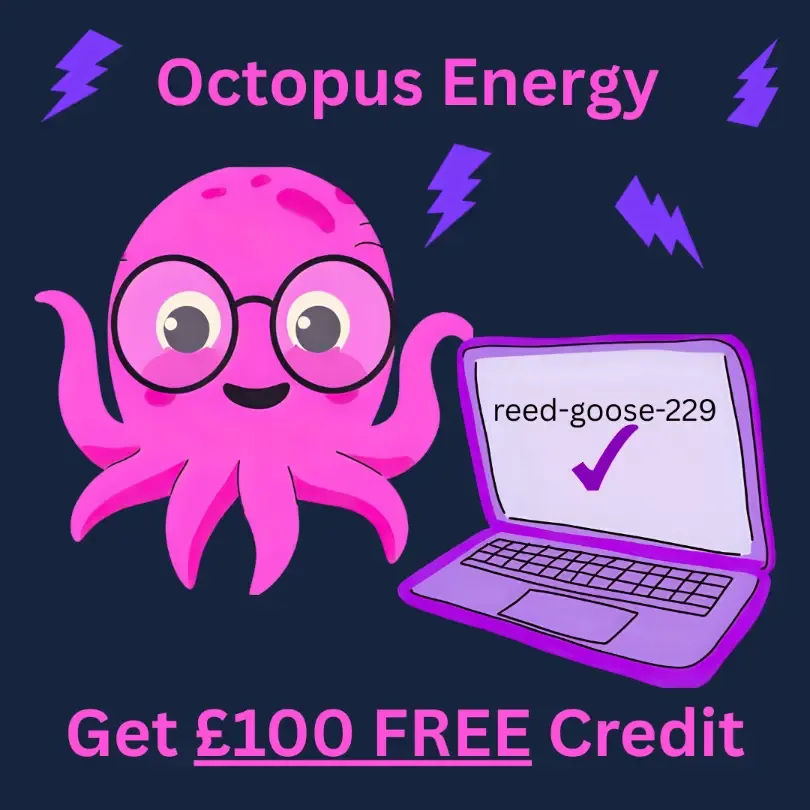
One of the core octopus energy benefits is that the brand appeals to both sides of the market. It can be relevant for consumers who want renewable electricity and simple digital tools, but also for SMEs that want a more modern business energy supplier. This dual relevance makes Octopus Energy useful for founders, freelancers and sole traders who are trying to manage costs across both home and work.
The octopus energy signup offer also adds a commercial reason to compare it. With the octopus energy referral code Reed-goose-229, eligible consumer customers may be able to receive £50 free energy credit, while eligible business customers may be able to receive £100 free energy credit through the promoted offer. Because energy referral schemes and credit amounts can change, customers should always check the current offer details before switching.
Who Is Octopus Energy Applicable For?
Octopus Energy is applicable for a wide range of UK customers, but it will be most relevant to people and organisations that value digital account management, renewable energy, smart tariff options and straightforward switching. It is not only a household energy supplier, and it is not only a business energy supplier. Its strength is that it can serve both markets, which makes it especially interesting for Startup Deals readers who often sit between personal and business financial decisions.
For consumers, Octopus Energy may suit homeowners, tenants, families, electric vehicle owners, solar panel users and people who want to move away from older-style energy suppliers. If you prefer managing your account online, reviewing usage digitally and exploring tariff options without relying heavily on call centres, Octopus is likely to feel more modern than many traditional suppliers. Customers searching for octopus energy benefits are often looking for renewable energy, transparent billing, referral credit and better customer experience.
For sole traders and freelancers, Octopus Energy can also be relevant because energy use is often split between home and work. A freelancer working from a home office may not need a separate business energy meter, but they may still want lower energy costs, clearer monthly payments and smarter usage insights. If you run a small business from home, Octopus Energy may be worth comparing as part of your wider cost-control strategy.
For SMEs and startups, Octopus Energy may be suitable if the business has a dedicated premises, such as an office, studio, shop, warehouse, salon or hospitality site. Business customers may want to compare tariffs, understand contract terms, review meter requirements and check whether smart export or time-of-use products could help reduce costs. The octopus energy signup offer may also make the switch more attractive if the business qualifies for free credit.
Octopus Energy may also appeal to businesses with sustainability goals. Many startups and SMEs now want suppliers that align with their environmental values, particularly if they are building a brand around ethical, responsible or low-carbon operations. Choosing a renewable-focused energy supplier can support that positioning, although businesses should still compare unit rates, standing charges, contract terms and customer support before making a decision.
That said, Octopus Energy will not be perfect for everyone. Some customers may prefer a supplier with a local branch presence, a specific fixed-rate deal, or a tariff structure not currently available in their area. Others may need specialist business energy advice if they have complex meters, high usage, multi-site operations or half-hourly meters.
Overall, Octopus Energy is applicable for UK households and businesses that want a smarter, cleaner and more digital energy supplier. The octopus energy pros and cons should be considered carefully, but for many customers, the combination of renewable energy, customer-friendly technology and the octopus energy referral code offer makes it a strong supplier to compare in 2026.
Use the Octopus Energy referral code ‘Reed-goose-229’
Octopus energy Review for UK Homes and Businesses
This octopus energy Review looks at how the supplier performs across both the domestic and commercial energy markets in the UK. While many energy companies focus heavily on either consumers or business customers, Octopus Energy has positioned itself as a provider that attempts to support both audiences with modern technology, renewable energy and flexible account management.
For domestic users, Octopus Energy is often associated with simplicity and transparency. Customers can manage their accounts online, submit meter readings digitally, monitor usage trends and explore different tariff types without needing to navigate overly complex systems. This digital-first approach is one of the major octopus energy benefits because it helps households understand energy usage more clearly while also making billing easier to manage.
The supplier is also strongly linked to renewable electricity and green energy messaging. Many UK households are becoming more conscious about sustainability, particularly as energy efficiency and environmental awareness become more important financial and lifestyle considerations. Octopus Energy appeals to this audience by positioning renewable electricity and smart energy management at the centre of its proposition.

For business customers, the proposition is slightly different. SMEs, startups and sole traders often care less about branding and more about predictability, account management and operating costs. Octopus Energy attempts to simplify business energy by offering online management tools, business tariffs and smart export options for eligible companies. Businesses with solar panels or smart systems may find this particularly appealing.
One reason the octopus energy signup offer attracts attention is because energy switching can otherwise feel like a low-reward task. The possibility of free energy credit through the octopus energy referral code Reed-goose-229 adds a practical financial incentive for both homes and businesses. Consumer customers may be eligible for £50 energy credit, while qualifying business customers may be able to receive £100 energy credit. As with all energy promotions, this remains subject to change and current eligibility requirements.
Another strength is the supplier’s relevance for hybrid users. Many freelancers and founders work from home, meaning domestic energy usage and business-related energy costs often overlap. In these situations, choosing a supplier that supports digital account management, renewable energy and flexible tariffs can help streamline monthly administration.
That said, no supplier is perfect. Some customers may find cheaper fixed deals elsewhere at certain times, while others may prefer more traditional customer support structures. The octopus energy pros and cons should therefore be reviewed carefully before switching. Tariffs can also vary depending on region, property type and meter setup, meaning not every household or business will receive the same rates or options.
Overall, Octopus Energy remains one of the most recognisable modern suppliers in the UK market because it combines renewable energy, technology and customer-focused features in a way that appeals to both consumers and businesses. For startups, freelancers and SMEs looking to modernise their energy supplier in 2026, it is certainly one worth comparing.
Key Octopus Energy Benefits
There are several octopus energy benefits that help distinguish the supplier from many traditional energy companies in the UK. While pricing will always matter, many customers now also consider customer experience, digital functionality, renewable energy support and account flexibility when deciding whether to switch providers.
One of the most noticeable octopus energy benefits is the digital-first account experience. Customers can manage billing, payments, meter readings and usage information online through a relatively modern interface. This can be particularly useful for freelancers, busy households and SMEs that want to reduce time spent managing utilities manually.
Another major benefit is renewable electricity positioning. Many customers are now more conscious about environmental impact, and Octopus Energy strongly markets itself around greener energy solutions. This can appeal to households looking to reduce their carbon footprint as well as businesses wanting to align operations with sustainability goals.
Smart tariffs are another area where Octopus Energy has built strong recognition. Rather than offering only standard fixed or variable tariffs, the supplier also promotes specialist products linked to smart meters, electric vehicle charging and off-peak energy usage. This may benefit customers who are comfortable adapting their energy use around cheaper time periods.
The octopus energy signup offer is also one of the more visible customer acquisition incentives associated with the brand. Eligible domestic customers may be able to receive £50 free energy credit, while qualifying business customers may be eligible for £100 free energy credit when using the octopus energy referral code Reed-goose-229 during signup. Referral incentives can make switching more financially attractive, especially for households and startups trying to manage ongoing costs.
Customer service reputation is another factor regularly associated with Octopus Energy. Many customers are drawn to the supplier because it has built a reputation around simpler communication and a more modern approach compared with older legacy energy companies. For some people, this creates a more straightforward switching and account-management experience.
Business flexibility can also be an important benefit. SMEs often need clearer billing, digital account access and simpler management tools rather than highly complicated enterprise-style energy contracts. Octopus Energy’s approach may therefore appeal to smaller organisations that want a more accessible supplier experience.
There are also advantages for customers investing in renewable technology. Households and businesses with solar panels, smart meters or electric vehicles may benefit from export tariffs or smart energy products depending on eligibility and property setup. This makes Octopus particularly relevant for customers exploring long-term energy efficiency strategies.
Despite these positives, it is still important to review the octopus energy pros and cons before switching. Not every tariff will suit every household or business, and regional pricing differences can affect competitiveness. Customers should always compare rates, standing charges, contract terms and eligibility conditions before committing to a new supplier.
Overall, the combination of renewable positioning, digital tools, referral incentives and smart tariff innovation makes Octopus Energy a compelling option for many UK homes and businesses in 2026.
Use the Octopus Energy referral code ‘Reed-goose-229’
Octopus Energy for Consumers
For domestic customers, Octopus Energy positions itself as a modern alternative to more traditional UK energy suppliers. Instead of focusing purely on basic utility provision, the supplier combines renewable electricity, digital account management and smart tariffs to create a broader energy experience for households.
One of the main reasons consumers consider switching is simplicity. Many people want an energy supplier that is easier to deal with, especially after years of complicated tariffs, unclear billing structures and difficult customer service experiences elsewhere. Octopus Energy attempts to simplify this process through online account management, digital billing and clearer tariff visibility.
Consumers searching for octopus energy benefits are often interested in renewable electricity and smart technology. Octopus Energy appeals strongly to this audience because it promotes greener energy solutions and smart tariff innovation. Households with electric vehicles, smart meters or solar panels may find particular value in specialist tariffs linked to usage behaviour or export energy.
Another factor attracting consumers is the octopus energy signup offer. Energy switching can feel time-consuming for households, so referral incentives help create an additional reason to move suppliers. Eligible domestic customers may receive £50 free energy credit when signing up using the octopus energy referral code Reed-goose-229. This can help reduce initial energy costs after switching, although all offers remain subject to current terms and eligibility requirements.
The supplier may also suit households looking for more flexible energy management. Customers can often monitor usage patterns online, helping them understand where energy costs are increasing and whether behaviour changes could reduce monthly bills. For budget-conscious households, this level of visibility can be useful during periods of higher energy prices.
For families working from home, Octopus Energy may also offer additional relevance. Hybrid working has increased household electricity and heating usage for many freelancers, remote workers and home-based businesses. A supplier with smarter tracking and modern digital tools can therefore feel more aligned with current working patterns.
However, there are still octopus energy pros and cons to consider. Some consumers may prefer suppliers offering different tariff structures, while others may prioritise the absolute cheapest available rates over customer experience or renewable positioning. Availability of certain tariffs can also depend on postcode, smart meter compatibility and property setup.
Customer expectations are also important. While many users appreciate digital-first systems, some households still prefer traditional support methods or in-person assistance. Customers who prefer highly personalised phone support may therefore want to compare experiences before switching.
Overall, Octopus Energy is particularly well suited to modern UK households that value renewable energy, digital account management and smart tariff flexibility. While it may not be the perfect supplier for every property or usage type, it remains one of the strongest modern energy brands for consumers comparing energy options in 2026.
Octopus Energy for Businesses
Octopus Energy is not only focused on domestic customers. The supplier also provides electricity and gas services for UK businesses, making it relevant for startups, freelancers, SMEs and growing companies looking for a more modern approach to commercial energy management.
Business energy requirements are often very different from domestic usage. Companies may need multiple meters, VAT invoices, predictable payment structures and better visibility over operational costs. Small businesses also frequently want simpler supplier relationships because owners and founders already manage enough administrative responsibilities elsewhere. Octopus Energy attempts to reduce friction by offering digital account management and business-focused tariff options.
One of the main octopus energy benefits for businesses is accessibility. Many SMEs do not need highly complex enterprise energy arrangements, but they still want a supplier that feels professional, flexible and technologically modern. Businesses can manage bills online, review usage and explore tariff structures that may better align with operational energy consumption patterns.
The supplier may be particularly appealing for environmentally conscious businesses. Many startups now actively promote sustainability within their branding and operations. Using a renewable-focused energy supplier can support this positioning while also helping organisations align with wider environmental objectives.
Businesses with solar installations or renewable technology may also find additional value in export tariffs and smart energy products. Depending on eligibility and setup, companies may be able to export excess electricity back to the grid. This could become increasingly relevant as more SMEs adopt renewable technologies over the coming years.
The octopus energy signup offer can also provide an additional incentive for switching business energy suppliers. Eligible business customers may be able to receive up to £100 free energy credit by using the octopus energy referral code Reed-goose-229 during signup. This can help offset initial energy costs or reduce the first bill after switching. However, businesses should always check current terms, eligibility criteria and any usage conditions before relying on promotional offers.
Freelancers and sole traders may also benefit from Octopus Energy, especially if they operate from dedicated premises or home offices. Many self-employed professionals now work remotely, meaning energy efficiency and usage visibility have become more important business considerations than before.
Despite these positives, businesses should still review the octopus energy pros and cons carefully. Commercial tariffs can vary significantly depending on location, contract length, usage profile and meter type. Some larger businesses or multi-site organisations may also require specialist energy procurement advice before switching suppliers.
Overall, Octopus Energy appears best suited to small and medium-sized businesses that want a cleaner, more digital and easier-to-manage energy supplier. Startups, freelancers and SMEs that value renewable energy and modern account tools may find the supplier particularly attractive in 2026.
Use the Octopus Energy referral code ‘Reed-goose-229’
How to Switch to Octopus Energy Step by Step
Switching energy suppliers can initially feel complicated, but Octopus Energy attempts to make the process relatively straightforward for both domestic and business customers. Understanding the steps involved can help households and SMEs prepare properly before starting the switch.
The first step is comparing tariffs and checking eligibility. Customers should review current energy usage, estimated annual consumption and existing contract details before switching. Businesses should also check whether they are tied into a commercial contract with exit fees or notice periods.
The next step is obtaining a quote. Octopus Energy typically requires postcode details along with information about the property, meter type and energy usage. For businesses, additional details such as company name, business premises information and estimated annual usage may also be required.
At this stage, customers can also apply the octopus energy referral code Reed-goose-229 to access the relevant octopus energy signup offer. Eligible domestic customers may receive £50 free energy credit, while qualifying businesses may be eligible for £100 free energy credit. Customers should always ensure the referral code is entered correctly during the signup process because retrospective referrals may not always be applied.
After selecting a tariff, the switching process usually begins automatically. In many cases, the new supplier handles communication with the previous supplier directly. Customers may need to provide opening meter readings when requested so billing can be calculated accurately.
For households, the process is generally simpler if there is already a smart meter installed. Smart meters can improve billing accuracy and support access to certain smart tariffs. However, customers without smart meters can still switch to Octopus Energy in many cases.
Business customers may experience a slightly longer process depending on meter complexity, business usage patterns or existing contract terms. Companies with multiple sites or specialist commercial meters may need additional setup checks before the switch completes.
One of the major octopus energy benefits during switching is the supplier’s digital-first approach. Customers can often track progress online and manage documents electronically rather than relying entirely on paper communication.
Before completing a switch, customers should also compare the octopus energy pros and cons carefully. Referral incentives can be useful, but long-term tariff suitability matters more than short-term promotional credit alone. Unit rates, standing charges, payment terms and customer support quality should all be considered.
It is also sensible to keep copies of existing bills before switching suppliers. This helps customers compare future costs more accurately and resolve any disputes if final billing discrepancies occur.
Overall, switching to Octopus Energy is designed to be relatively accessible for both consumers and businesses. For customers seeking renewable energy, digital account management and referral incentives, the process can often be completed with minimal disruption.
Octopus Energy Signup Offer and Referral Code
One of the most searched topics related to the supplier is the octopus energy signup offer. Referral incentives have become a major part of customer acquisition across many industries, and energy suppliers are no exception. Octopus Energy’s referral programme gives eligible customers the opportunity to receive account credit when switching using a qualifying referral code.
For this article, the relevant octopus energy referral code is: Reed-goose-229
Using this referral code during the signup process may allow eligible domestic customers to receive up to £50 free energy credit. Eligible business customers may be able to receive up to £100 free energy credit depending on the current offer structure and qualification requirements.
The octopus energy signup offer is designed to encourage switching while also rewarding existing customers for referrals. In practice, the credit is usually applied to the customer’s energy account after the switch has completed successfully and eligibility requirements have been met.
Customers should ensure the referral code is applied correctly during registration. It is often easier to access the offer through the referral signup link directly rather than attempting to add the code later manually. Businesses should also confirm that the relevant commercial offer is active before proceeding.
For readers interested in the offer, you can review the business and consumer signup page here: https://startupdeals.co.uk/recommends/octopus-enegy-business-referral-code
It is important to understand that referral offers are promotional incentives rather than guaranteed permanent savings. Customers should still compare tariffs, standing charges and overall energy suitability before deciding whether to switch suppliers.
There are several reasons why the octopus energy signup offer remains popular. Energy costs remain a significant monthly expense for households and businesses, so free account credit can provide immediate practical value. Referral incentives can also help reduce the psychological barrier associated with switching suppliers.
However, customers should also review the octopus energy pros and cons rather than focusing purely on promotional rewards. The best supplier for one household or business may not necessarily be the best option for another depending on usage habits, property type and energy requirements.
The referral scheme may also change over time. Credit amounts, eligibility criteria and qualifying tariff requirements can all be adjusted by the supplier. Customers should therefore review current terms and conditions before signing up.
Overall, the octopus energy referral code Reed-goose-229 provides a useful incentive for eligible UK consumers and businesses considering a switch. Combined with the supplier’s digital tools, renewable positioning and flexible tariff options, the referral credit may help make the move to Octopus Energy more financially appealing in 2026.
Use the Octopus Energy referral code ‘Reed-goose-229’
Octopus Energy Pros and Cons
Understanding the octopus energy pros and cons is essential before deciding whether to switch suppliers. While Octopus Energy has developed a strong reputation in the UK energy market, no provider will suit every household or business equally. The best decision depends on pricing, usage patterns, customer expectations and long-term energy priorities.
One of the biggest advantages associated with Octopus Energy is its modern digital-first experience. Many customers appreciate the ability to manage bills, submit meter readings and review energy usage online without relying heavily on traditional paperwork or lengthy customer support processes. For startups, freelancers and SMEs, this simplicity can help reduce administrative friction.
Another major benefit is the supplier’s renewable energy positioning. Sustainability is becoming increasingly important for both consumers and businesses, and many customers are actively searching for greener suppliers. Octopus Energy strongly promotes renewable electricity and smart energy innovation, which appeals to environmentally conscious households and organisations.
The supplier’s smart tariff ecosystem is also a notable strength. Customers with smart meters, electric vehicles or solar installations may benefit from tariffs linked to usage timing or export energy. This flexibility is one of the more distinctive octopus energy benefits compared with some traditional suppliers that still focus mainly on standard fixed tariffs.
The octopus energy signup offer is another positive factor for many customers. Eligible households may receive up to £50 free energy credit, while qualifying business customers may be able to receive up to £100 free energy credit through the octopus energy referral code Reed-goose-229. This can make switching financially more appealing, especially during periods of rising energy costs.
Customer perception is another area where Octopus Energy often performs strongly. Many people view the supplier as more transparent and customer-friendly compared with older utility companies. Digital account access, app-based management and clearer communication styles all contribute to this perception.
However, there are also potential disadvantages to consider. Pricing competitiveness can vary depending on location, tariff type and market conditions. While some customers may find excellent value, others may discover alternative suppliers offering lower fixed rates at certain times.
The supplier’s digital-first approach may also not suit everyone. Some customers still prefer traditional support methods or in-person service structures. People who are less comfortable with online account management may therefore prefer a different supplier experience.
Certain smart tariffs may also require compatible meters or specific energy usage patterns. Customers who cannot access these products may not experience the same level of benefit promoted in Octopus marketing.
Businesses should also assess contract terms carefully before switching. Commercial energy agreements can differ significantly from domestic tariffs, and organisations should compare standing charges, contract lengths and usage rates before committing.
Overall, the octopus energy pros and cons suggest that the supplier is best suited to customers who value renewable energy, digital management tools and modern tariff innovation. While not perfect for every household or business, Octopus Energy remains one of the strongest modern suppliers worth considering in 2026.
Octopus Energy vs Other UK Energy Suppliers
When researching a new supplier, most households and businesses do not evaluate Octopus Energy in isolation. Instead, they compare it against other major UK providers to determine which supplier offers the best combination of pricing, customer experience, renewable energy and account flexibility.
One of the main reasons Octopus Energy stands out is its modern branding and technology-focused approach. Many traditional suppliers still operate with older systems and more rigid tariff structures, whereas Octopus Energy places significant emphasis on digital account management, smart tariffs and renewable energy positioning.
Compared with some established suppliers, Octopus Energy often feels more aligned with modern consumer expectations. Customers increasingly want app-based management, digital billing and better visibility over energy usage. These are some of the core octopus energy benefits that attract younger households, remote workers, startups and SMEs.

Another area where Octopus Energy differs is smart tariff innovation. While many suppliers now offer renewable electricity options, Octopus has become particularly associated with smart energy products linked to electric vehicles, smart meters and export tariffs. This can make the supplier attractive for households or businesses investing in greener technologies.
The octopus energy signup offer also helps differentiate the supplier from some competitors. Eligible households may receive up to £50 free energy credit, while qualifying businesses may receive up to £100 free energy credit through the octopus energy referral code Reed-goose-229. Promotional incentives like this can make switching more attractive, although long-term tariff suitability remains more important than short-term credit alone.
For businesses, Octopus Energy may appeal particularly to SMEs and startups looking for a more accessible commercial energy experience. Some larger suppliers focus heavily on enterprise accounts, whereas Octopus often appears more approachable for smaller organisations.
However, customers should still compare rates carefully. No supplier consistently offers the cheapest tariffs for every postcode or usage profile. Energy pricing changes regularly, and standing charges or unit rates may vary significantly depending on property type and location.
Traditional suppliers may also still hold advantages in certain areas. Some customers prefer larger legacy providers because of familiarity, broader phone support infrastructure or specialist business account teams. Others may prioritise fixed-rate certainty above smart tariff flexibility.
The octopus energy pros and cons therefore need to be assessed alongside competitor comparisons rather than independently. Households should compare annual estimated costs, tariff flexibility and customer support expectations. Businesses should additionally review VAT treatment, contract structures and usage suitability.
Ultimately, Octopus Energy competes strongly because it combines renewable energy, digital functionality and modern branding in a way that appeals to today’s UK households and businesses. While alternative suppliers may outperform it in specific areas, Octopus remains one of the most compelling modern options available in 2026.
Use the Octopus Energy referral code ‘Reed-goose-229’
Is Octopus Energy Worth It in 2026?
Whether Octopus Energy is worth it in 2026 depends largely on the customer’s priorities, energy usage patterns and expectations from a supplier. For many UK households and SMEs, the supplier’s combination of renewable energy, digital account management and referral incentives makes it one of the more attractive modern energy brands available.
One of the strongest reasons customers consider switching is convenience. Octopus Energy focuses heavily on digital account tools, simpler communication and tariff flexibility. For consumers accustomed to online banking, app-based services and digital subscriptions, this style of supplier management often feels more intuitive than older utility company systems.
Renewable energy positioning is another major factor. More households and businesses now want suppliers that align with sustainability goals, particularly as environmental awareness continues to influence consumer and business decisions. This makes the supplier especially relevant for startups, freelancers and SMEs building environmentally conscious brands.
The octopus energy benefits are particularly noticeable for customers comfortable with smart technology. Smart meters, electric vehicles and solar installations may allow users to access more advanced tariffs and export opportunities. Businesses investing in renewable technology may also benefit from export-related products depending on eligibility and setup.
The octopus energy signup offer further increases the supplier’s appeal. Eligible domestic customers may receive £50 free energy credit, while qualifying business customers may receive up to £100 free energy credit by using the octopus energy referral code Reed-goose-229 during signup. While promotional incentives should not be the sole reason for switching suppliers, they can provide additional short-term value.
There are still limitations to consider. Pricing competitiveness varies depending on postcode, meter type and tariff availability. Some customers may find lower fixed-rate alternatives elsewhere depending on market conditions. Others may prefer traditional support structures rather than a predominantly digital experience.
Businesses should also review contract details carefully. Commercial energy agreements can differ substantially from domestic tariffs, and organisations should ensure that pricing, standing charges and contract terms align with operational needs before switching.
The octopus energy pros and cons therefore need to be assessed realistically. The supplier is unlikely to be the cheapest option for every customer in every situation. However, it remains one of the strongest choices for customers prioritising renewable energy, digital convenience and smart tariff flexibility.
Overall, Octopus Energy appears particularly worthwhile for modern UK households, freelancers, startups and SMEs that value technology, sustainability and simpler energy management. Customers willing to engage with digital tools and smart energy features are likely to find the supplier especially attractive in 2026.
General FAQs About Octopus Energy
Is Octopus Energy a good supplier in 2026?
Many UK households and businesses consider Octopus Energy a strong supplier because of its renewable focus, digital tools and customer experience. The main octopus energy benefits include smart tariffs, online account management and referral rewards.
What is the octopus energy referral code?
The octopus energy referral code featured in this article is Reed-goose-229. Eligible customers may receive account credit when using the code during signup.
What is the current octopus energy signup offer?
The current octopus energy signup offer referenced here includes up to £50 free energy credit for eligible domestic customers and up to £100 free energy credit for qualifying business customers.
Can businesses switch to Octopus Energy?
Yes, SMEs, startups, freelancers and other UK organisations can switch business electricity and gas services to Octopus Energy depending on eligibility and location.
What are the main octopus energy benefits?
The key octopus energy benefits include renewable electricity, digital account management, smart tariffs, referral incentives and flexible energy products for homes and businesses.
Does Octopus Energy offer renewable electricity?
Yes, Octopus Energy strongly promotes renewable electricity and greener energy solutions across both consumer and business energy products.
Is Octopus Energy suitable for freelancers?
Octopus Energy may suit freelancers and remote workers because of its digital tools, flexible tariffs and smart energy management features.
Are smart tariffs available with Octopus Energy?
Yes, Octopus Energy offers several smart tariff products linked to smart meters, electric vehicles and off-peak energy usage.
What are the main octopus energy pros and cons?
The main octopus energy pros and cons include renewable energy and modern digital management on the positive side, while tariff suitability and regional pricing differences may vary between customers.
Can I switch to Octopus Energy online?
Yes, most customers can complete the switching process online by comparing tariffs, entering property details and applying the octopus energy referral code during signup.
Does Octopus Energy support solar export tariffs?
Yes, eligible customers with solar technology may be able to access export-related tariffs depending on meter compatibility and setup.
Is the octopus energy signup offer guaranteed?
No, all referral and promotional offers are subject to eligibility, tariff qualification and current supplier terms.
Is Octopus Energy regulated by Ofgem?
Yes, Ofgem regulates energy suppliers in the UK, including Octopus Energy. Ofgem oversees supplier licensing, consumer protections and energy market rules to help ensure fair practices for domestic and business customers.
FAQs About the Octopus Energy Referral Offer
How do I use the octopus energy referral code?
Customers can use the octopus energy referral code Reed-goose-229 during the signup process when switching to an eligible tariff.
What credit can consumers receive?
Eligible domestic customers may receive up to £50 free energy credit through the octopus energy signup offer.
What credit can businesses receive?
Qualifying business customers may receive up to £100 free energy credit through the octopus energy signup offer.
Is the octopus energy signup offer available across the UK?
Availability may depend on tariff eligibility, location and current promotional terms.
When is the referral credit applied?
The referral credit is usually applied after the switch has completed successfully and account eligibility has been confirmed.
Can existing customers use the octopus energy referral code?
The octopus energy referral code is generally intended for new eligible customers rather than existing accounts.
Do I need to enter the referral code manually?
Customers should ensure the referral code Reed-goose-229 is applied correctly during signup to avoid missing the offer.
Are business and domestic offers different?
Yes, the octopus energy signup offer may vary between consumer and business accounts depending on current supplier promotions.
Is there a time limit on the offer?
Referral promotions can change over time, so customers should always review current terms before switching suppliers.
Can I combine the octopus energy signup offer with other promotions?
This depends on the supplier’s current promotional rules and tariff eligibility conditions.
Does the octopus energy referral code reduce monthly bills?
The referral credit is usually added to the customer’s energy account balance rather than directly reducing tariff pricing.
Are all tariffs eligible for referral rewards?
Not necessarily. Some tariffs or account types may be excluded from the octopus energy signup offer.
Is the octopus energy referral code available for business customers?
Yes, qualifying businesses may be eligible for referral credit when using the octopus energy referral code during signup.
Are there eligibility checks for the offer?
Yes, customers must usually complete a successful switch and meet current promotional requirements before credit is applied.
Should I switch only for the referral reward?
No, customers should compare tariffs, standing charges and the overall octopus energy pros and cons before making a switching decision.
Recap
This octopus energy Review has explored how the supplier positions itself as a modern energy provider for both UK households and businesses in 2026. From renewable electricity and smart tariffs to digital account management and referral incentives, Octopus Energy continues to stand out as one of the most recognised energy brands in the UK market.
For consumers, the supplier may be particularly attractive for households wanting a cleaner and more flexible energy experience. Features such as online account management, smart tariff options and renewable electricity contribute to many of the core octopus energy benefits highlighted throughout this article.
For freelancers, startups and SMEs, Octopus Energy may also offer strong value. Businesses increasingly want suppliers that provide transparent billing, digital tools and sustainability-focused energy solutions without overly complex commercial structures. The supplier’s business proposition attempts to address these priorities while also supporting smart energy usage and export opportunities.
The octopus energy signup offer may further increase the appeal for eligible customers. Domestic customers may receive up to £50 free energy credit, while qualifying business customers may receive up to £100 free energy credit through the octopus energy referral code Reed-goose-229. As always, offers remain subject to current eligibility criteria and supplier terms.
For readers interested in exploring the offer further, you can review the current signup page here: https://startupdeals.co.uk/recommends/octopus-enegy-business-referral-code
Overall, Octopus Energy appears best suited to customers who value renewable energy, modern technology and flexible account management. While tariff competitiveness should always be compared carefully, the supplier remains one of the strongest modern energy options available for UK homes and businesses in 2026.
Use the Octopus Energy referral code ‘Reed-goose-229’
Conclusion
Choosing an energy supplier has become far more important than simply selecting the cheapest available tariff. Households and businesses now also care about customer experience, renewable energy, digital account management and flexibility. This is one of the main reasons Octopus Energy continues to attract significant attention across both the domestic and commercial energy markets.
This octopus energy Review has shown that the supplier combines renewable electricity, smart energy innovation and digital-first management in a way that appeals strongly to modern UK consumers and SMEs. The supplier’s reputation for simpler account management and smarter tariff options helps differentiate it from many traditional energy providers.
The octopus energy benefits are especially relevant for startups, freelancers, remote workers and environmentally conscious businesses. Customers with smart meters, electric vehicles or renewable technology may also find additional value through specialist tariff options and export-related products.
At the same time, customers should still assess the octopus energy pros and cons carefully before switching. Energy pricing, tariff suitability and customer preferences vary significantly between households and businesses. Comparing standing charges, unit rates and contract terms remains essential before making a final decision.
For eligible customers, the octopus energy signup offer provides an additional financial incentive to switch. Using the octopus energy referral code Reed-goose-229 may allow domestic customers to receive up to £50 free energy credit and qualifying businesses to receive up to £100 free energy credit. However, all promotional offers remain subject to eligibility and current supplier terms.
If you are considering switching suppliers in 2026, you can review the latest business and consumer offer here: https://startupdeals.co.uk/recommends/octopus-enegy-business-referral-code
Overall, Octopus Energy remains one of the strongest modern energy suppliers worth considering for UK homes, freelancers, startups and SMEs looking for smarter and greener energy management.
Use the Octopus Energy referral code ‘Reed-goose-229’
Latest Posts:
- Zempler Bank Review 2026: Is It Good Value for UK Startups?
 Introduction Zempler Bank offers a genuine UK business bank account from £0 per month, with app and online banking, Post Office cash deposits and built-in tools for invoicing, receipts and… Read more: Zempler Bank Review 2026: Is It Good Value for UK Startups?
 - Hoxton Mix vs Virtually There: Which Virtual Office Service Is Better?
 Introduction If you’re comparing Hoxton Mix vs Virtually There, you’re likely searching for a virtual office provider that offers the right balance of professionalism, affordability, and flexibility. Whether you’re launching… Read more: Hoxton Mix vs Virtually There: Which Virtual Office Service Is Better?
 - Hoxton Mix vs Icon Offices: Which Virtual Office Is Better?
 Introduction Choosing a virtual office provider can have a significant impact on how your business is perceived, how you manage your mail, and even how effectively you maintain privacy as… Read more: Hoxton Mix vs Icon Offices: Which Virtual Office Is Better?
 - 7 Powerful Benefits of Using a Hoxton Mix Virtual Office Address
 Introduction For startups, freelancers, sole traders and growing SMEs, establishing a professional business presence can be challenging. Renting physical office space in London is often expensive, particularly during the early… Read more: 7 Powerful Benefits of Using a Hoxton Mix Virtual Office Address
 - Hoxton Mix Review: Features, Pricing, Pros and Cons Explained
 Introduction If you’re searching for an honest and detailed hoxton mix review, you’re likely comparing virtual office providers and trying to decide whether Hoxton Mix offers good value for your… Read more: Hoxton Mix Review: Features, Pricing, Pros and Cons Explained
 - Hoxton Mix Virtual Office Discount: Save 10% on Your First 12 Months
 Introduction If you’re looking for a professional London business address without the cost of renting physical office space, a Hoxton Mix Virtual Office discount could help you reduce your startup… Read more: Hoxton Mix Virtual Office Discount: Save 10% on Your First 12 Months
 - Tide Referral Code 2026: Powerful Guide to Claim £200 Cashback with STARTUP200
 Introduction If you’re looking for a Tide referral code in 2026, you’re probably searching for the best possible deal before opening a business account. Whether you’re a sole trader, freelancer,… Read more: Tide Referral Code 2026: Powerful Guide to Claim £200 Cashback with STARTUP200
 - Tide vs High Street Banks: Powerful 2026 Review
 Introduction Choosing the right business banking solution is one of the most important decisions a UK business owner can make. Whether you’re a sole trader, freelancer, contractor, startup founder, or… Read more: Tide vs High Street Banks: Powerful 2026 Review
 - Tide Business Account for Tradespeople | Powerful Guide 2026
 Introduction Running a trade business involves much more than completing jobs and keeping customers happy. Whether you’re a plumber, electrician, builder, carpenter, roofer, landscaper, painter, heating engineer, or general contractor,… Read more: Tide Business Account for Tradespeople | Powerful Guide 2026