
Introduction
Choosing the right business bank account can make a huge difference to how efficiently your company operates, especially for startups, freelancers, sole traders, and growing SMEs. In this ANNA vs Monzo comparison, we break down the features, pricing, integrations, accounting tools, and day-to-day usability of two of the UK’s most popular digital business banking providers.
Traditional business banking is often slow, paperwork-heavy, and designed around legacy systems. Modern founders now expect instant notifications, automated expense tracking, invoicing tools, integrations with accounting software, and app-based banking that works around the clock. That’s exactly why providers like ANNA and Monzo Business have become increasingly popular with UK entrepreneurs in 2026.
Both accounts offer app-based banking experiences, but they target slightly different business users. ANNA focuses heavily on automation, invoicing, tax support, and admin reduction, while Monzo Business is known for its clean mobile app, budgeting tools, and user-friendly banking experience. Deciding between the two depends on the type of business you run, how you manage finances, and which features matter most to your workflow.
If you want automated bookkeeping support and integrated invoicing, ANNA may be the stronger option. If you prioritise budgeting, spending visibility, and simplicity, Monzo Business could be a better fit.
This guide is designed specifically for UK startups, freelancers, limited companies, consultants, contractors, and small businesses looking for a modern business banking solution. We’ll compare pricing, app usability, accounting features, invoicing, cash flow tools, customer support, integrations, and business suitability in detail.
We’ll also cover how ANNA vs Monzo business account options compare with other fintech competitors such as Tide, including references to Tide vs Monzo business banking and Tide vs Monzo comparison considerations where relevant.
By the end of this guide, you should have a much clearer understanding of which provider best matches your business needs in 2026.
Contents:
- What Is ANNA and Monzo Business?
- ANNA vs Monzo Business Account Features
- Pricing and Monthly Fees
- Who Is ANNA Best For?
- Who Is Monzo Business Best For?
- Invoicing and Accounting Tools
- Mobile App and User Experience
- Step-by-Step: How to Open an Account
- ANNA vs Monzo for Small Businesses
- Offers and Promotions
- Customer Support and Security
- ANNA vs Monzo Final Verdict
- General FAQs
- Offer FAQs
- Recap
- Conclusion
What Is ANNA and Monzo Business?
ANNA and Monzo Business are two of the UK’s leading digital banking providers for startups, freelancers, sole traders, and small businesses. Both platforms are designed to simplify business banking through mobile-first technology, faster account setup, and app-based financial management tools that help founders operate more efficiently.
In this ANNA vs Monzo comparison, both providers aim to modernise business banking, but they focus on different areas of the small business experience. ANNA places greater emphasis on automation, invoicing, bookkeeping support, and reducing admin tasks, while Monzo Business focuses more heavily on clean app usability, budgeting visibility, and streamlined banking management.
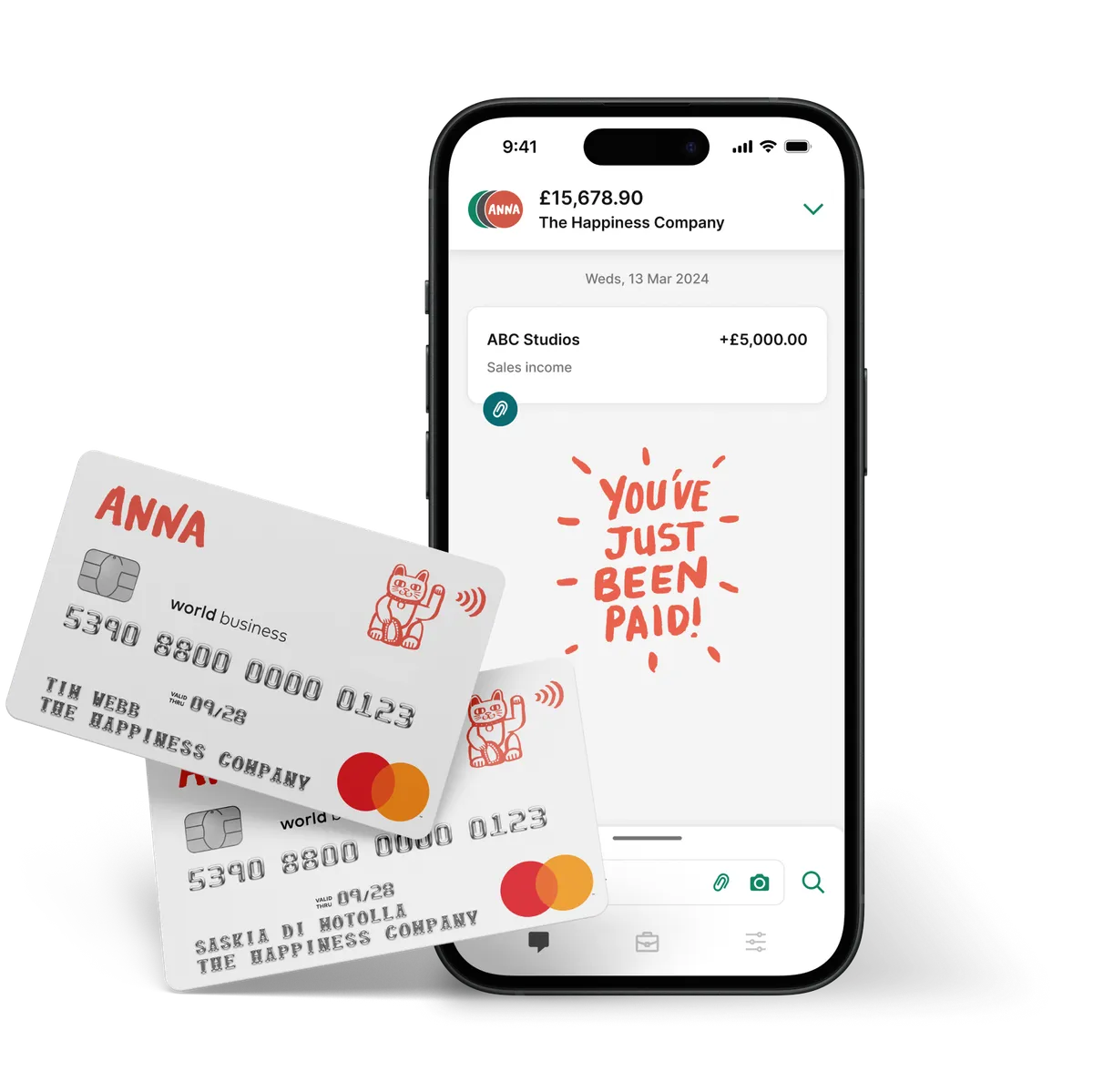
ANNA, which stands for “Absolutely No Nonsense Admin”, is designed to help businesses save time on financial administration. The platform combines business banking with integrated invoicing, expense tracking, receipt capture, bookkeeping support, and tax reminders. Many freelancers, consultants, and startups choose ANNA because it reduces the amount of manual admin required to manage finances.
One of the biggest advantages in the ANNA vs Monzo business account debate is ANNA’s automation ecosystem. Businesses can create invoices inside the app, track payments, categorise expenses automatically, and organise financial records more efficiently. This makes ANNA especially attractive for service-based businesses and entrepreneurs managing finances independently.
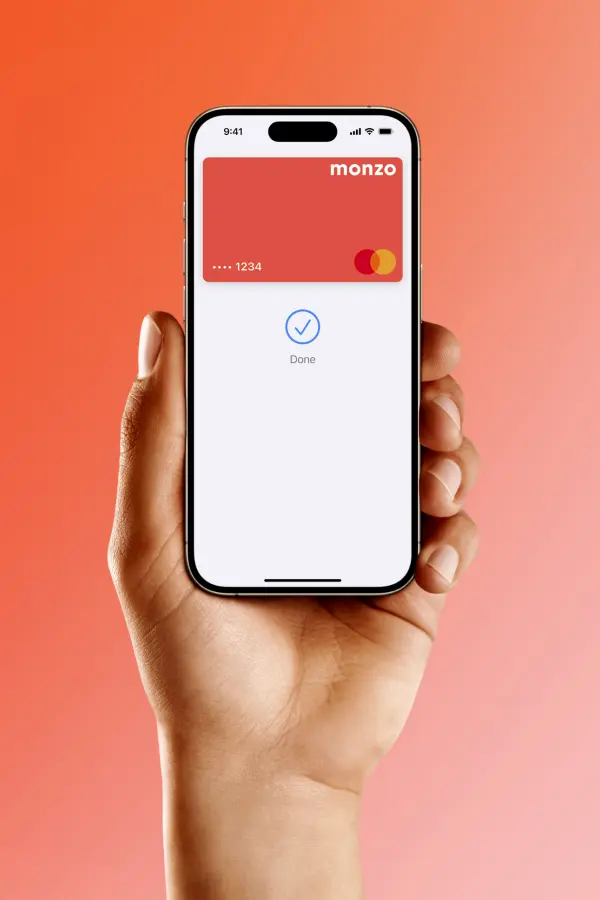
Monzo Business takes a slightly different approach. Originally known for its hugely successful personal banking app, Monzo expanded into business banking by focusing on simplicity, visibility, and real-time financial management. Its business account includes instant spending notifications, budgeting pots, cash flow tracking, and app-based spending controls.
In many Anna vs Monzo business banking discussions, Monzo is viewed as the more streamlined and beginner-friendly option. Small businesses often prefer Monzo because of its clean design and intuitive app experience, particularly if they want simple banking without advanced admin tools.
Another important area in the ANNA vs Monzo features comparison is onboarding speed. Both providers offer fully digital application processes that are significantly faster and simpler than many traditional high street business banks. Eligible businesses can often apply directly through the mobile apps without lengthy paperwork requirements.
When comparing ANNA vs Monzo business account options, it’s important to understand that neither platform is universally better for every business type. Companies needing invoicing automation and financial admin support may lean towards ANNA, while startups wanting simple budgeting tools and day-to-day banking visibility may prefer Monzo Business.
Ultimately, this Anna vs Monzo comparison comes down to workflow priorities, operational complexity, and how much financial automation your business needs from its banking provider.
ANNA vs Monzo Business Account Features
When comparing ANNA vs Monzo business account features, both providers offer strong digital banking tools for UK startups, freelancers, sole traders, and small businesses. However, the overall experience differs significantly depending on whether your business prioritises automation, bookkeeping support, or simple day-to-day banking management.
In this Anna vs Monzo comparison, ANNA positions itself as a business finance assistant designed to reduce administrative work. The platform combines business banking with invoicing, expense management, bookkeeping support, tax reminders, and automation tools that help businesses spend less time managing paperwork.
One of ANNA’s standout features is automated invoicing. Users can create branded invoices directly inside the app, send payment reminders automatically, and track invoice statuses in real time. For freelancers, consultants, agencies, and contractors, this functionality can save considerable time each month.
Receipt management is another major advantage in the ANNA vs Monzo features comparison. ANNA allows users to photograph receipts, categorise expenses automatically, and organise financial records for accounting purposes. This makes bookkeeping significantly easier for businesses handling regular operational spending.
Monzo Business, meanwhile, focuses more heavily on clean digital banking and cash flow visibility. The platform is known for its intuitive mobile app, real-time notifications, budgeting tools, and simplified financial management experience.
Many businesses choose Monzo because of its excellent user interface. Spending notifications appear instantly, transactions are automatically categorised, and budgeting pots allow businesses to separate money for taxes, payroll, supplier payments, or savings goals.
In the broader Anna vs Monzo business banking conversation, Monzo is often viewed as the simpler and more streamlined option, while ANNA is seen as the more operationally focused platform.
Both providers integrate with major accounting software platforms including Xero, QuickBooks, and FreeAgent. However, ANNA’s ecosystem is generally more focused on automating financial administration internally, whereas Monzo relies more heavily on external integrations.
Security tools are also strong across both providers. Users can freeze cards instantly, monitor account activity in real time, and manage spending directly through mobile apps.
Another important area in the ANNA vs Monzo business account discussion is cash handling. Monzo supports cash deposits through PayPoint locations, while ANNA offers alternative cash handling methods depending on account type and partner services.
International payments and foreign transaction capabilities also vary between providers, so businesses operating internationally should compare fees and exchange rate structures carefully before deciding.
Ultimately, the ANNA vs Monzo features comparison comes down to business priorities. Companies wanting automation, invoicing support, and bookkeeping functionality may prefer ANNA, while businesses wanting streamlined banking simplicity and budgeting visibility may lean towards Monzo Business.
Pricing and Monthly Fees
Pricing is one of the most important factors when choosing a business bank account, particularly for startups, freelancers, sole traders, and small businesses trying to control operational costs. In this ANNA vs Monzo comparison, both providers offer modern pricing structures designed for digital-first businesses, but there are important differences in how their plans are positioned.
ANNA offers multiple pricing tiers depending on the size and requirements of the business. Its lower-level plans are typically aimed at freelancers and sole traders, while more advanced packages target growing businesses that require invoicing automation, bookkeeping support, expense management, and tax-related tools.
One key factor in the ANNA vs Monzo business account discussion is that ANNA’s pricing reflects its broader operational finance functionality. Businesses are not simply paying for banking access — they are also paying for automation, invoicing tools, admin reduction, and integrated bookkeeping support.
For many startups and service-based businesses, this can provide strong overall value. Founders who spend significant time managing invoices, organising receipts, or preparing financial records may find that ANNA’s automation features save enough time each month to justify the subscription cost.
In the wider Anna vs Monzo business banking comparison, ANNA is often viewed as the stronger option for businesses prioritising operational efficiency rather than simply low-cost banking.
Monzo Business, meanwhile, offers a more accessible entry point for smaller businesses and startups through its Lite business account. This plan includes core banking functionality such as spending notifications, budgeting tools, tax pots, accounting integrations, and basic invoicing support without a monthly subscription fee.
This makes Monzo particularly attractive for early-stage startups and sole traders looking to minimise overheads during the first stages of business growth.
Monzo also offers paid Pro and Team plans, which unlock more advanced tools including multi-user access, expense management controls, collaboration features, and additional integrations. Businesses with employees or shared financial workflows may find these upgraded plans more suitable as they scale.
When comparing ANNA vs Monzo business account pricing, Monzo often appeals more strongly to cost-conscious businesses because of its free entry-level option. However, ANNA may offer better long-term value for businesses that would otherwise pay separately for invoicing software or bookkeeping support tools.
Another important area in the Anna vs Monzo comparison is operational costs beyond the monthly subscription itself. Businesses should also review:
- Cash deposit fees
- International payment charges
- ATM withdrawal fees
- Additional user access costs
- Card replacement charges
- Foreign transaction fees
- Accounting software integration costs
Scalability is also important. Some startups initially choose free business banking plans before later upgrading once financial operations become more complex. Evaluating future needs early can help businesses avoid migrating providers later.
In many ANNA vs Monzo features comparison discussions, ANNA is viewed as the better option for automation and admin efficiency, while Monzo is often preferred for affordable digital banking and clean app usability.
Ultimately, the right pricing structure depends on whether your business prioritises cost minimisation, financial automation, or long-term operational efficiency.
Who Is ANNA Best For?
ANNA is best suited to freelancers, sole traders, consultants, contractors, startups, and small businesses that want to automate financial admin and reduce the amount of time spent managing bookkeeping tasks manually. In this ANNA vs Monzo comparison, ANNA stands out as the more automation-focused platform, positioning itself as more than just a business current account.
While many digital banking providers focus primarily on payments and transactions, ANNA combines business banking with invoicing, expense tracking, bookkeeping support, receipt management, and tax-related admin tools. This makes it especially attractive for entrepreneurs who want an “all-in-one” finance management solution.
For freelancers handling multiple invoices every month, ANNA can provide major operational advantages. Users can create professional invoices directly inside the app, automate payment reminders, track overdue invoices, and monitor client payments in real time. This helps simplify billing workflows while reducing the need for separate invoicing software.
In the wider ANNA vs Monzo business account discussion, ANNA is often preferred by service-based businesses that manage finances independently and want to reduce administrative workloads.
Contractors, consultants, and agency owners also benefit from ANNA’s expense tracking functionality. Users can scan receipts through the app, categorise spending automatically, and organise financial records for bookkeeping and tax purposes. For business owners who dislike manual admin and paperwork, these tools can save significant time throughout the year.
Another major advantage in the Anna vs Monzo business banking comparison is ANNA’s focus on automation. Businesses can receive tax reminders, organise expenses automatically, and streamline financial admin processes that would otherwise require multiple software platforms.
Startups without dedicated finance teams may find ANNA particularly useful. Many early-stage founders manage finances themselves during the first stages of growth, and ANNA’s automation tools help reduce operational pressure while improving financial organisation.
ANNA can also work well for:
- Small agencies
- Digital businesses
- Consultants
- Online retailers
- Remote-first startups
- Sole traders
- Limited companies with simple operational structures
In many ANNA vs Monzo features comparison discussions, ANNA is viewed as the more feature-rich option because of its invoicing and bookkeeping functionality.
Compared with other fintech providers in the Anna vs Monzo comparison space, ANNA occupies a slightly different market position. While Monzo focuses heavily on simplicity and budgeting visibility, ANNA focuses more aggressively on reducing admin and improving operational efficiency.
Businesses that regularly chase unpaid invoices may gain especially strong value from ANNA’s automated reminders and invoice tracking systems. Reducing late payments alone can significantly improve cash flow management for small businesses.
However, ANNA may not be the ideal solution for every company. Businesses wanting a very simple banking experience with minimal operational features may prefer Monzo’s cleaner and more streamlined interface instead.
Larger companies requiring complex banking infrastructure, advanced international banking functionality, or branch-based support may also prefer more traditional banking providers.
Ultimately, ANNA is best for UK entrepreneurs who value automation, invoicing support, bookkeeping functionality, and integrated financial admin tools alongside their business banking experience.
Who Is Monzo Business Best For?
Monzo Business is best suited to startups, freelancers, sole traders, and small businesses that prioritise simplicity, budgeting visibility, and an intuitive digital banking experience. In this ANNA vs Monzo comparison, Monzo stands out as the more streamlined and user-friendly option for businesses wanting straightforward banking without complex financial admin tools.
Its clean app design and easy-to-use interface have helped Monzo become one of the UK’s most recognisable digital banking brands. Many business owners choose Monzo because it simplifies everyday money management while still offering modern features such as instant notifications, budgeting tools, and accounting integrations.
For freelancers and sole traders, Monzo’s real-time spending alerts and categorised transaction tracking provide excellent visibility over cash flow and operational spending. Businesses can monitor outgoing payments instantly, helping improve financial awareness and budgeting control.
One of the most popular features in the Anna vs Monzo business banking discussion is Monzo’s budgeting pots functionality. Users can separate funds for taxes, payroll, supplier payments, or savings directly within the app. This helps businesses stay organised and avoid accidentally spending money allocated for future liabilities.
In many ANNA vs Monzo business account comparisons, Monzo is viewed as the more beginner-friendly option. Businesses that do not require advanced invoicing automation or bookkeeping support often prefer Monzo’s simpler approach to digital business banking.
Another major advantage in the Anna vs Monzo comparison is Monzo’s free Lite business account. For early-stage startups and smaller businesses looking to minimise monthly costs, the ability to access core banking features without a subscription fee can be highly attractive.
The Lite account includes:
- Spending notifications
- Tax pots
- Accounting integrations
- Basic invoicing tools
- Cash flow visibility
- App-based banking controls
Businesses wanting additional functionality can upgrade to Monzo’s paid plans, which include features such as multi-user access, collaborative expense management, and enhanced admin controls for teams.
Monzo Business is also particularly attractive for existing Monzo personal banking users. Many entrepreneurs already familiar with the Monzo ecosystem find the transition into business banking extremely simple and intuitive.
In the wider ANNA vs Monzo features comparison, Monzo is frequently praised for app usability and overall customer experience. Businesses wanting a clean, modern banking interface often prefer Monzo over more feature-heavy alternatives.
Compared with other fintech providers in the ANNA vs Monzo business account space, Monzo competes strongly on accessibility and ease of use. The onboarding process is fast, the mobile app is polished, and the banking experience is intentionally designed to feel uncomplicated.
However, Monzo may not be the strongest option for businesses wanting deep financial automation. While it includes accounting integrations and basic invoicing support, it generally does not match ANNA’s automation capabilities for bookkeeping, expense management, and tax-related admin workflows.
Cash-heavy businesses should also carefully review deposit fees and cash handling limitations before opening an account. While Monzo supports cash deposits through PayPoint, regular cash deposits can become expensive depending on usage levels.
Ultimately, Monzo Business is ideal for UK entrepreneurs wanting fast setup, simple digital banking, budgeting tools, strong mobile usability, and an uncomplicated business banking experience.
Invoicing and Accounting Tools
When comparing ANNA vs Monzo business account functionality, invoicing and accounting tools are one of the biggest differentiators between the two platforms. While both providers support integrations with popular accounting software, ANNA places far greater emphasis on automation, invoicing workflows, and built-in financial administration tools.
In this Anna vs Monzo comparison, ANNA is designed specifically to reduce manual admin for business owners. One of its strongest features is integrated invoicing, allowing users to create branded invoices directly within the app, send them to clients, monitor payment statuses, and automate reminders for overdue invoices.
This functionality is particularly useful for freelancers, consultants, contractors, agencies, and service-based businesses that invoice clients regularly. Businesses managing recurring invoices often find ANNA’s automation tools valuable because they help reduce late payments and minimise time spent chasing clients manually.
Another major advantage in the ANNA vs Monzo business banking discussion is how beginner-friendly ANNA’s invoicing system feels. Users can generate invoices quickly, add payment links, track incoming payments automatically, and organise records inside a single platform.
Expense tracking is another area where ANNA performs strongly. Users can upload or photograph receipts directly through the mobile app, allowing transactions to be categorised automatically for bookkeeping purposes. This can simplify tax preparation significantly throughout the financial year.
In many ANNA vs Monzo features comparison discussions, ANNA is viewed as the stronger option for businesses wanting integrated bookkeeping and financial organisation support.
ANNA also includes tax reminders and financial organisation tools designed to help sole traders and limited companies stay on top of VAT obligations, expenses, and self-assessment preparation. For businesses without internal finance teams, these features can remove a substantial amount of stress.
Monzo Business also supports invoicing functionality and accounting integrations, but its approach is much more lightweight and banking-focused. Users can connect Monzo Business with platforms such as Xero, QuickBooks, and FreeAgent, allowing businesses to manage bookkeeping externally.
However, Monzo itself is not designed to replace dedicated bookkeeping software in the same way ANNA attempts to support operational finance management internally.
Monzo’s invoicing functionality is generally more basic compared to ANNA’s broader automation ecosystem. While suitable for many startups and freelancers, businesses sending large volumes of invoices may find Monzo’s workflow tools less advanced.
Where Monzo excels in the Anna vs Monzo business account comparison is simplicity. Businesses wanting straightforward digital banking combined with external accounting integrations may prefer Monzo’s cleaner structure and less feature-heavy environment.
Some startups already using accountants or third-party bookkeeping software may not require ANNA’s deeper financial administration tools. In these cases, Monzo’s streamlined banking experience may feel easier to manage day to day.
In the broader ANNA vs Monzo comparison, the difference largely comes down to workflow preferences. Businesses prioritising automation, invoicing efficiency, and bookkeeping support may gain more value from ANNA, while businesses prioritising simplicity and external accounting integrations may prefer Monzo Business.
Ultimately, the best option depends on whether your business wants integrated admin support and automation or cleaner digital banking alongside separate accounting software solutions.
Mobile App and User Experience
When comparing ANNA vs Monzo business account functionality, invoicing and accounting tools are one of the biggest differentiators between the two platforms. While both providers support integrations with popular accounting software, ANNA places far greater emphasis on automation, invoicing workflows, and built-in financial administration tools.
In this Anna vs Monzo comparison, ANNA is designed specifically to reduce manual admin for business owners. One of its strongest features is integrated invoicing, allowing users to create branded invoices directly within the app, send them to clients, monitor payment statuses, and automate reminders for overdue invoices.
This functionality is particularly useful for freelancers, consultants, contractors, agencies, and service-based businesses that invoice clients regularly. Businesses managing recurring invoices often find ANNA’s automation tools valuable because they help reduce late payments and minimise time spent chasing clients manually.
Another major advantage in the ANNA vs Monzo business banking discussion is how beginner-friendly ANNA’s invoicing system feels. Users can generate invoices quickly, add payment links, track incoming payments automatically, and organise records inside a single platform.
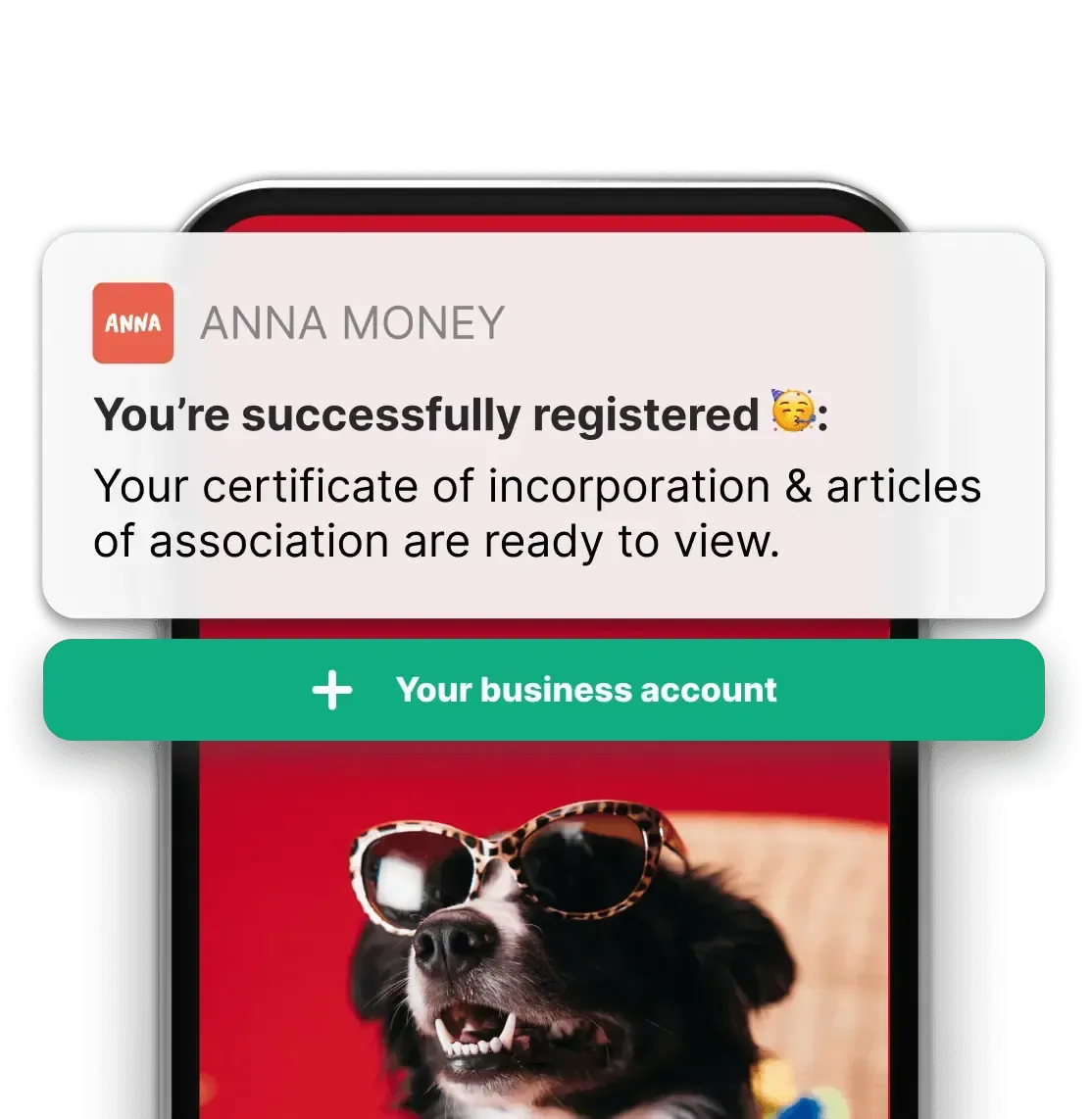
Expense tracking is another area where ANNA performs strongly. Users can upload or photograph receipts directly through the mobile app, allowing transactions to be categorised automatically for bookkeeping purposes. This can simplify tax preparation significantly throughout the financial year.
In many ANNA vs Monzo features comparison discussions, ANNA is viewed as the stronger option for businesses wanting integrated bookkeeping and financial organisation support.
ANNA also includes tax reminders and financial organisation tools designed to help sole traders and limited companies stay on top of VAT obligations, expenses, and self-assessment preparation. For businesses without internal finance teams, these features can remove a substantial amount of stress.
Monzo Business also supports invoicing functionality and accounting integrations, but its approach is much more lightweight and banking-focused. Users can connect Monzo Business with platforms such as Xero, QuickBooks, and FreeAgent, allowing businesses to manage bookkeeping externally.
However, Monzo itself is not designed to replace dedicated bookkeeping software in the same way ANNA attempts to support operational finance management internally.
Monzo’s invoicing functionality is generally more basic compared to ANNA’s broader automation ecosystem. While suitable for many startups and freelancers, businesses sending large volumes of invoices may find Monzo’s workflow tools less advanced.
Where Monzo excels in the Anna vs Monzo business account comparison is simplicity. Businesses wanting straightforward digital banking combined with external accounting integrations may prefer Monzo’s cleaner structure and less feature-heavy environment.
Some startups already using accountants or third-party bookkeeping software may not require ANNA’s deeper financial administration tools. In these cases, Monzo’s streamlined banking experience may feel easier to manage day to day.
In the broader ANNA vs Monzo comparison, the difference largely comes down to workflow preferences. Businesses prioritising automation, invoicing efficiency, and bookkeeping support may gain more value from ANNA, while businesses prioritising simplicity and external accounting integrations may prefer Monzo Business.
Ultimately, the best option depends on whether your business wants integrated admin support and automation or cleaner digital banking alongside separate accounting software solutions.
Step-by-Step: How to Open an Account
Opening a digital business bank account has become much faster and simpler in recent years, especially compared to traditional high street banks. In this ANNA vs Monzo comparison, both providers offer mobile-first onboarding processes designed to help startups, freelancers, sole traders, and small businesses get set up quickly with minimal paperwork.
If you are comparing ANNA vs Monzo business account setup processes, both platforms follow a similar structure, although verification requirements can vary depending on your business type, legal structure, and industry sector.
Step 1: Choose the Right Account Type
Before applying, you should decide which business structure you are operating under. Both ANNA and Monzo Business support sole traders and limited companies, although eligibility requirements may differ depending on the nature of your business.
Freelancers and self-employed professionals will usually apply as sole traders, while incorporated businesses will typically need Companies House registration details during the application process.
It is also important to compare pricing plans before applying. In the wider Anna vs Monzo business banking discussion, ANNA is generally preferred by businesses wanting invoicing automation and bookkeeping support, while Monzo often appeals more strongly to startups looking for low-cost digital banking.
Step 2: Download the Mobile App
Both providers operate primarily through app-based banking systems. Applicants must download either the ANNA app or Monzo Business app through the Apple App Store or Google Play Store.
Most of the onboarding process is completed digitally without the need for branch visits or physical paperwork.
In many ANNA vs Monzo features comparison discussions, both providers are praised for offering significantly simpler onboarding experiences than traditional business banks.
Step 3: Verify Your Identity
As regulated financial providers, both ANNA and Monzo Business must complete identity verification checks before accounts can be approved.
Applicants will usually need:
- A valid passport or driving licence
- Proof of identity
- Business information
- Companies House registration details (for limited companies)
- A smartphone camera for verification checks
Depending on your business type, additional compliance checks may occasionally be required.
Step 4: Submit Business Information
Businesses may need to provide information including:
- Business activities
- Expected annual turnover
- Industry sector
- Registered business address
- Director or owner information
Some industries may face enhanced verification procedures depending on financial regulations and risk assessments.
Step 5: Wait for Approval
Approval times vary depending on verification complexity and application volume. Some eligible businesses may receive approval relatively quickly, while others may require additional document reviews.
Once approved, users can access business banking features directly through the mobile app.
In the broader ANNA vs Monzo business account comparison, both providers perform strongly for onboarding speed compared to many traditional business banks.
Step 6: Activate Your Debit Card
After approval, businesses are usually sent a physical debit card by post. Users can activate the card inside the app and immediately begin making payments, tracking spending, and managing business expenses.
Both providers also offer app-based card controls, allowing businesses to freeze cards instantly and monitor transactions in real time.
Step 7: Connect Accounting Software
Businesses wanting automated bookkeeping support can connect accounting software platforms such as:
- Xero
- QuickBooks
- FreeAgent
This is especially valuable for startups and freelancers wanting automatic transaction syncing and improved financial organisation.
In many Anna vs Monzo comparison discussions, ANNA is viewed as the stronger option for integrated admin support and invoicing automation, while Monzo is generally preferred for simplicity and clean digital banking usability.
Compared with other fintech providers in the Anna vs Monzo business banking market, both accounts offer relatively fast setup processes with minimal paperwork requirements.
For businesses wanting the latest offers and eligibility information, you can check:
ANNA: https://startupdeals.co.uk/recommends/anna-money-business-current-account
Monzo Business: https://startupdeals.co.uk/recommends/monzo-business-account
ANNA vs Monzo for Small Businesses
Choosing between ANNA and Monzo Business depends largely on the type of business you run and how you manage financial operations daily. In this ANNA vs Monzo comparison, both providers perform strongly for startups and SMEs, but they are designed with different business priorities in mind.
ANNA is generally better suited to businesses wanting automation and operational support alongside banking services. The platform is especially popular with freelancers, consultants, agencies, contractors, and service-based businesses that issue invoices regularly and manage financial admin internally.
Its invoicing tools, receipt capture features, bookkeeping support, and tax reminders help reduce manual admin workloads significantly. Many business owners choose ANNA because it consolidates multiple financial tasks into one platform.
For startups without internal finance teams, ANNA’s automation features can provide major efficiency benefits. Businesses spending large amounts of time chasing invoices, organising receipts, or preparing records for accountants may find ANNA particularly valuable.
In the wider Anna vs Monzo business banking discussion, ANNA is often viewed as the stronger operational finance platform rather than simply a digital bank account.
Monzo Business, meanwhile, is often the preferred option for businesses wanting simplicity, budgeting tools, and a clean digital banking experience. Its app design is widely praised for usability and accessibility, making it especially attractive for first-time founders and smaller startups.
Monzo’s budgeting pots allow businesses to separate money into different categories, helping improve cash flow discipline and financial visibility. Instant spending notifications and categorised transactions also make day-to-day money management easier.
Businesses that already use external accounting software or work closely with accountants may not need ANNA’s deeper bookkeeping functionality. In these situations, Monzo’s simpler banking-first approach may feel easier to manage long term.
The ANNA vs Monzo business account decision often becomes a choice between automation and simplicity.
Choose ANNA if your business prioritises:
- Invoicing automation
- Bookkeeping support
- Expense management
- Tax reminders
- Financial admin reduction
- Operational efficiency
Choose Monzo Business if your business prioritises:
- Simplicity
- Budgeting visibility
- Real-time spending insights
- Easy app usability
- Low-cost digital banking
- Cash flow management
In many ANNA vs Monzo features comparison discussions, Monzo is praised for app experience, while ANNA is recognised for helping businesses reduce admin workloads.
Neither option is universally better for every business. The right choice depends on your company structure, operational complexity, and how much automation you need from your business banking provider.
Offers and Promotions
Both ANNA and Monzo Business occasionally provide promotional offers for new customers, making them even more appealing for startups, freelancers, and small businesses looking to reduce setup costs or gain additional value when opening an account.
When comparing ANNA vs Monzo business account incentives, it is important to understand that offers can change regularly depending on the provider’s marketing campaigns, eligibility criteria, and account types.
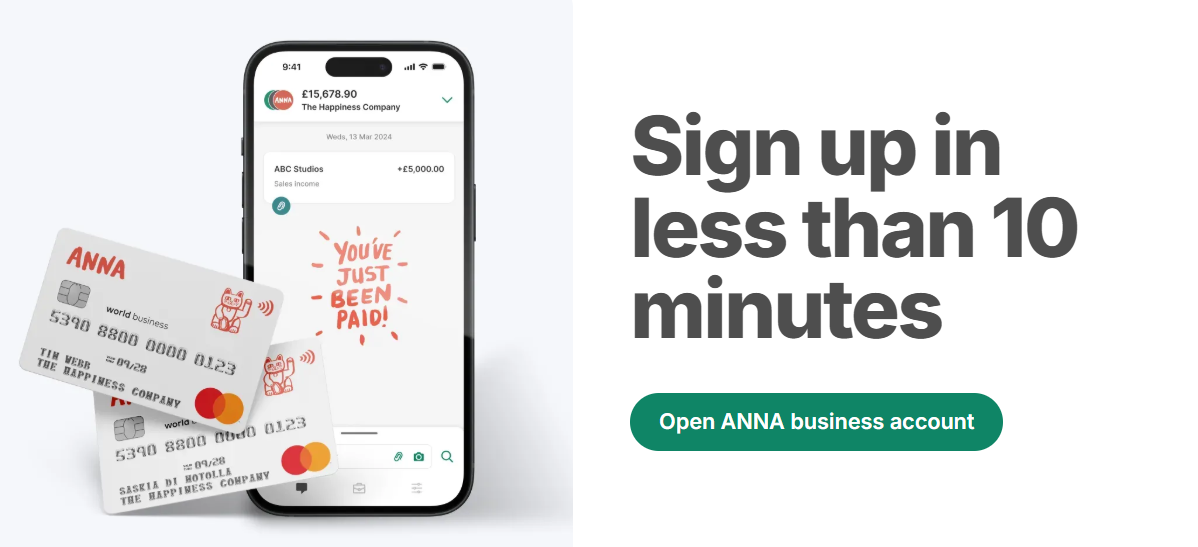
ANNA Offer: ANNA +Taxes Free 30-Day Trial
ANNA currently promotes access to its +Taxes functionality with a free 30-day trial for eligible new users. This feature is designed to help freelancers, sole traders, and small businesses simplify bookkeeping, invoicing, expense management, and tax-related administration.
The +Taxes package includes features such as:
- Automated expense categorisation
- Receipt capture and organisation
- Invoice management
- Tax reminders
- Financial admin automation
- Bookkeeping support tools
This offer is particularly useful for businesses wanting to reduce manual admin and streamline financial operations from day one.
Eligible businesses typically need to:
- Open a qualifying ANNA business account
- Complete account verification requirements
- Activate the account successfully
- Meet any current promotional eligibility rules
Businesses considering this offer should review the latest terms and conditions before applying.
You can check the latest ANNA offer here: https://startupdeals.co.uk/recommends/anna-money-business-current-account
Monzo Business Offer: Earn up to £50 Cashback*
Monzo Business currently offers eligible users the opportunity to earn up to £50 cashback after opening a qualifying business account and meeting promotional conditions.
The offer is designed to encourage new business customers to begin actively using their Monzo Business account shortly after opening.
Typical eligibility requirements include:
- Signing up as a sole trader or director of a limited company
- Operating a UK-based business
- Spending on the business debit card within 30 days
- Meeting qualifying transaction requirements
The following conditions are commonly referenced:
“Sign up for an account as a sole trader or director of a limited company. UK business only. Spend on your card within 30 days (excluding ATM and money transfers).”
Cashback amounts, deadlines, and eligibility rules may vary over time.
You can view the latest Monzo Business offer here: https://startupdeals.co.uk/recommends/monzo-business-account
Which Offer Provides Better Value?
The answer depends on your business priorities.
Businesses wanting long-term operational support and admin automation may gain stronger value from ANNA’s +Taxes free trial. The ability to simplify invoicing and bookkeeping workflows can potentially save many hours each month.
Meanwhile, startups wanting immediate financial incentives may prefer Monzo’s cashback-style promotion, particularly if they are already planning business spending shortly after opening the account.
In many ANNA vs Monzo features comparison discussions, promotional offers are viewed as secondary benefits rather than the primary reason for choosing a provider. The underlying banking experience and operational suitability should remain the main deciding factor.
Still, for new businesses trying to reduce startup costs, these promotions can provide useful additional value during the onboarding process.
Customer Support and Security
Customer support and account security are two of the most important considerations when choosing a digital banking provider. In this ANNA vs Monzo comparison, both platforms operate as app-first financial services with modern security infrastructure, real-time account monitoring, and digital customer support systems designed for startups and small businesses.
While pricing and features matter, businesses also need confidence that their banking provider can offer reliable support and strong account protection when operational issues arise.
In the wider ANNA vs Monzo business account discussion, Monzo is often recognised for its polished mobile experience and highly intuitive in-app support functionality. Businesses can contact customer support directly through the app without needing to visit physical branches, which many startups and freelancers find significantly more convenient than traditional banking systems.
Monzo also offers a wide range of app-based security controls designed to help businesses monitor account activity in real time.
Security features include:
- Instant payment notifications
- Card freezing and unfreezing functionality
- Fraud monitoring systems
- Secure app authentication
- Biometric login support
- Spending alerts and transaction monitoring
For many small businesses, freelancers, and sole traders, this level of visibility provides reassurance and helps detect suspicious activity quickly.
In many ANNA vs Monzo features comparison discussions, Monzo is praised heavily for app usability, banking simplicity, and overall customer experience quality.
ANNA also provides strong app-based support and security functionality. Businesses can manage cards, monitor spending activity, access support teams, and track transactions directly through the platform.
One area where ANNA often performs particularly well in the Anna vs Monzo business banking comparison is operational finance support. Businesses using ANNA’s invoicing, bookkeeping, and expense management tools may benefit from support teams that are more familiar with financial admin workflows and operational business processes.
For freelancers and startups managing finances internally, this can be especially useful when dealing with invoicing issues, bookkeeping queries, or financial organisation tasks.
Another important consideration in the ANNA vs Monzo business account comparison is accessibility during operational problems. Businesses relying heavily on digital banking platforms need confidence that issues such as failed payments, card problems, or account access difficulties can be resolved efficiently.
Unlike traditional high street banks, fintech banking providers such as ANNA and Monzo generally do not operate large branch networks. As a result, businesses comparing providers in the Anna vs Monzo comparison space often place significant importance on support responsiveness and in-app communication quality.
Both providers use regulated banking infrastructure and security protocols designed to protect customer data and sensitive financial information. However, businesses should always review the latest safeguarding arrangements, regulatory protections, and account security policies directly with providers before opening accounts.
For businesses comparing different fintech options, Monzo is generally viewed as the more polished banking platform from a usability perspective, while ANNA is often preferred for combining banking support with operational finance and admin functionality.
Ultimately, both providers offer strong digital banking security standards and modern customer support experiences. The better option depends on whether your business prioritises streamlined banking simplicity or broader financial admin support alongside business banking services.often viewed as the more polished banking app overall, while ANNA provides stronger operational finance support for admin-heavy businesses.
ANNA vs Monzo Final Verdict
Choosing between ANNA and Monzo Business ultimately comes down to how your business operates and which features matter most to your day-to-day workflow. In this ANNA vs Monzo comparison, both providers offer strong digital banking solutions for UK startups, freelancers, sole traders, and small businesses, but they are built around slightly different priorities.
ANNA stands out most clearly for automation, invoicing support, bookkeeping functionality, and operational finance management. Businesses that regularly invoice clients, organise receipts, manage expenses, or handle tax-related admin internally may gain substantial value from ANNA’s integrated ecosystem.
For freelancers, consultants, agencies, contractors, and service-based businesses, the ability to automate invoicing and reduce administrative workloads can save significant time every month. In the broader Anna vs Monzo business banking discussion, ANNA is often viewed as the stronger option for businesses wanting “all-in-one” financial admin support rather than simply a current account.
Another major strength in the ANNA vs Monzo features comparison is ANNA’s focus on reducing manual finance management. Features such as automated payment reminders, receipt categorisation, bookkeeping support, and tax reminders help simplify operational workflows for small businesses without dedicated finance teams.
Monzo Business, meanwhile, excels in simplicity, usability, and day-to-day banking visibility. Its mobile app is widely regarded as one of the strongest digital banking experiences in the UK fintech market, offering clean navigation, instant spending notifications, budgeting pots, and intuitive cash flow management tools.
Businesses wanting straightforward digital banking without overly complex operational features may prefer Monzo’s simpler approach. Startups with lighter financial admin requirements often appreciate the free Lite account, fast onboarding process, and highly polished app experience.
In many ANNA vs Monzo business account comparisons, the decision ultimately becomes a trade-off between automation and simplicity.
Choose ANNA if your business values:
- Automated invoicing
- Receipt management
- Bookkeeping support
- Tax reminders
- Financial admin automation
- Operational efficiency
Choose Monzo Business if your business values:
- Simplicity
- Budgeting visibility
- Real-time spending notifications
- Clean app usability
- Low-cost digital banking
- Easy cash flow management
In the wider Anna vs Monzo comparison space, Monzo is often viewed as the more polished banking platform from a user experience perspective, while ANNA differentiates itself through deeper invoicing and financial admin functionality.
Neither provider is universally better for every business. The right choice depends entirely on your operational workflows, growth plans, financial management style, and how much automation you want from your business banking provider.
You can explore the latest ANNA Business offer here: https://startupdeals.co.uk/recommends/anna-money-business-current-account
You can check the latest Monzo Business offer here: https://startupdeals.co.uk/recommends/monzo-business-account
General FAQs
Is ANNA better than Monzo for freelancers?
ANNA is often better for freelancers who need invoicing automation, receipt tracking, and bookkeeping support, while Monzo Business is stronger for simple everyday banking and budgeting visibility.
Is Monzo Business free?
Monzo Business offers a Lite business account with no monthly fee, although paid plans are available with additional features and admin controls.
Which is better in the ANNA vs Monzo business account comparison?
The best option depends on your business needs. ANNA focuses on admin automation, while Monzo focuses on streamlined banking usability.
Does ANNA support accounting software integrations?
Yes, ANNA integrates with popular accounting platforms including Xero, QuickBooks, and FreeAgent.
Does Monzo Business support invoicing?
Yes, Monzo Business includes invoicing functionality, although it is generally less advanced than ANNA’s automation-focused tools.
Is ANNA suitable for limited companies?
Yes, ANNA supports limited companies, freelancers, sole traders, and various UK small business structures.
Is Monzo Business good for startups?
Yes, Monzo Business is popular with startups because of its easy setup process, free Lite account, and strong budgeting tools.
What makes ANNA different from Monzo?
ANNA focuses heavily on automation, invoicing, bookkeeping, and tax-related admin support, while Monzo prioritises simple digital banking.
Which provider has the better app experience?
Many users consider Monzo to have the cleaner and more intuitive app experience, although ANNA offers more operational finance functionality.
Should FSCS protection matter when choosing between ANNA vs Monzo?
Yes, FSCS protection can be an important consideration in the ANNA vs Monzo comparison, particularly for businesses holding larger balances.
Offer FAQs
What is the ANNA +Taxes free 30-day trial?
The ANNA +Taxes free trial gives eligible users temporary access to invoicing, bookkeeping, receipt management, and tax support features.
Who can qualify for the ANNA offer?
Eligibility usually applies to qualifying UK freelancers, sole traders, startups, and limited companies opening a new ANNA business account.
Is the ANNA free trial available permanently?
No, promotional offers can change over time, so businesses should check the latest eligibility rules before applying.
What is the Monzo Business cashback offer?
Eligible Monzo Business users can earn up to £50 cashback after opening an account and completing qualifying card spending requirements.
Who qualifies for the Monzo cashback promotion?
The offer typically applies to UK sole traders and directors of limited companies meeting Monzo’s promotional conditions.
What spending qualifies for Monzo cashback?
Qualifying business card spending usually excludes ATM withdrawals and money transfers.
How quickly must Monzo spending requirements be completed?
Users generally need to complete qualifying card spending within 30 days of opening the account.
Can existing customers claim these offers?
Most promotions are designed for new customers only, although terms can vary depending on the campaign.
Are these offers guaranteed?
No, all offers are subject to eligibility checks, verification requirements, and current provider terms and conditions.
Where can I check the latest ANNA offer?
You can view the current ANNA offer here: https://startupdeals.co.uk/recommends/anna-money-business-current-account
Where can I check the latest Monzo Business offer?
You can view the current Monzo Business offer here: https://startupdeals.co.uk/recommends/monzo-business-account
Are promotional offers subject to change?
Yes, both ANNA and Monzo Business promotions can change, end, or be replaced without notice.
Recap
Choosing between ANNA and Monzo Business ultimately depends on the type of business you run and how you prefer to manage your finances. Throughout this ANNA vs Monzo comparison, both providers have demonstrated strong value for UK startups, freelancers, sole traders, and small businesses, but with different strengths and priorities.
ANNA is generally the stronger option for businesses wanting automation, invoicing support, bookkeeping tools, and reduced administrative workloads. Freelancers, consultants, contractors, agencies, and service-based businesses may benefit significantly from its invoice management, receipt tracking, expense categorisation, and tax-related support tools.
In the wider ANNA vs Monzo business account discussion, ANNA is often viewed as the more operationally focused platform because it combines business banking with financial admin functionality designed to save time and improve organisation.
Monzo Business, meanwhile, is ideal for startups and smaller businesses wanting straightforward digital banking with excellent usability. Its clean app interface, budgeting pots, real-time notifications, and spending visibility tools make it highly attractive for entrepreneurs who prioritise simplicity and easy cash flow management.
In many Anna vs Monzo business banking comparisons, the decision comes down to automation versus simplicity.
Businesses wanting integrated invoicing, bookkeeping support, and financial admin tools may gain greater long-term value from ANNA. Businesses wanting low-cost banking, clean budgeting functionality, and streamlined digital banking may prefer Monzo Business instead.
In the broader ANNA vs Monzo features comparison, Monzo is often praised for app experience and usability, while ANNA is recognised for helping businesses reduce manual admin workloads.
You can explore the latest ANNA Business offer here: https://startupdeals.co.uk/recommends/anna-money-business-current-account
You can explore the latest Monzo Business offer here: https://startupdeals.co.uk/recommends/monzo-business-account
Conclusion
For UK startups, freelancers, sole traders, and growing small businesses looking for modern business banking in 2026, both ANNA and Monzo Business offer compelling digital banking solutions. In this ANNA vs Monzo comparison, both platforms deliver strong mobile-first experiences, fast onboarding, accounting integrations, and business-friendly banking tools, but they are designed for different operational priorities.
ANNA stands out most clearly for automation, invoicing support, bookkeeping functionality, and financial admin management. Businesses that regularly invoice clients, track expenses, manage receipts, or handle tax-related admin internally may find ANNA especially valuable because of its integrated operational finance ecosystem. For consultants, contractors, agencies, and freelancers, the ability to automate invoicing and reduce manual admin can save significant time every month.
In many ANNA vs Monzo business account discussions, ANNA is viewed as the stronger option for businesses prioritising operational efficiency and financial workflow automation. Features such as automated payment reminders, receipt categorisation, bookkeeping support, and tax reminders help reduce administrative pressure for business owners managing finances themselves.
Monzo Business, meanwhile, excels in simplicity, app usability, budgeting visibility, and everyday digital banking management. Its clean interface, instant spending notifications, budgeting pots, and intuitive design make it one of the most accessible business banking apps available for UK startups and sole traders.
In the wider Anna vs Monzo business banking comparison, Monzo is often preferred by businesses wanting straightforward digital banking without unnecessary complexity, while ANNA is more commonly chosen by businesses wanting deeper financial admin support and automation features.
Neither provider is universally better for every business type. The right choice depends entirely on your financial workflows, operational complexity, and long-term business priorities. Businesses wanting automation, invoicing support, bookkeeping functionality, and admin reduction may find ANNA provides stronger long-term value. Businesses prioritising low-cost digital banking, budgeting tools, and clean app usability may prefer Monzo Business instead.
Latest Posts:
- Zempler Bank Review 2026: Is It Good Value for UK Startups?
 Introduction Zempler Bank offers a genuine UK business bank account from £0 per month, with app and online banking, Post Office cash deposits and built-in tools for invoicing, receipts and… Read more: Zempler Bank Review 2026: Is It Good Value for UK Startups?
 - Hoxton Mix vs Virtually There: Which Virtual Office Service Is Better?
 Introduction If you’re comparing Hoxton Mix vs Virtually There, you’re likely searching for a virtual office provider that offers the right balance of professionalism, affordability, and flexibility. Whether you’re launching… Read more: Hoxton Mix vs Virtually There: Which Virtual Office Service Is Better?
 - Hoxton Mix vs Icon Offices: Which Virtual Office Is Better?
 Introduction Choosing a virtual office provider can have a significant impact on how your business is perceived, how you manage your mail, and even how effectively you maintain privacy as… Read more: Hoxton Mix vs Icon Offices: Which Virtual Office Is Better?
 - 7 Powerful Benefits of Using a Hoxton Mix Virtual Office Address
 Introduction For startups, freelancers, sole traders and growing SMEs, establishing a professional business presence can be challenging. Renting physical office space in London is often expensive, particularly during the early… Read more: 7 Powerful Benefits of Using a Hoxton Mix Virtual Office Address
 - Hoxton Mix Review: Features, Pricing, Pros and Cons Explained
 Introduction If you’re searching for an honest and detailed hoxton mix review, you’re likely comparing virtual office providers and trying to decide whether Hoxton Mix offers good value for your… Read more: Hoxton Mix Review: Features, Pricing, Pros and Cons Explained
 - Hoxton Mix Virtual Office Discount: Save 10% on Your First 12 Months
 Introduction If you’re looking for a professional London business address without the cost of renting physical office space, a Hoxton Mix Virtual Office discount could help you reduce your startup… Read more: Hoxton Mix Virtual Office Discount: Save 10% on Your First 12 Months
 - Tide Referral Code 2026: Powerful Guide to Claim £200 Cashback with STARTUP200
 Introduction If you’re looking for a Tide referral code in 2026, you’re probably searching for the best possible deal before opening a business account. Whether you’re a sole trader, freelancer,… Read more: Tide Referral Code 2026: Powerful Guide to Claim £200 Cashback with STARTUP200
 - Tide vs High Street Banks: Powerful 2026 Review
 Introduction Choosing the right business banking solution is one of the most important decisions a UK business owner can make. Whether you’re a sole trader, freelancer, contractor, startup founder, or… Read more: Tide vs High Street Banks: Powerful 2026 Review
 - Tide Business Account for Tradespeople | Powerful Guide 2026
 Introduction Running a trade business involves much more than completing jobs and keeping customers happy. Whether you’re a plumber, electrician, builder, carpenter, roofer, landscaper, painter, heating engineer, or general contractor,… Read more: Tide Business Account for Tradespeople | Powerful Guide 2026