

Introduction
If you are searching for an honest FreeAgent review in 2026, you are probably looking for accounting software that simplifies bookkeeping, invoicing, expenses, tax returns, and financial admin without requiring expert accounting knowledge. For many UK freelancers, sole traders, startups, and growing SMEs, managing finances can quickly become time-consuming and stressful, especially when juggling client work, VAT submissions, payroll, and Making Tax Digital requirements.
That is exactly where FreeAgent aims to help. Designed specifically for UK businesses, FreeAgent accounting software has become one of the most recognised cloud accounting platforms for freelancers, contractors, and small business owners who want an easier way to manage business finances. Instead of relying on spreadsheets or complicated enterprise tools, FreeAgent bookkeeping software focuses on automation, usability, and clear financial visibility.
In this FreeAgent accounting software review, we will explore everything you need to know about FreeAgent for small business users in 2026, including pricing, features, invoicing tools, tax functionality, bank integrations, usability, customer support, and whether it offers good value compared to competitors like Xero and QuickBooks. We will also explain how FreeAgent for startups can help founders manage early-stage business finances while staying compliant with UK tax regulations.
If you want to try the software yourself, FreeAgent currently offers a 30-day free trial along with 50% off for 6 months when using referral code 4u0vezmj or signing up via https://startupdeals.co.uk/recommends/freeagent. Offers are subject to eligibility and may change over time.
One reason FreeAgent accounting software continues to grow in popularity across the UK is its balance between simplicity and functionality. Many accounting platforms either feel too basic or overwhelmingly complex, but FreeAgent bookkeeping software positions itself in the middle by offering tools suitable for everyday business management without excessive technical jargon.
Whether you are a freelancer invoicing clients monthly, a startup founder managing expenses, or an SME owner handling VAT and payroll, this review will help you decide whether FreeAgent for small business use is genuinely worth it in 2026.
Just use the FreeAgent referral code ‘4u0vezmj‘ when you subscribe
Contents
What Is FreeAgent?
FreeAgent Review: Core Features Explained
Who Is FreeAgent Best For?
Benefits of Using FreeAgent
How to Get Started With FreeAgent
FreeAgent Pricing in 2026
FreeAgent vs Competitors
FreeAgent Mobile App Review
FreeAgent for Tax and VAT Management
How FreeAgent Helps Startups
FreeAgent Free Trial and Discount Offer
General FAQs About FreeAgent
FAQs About the FreeAgent Offer
Recap
Conclusion
What Is FreeAgent?
FreeAgent is a UK-focused cloud accounting platform designed to help freelancers, sole traders, startups, contractors, landlords, and SMEs manage their business finances online. Since launching in the UK market, the software has positioned itself as an easier alternative to traditional accounting systems by focusing on automation, usability, and compliance with UK tax regulations.
Unlike older desktop accounting software that often required manual updates and technical knowledge, FreeAgent accounting software operates entirely in the cloud. This means users can access invoices, expenses, tax reports, and bank feeds from anywhere with an internet connection. For modern businesses operating remotely or across multiple locations, this flexibility is one of the platform’s biggest advantages.
One of the reasons FreeAgent bookkeeping software stands out in the UK market is its strong focus on small business simplicity. Many accounting platforms include advanced enterprise-level tools that smaller companies never actually use. FreeAgent instead prioritises practical features that solve everyday accounting challenges faced by freelancers and SMEs.
For example, FreeAgent accounting software includes tools for:
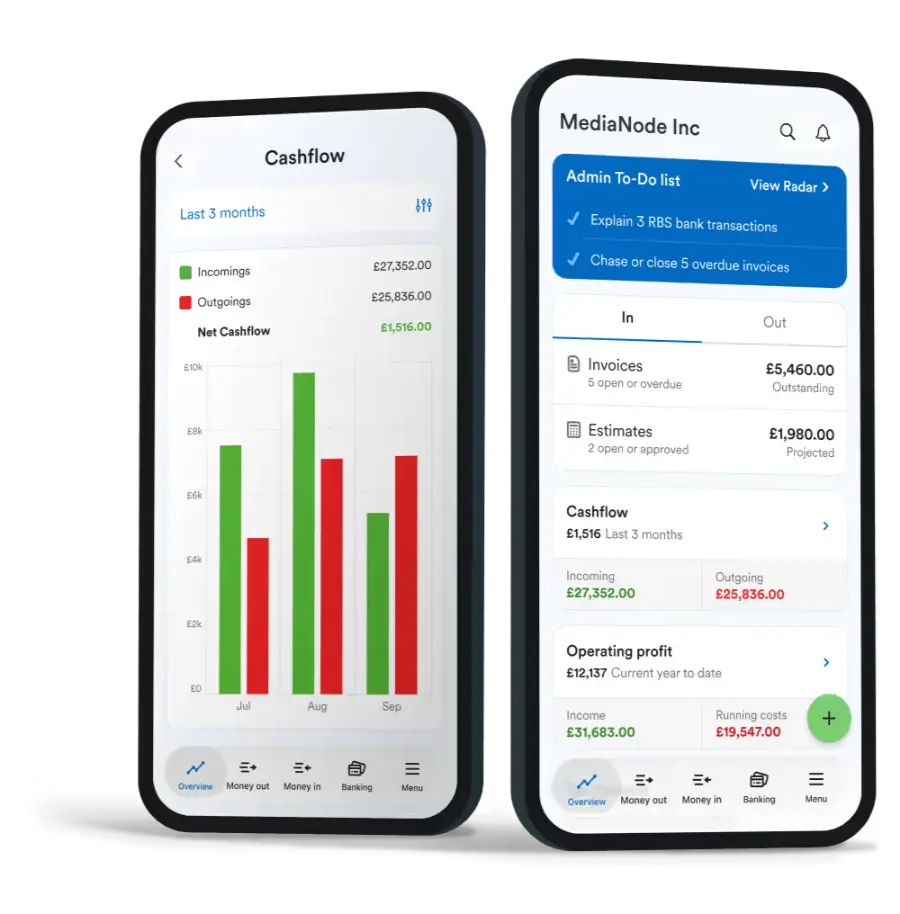
- Invoice creation
- Expense tracking
- Mileage logging
- VAT submissions
- Self Assessment preparation
- Corporation Tax estimates
- Payroll support
- Bank reconciliation
- Cash flow tracking
- Project profitability monitoring
This makes FreeAgent for small business users particularly appealing because it combines multiple accounting tasks into one manageable dashboard.
Another major benefit is the software’s compatibility with UK banking systems and Making Tax Digital requirements. As HMRC continues to digitise tax processes throughout 2026, businesses increasingly need compliant accounting software that supports electronic submissions and accurate financial reporting. FreeAgent bookkeeping software has built much of its reputation around helping businesses remain compliant without requiring specialist accounting expertise.
FreeAgent for startups is also becoming more common because early-stage founders often need affordable accounting tools that can scale as the business grows. Instead of hiring full-time finance staff immediately, startups can automate invoicing, expense management, and tax forecasting directly through the platform.
The software also integrates with several UK banks and fintech providers, making transaction imports and reconciliation easier. This reduces manual bookkeeping work and helps business owners maintain real-time visibility over company finances.
For users who value simplicity over complex accounting terminology, FreeAgent accounting software offers an approachable interface that avoids overwhelming dashboards and cluttered menus. This is especially valuable for freelancers and founders who do not come from financial backgrounds.
Businesses wanting to explore the platform can access the current promotion here: https://startupdeals.co.uk/recommends/freeagent
Overall, FreeAgent has evolved into one of the UK’s most recognisable accounting platforms by focusing heavily on usability, automation, and tax compliance for modern small businesses.
Just use the FreeAgent referral code ‘4u0vezmj‘ when you subscribe
FreeAgent Review: Core Features Explained
A detailed FreeAgent review would not be complete without exploring the platform’s core features and understanding how they support freelancers, startups, and SMEs in daily business operations. One of the biggest strengths of FreeAgent accounting software is that it combines essential accounting functions into a single platform while keeping the experience relatively simple for non-accountants.
At the centre of FreeAgent bookkeeping software is its invoicing functionality. Users can create branded invoices, automate recurring invoices, track unpaid payments, and send reminders directly through the platform. This is particularly useful for freelancers and consultants who invoice clients regularly and need clear visibility over outstanding payments.
Expense management is another area where FreeAgent for small business users performs well. Businesses can upload receipts, categorise spending, and connect bank accounts for automatic transaction imports. By reducing manual bookkeeping, businesses save significant administrative time each month.
Bank feeds are especially important because they help automate reconciliation. Instead of entering transactions manually, FreeAgent accounting software imports activity directly from connected business accounts. This creates a more accurate real-time financial overview and helps reduce bookkeeping errors.
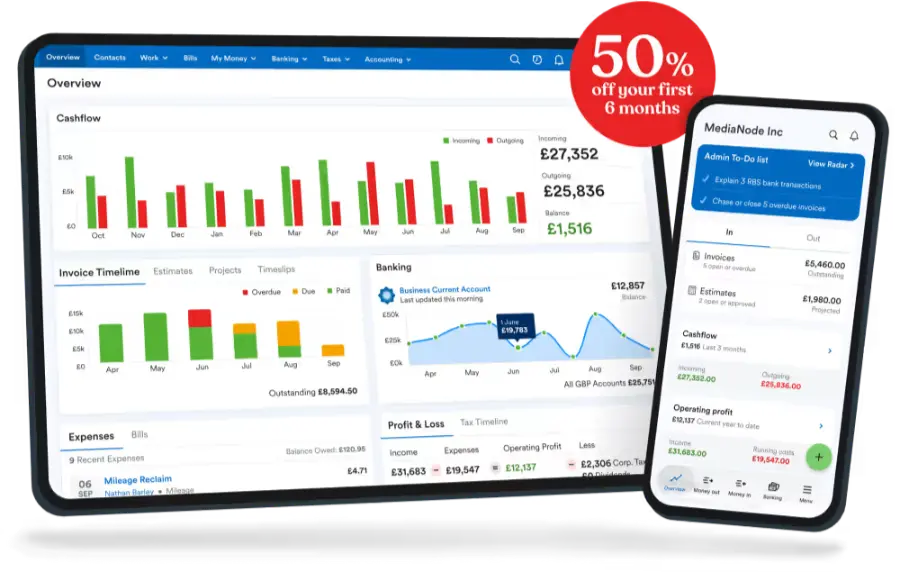
Cash flow visibility is another valuable feature within FreeAgent bookkeeping software. The dashboard provides instant access to upcoming invoices, tax liabilities, estimated corporation tax, VAT obligations, and projected cash balances. For startups and SMEs trying to manage unpredictable revenue cycles, this visibility can be extremely valuable.
FreeAgent for startups also includes project tracking tools, which allow businesses to monitor project profitability and understand where time and money are being spent. This can help founders identify profitable services, underperforming projects, and operational inefficiencies earlier.
Tax management is one of the platform’s strongest selling points. FreeAgent accounting software supports:
- VAT return submissions
- Self Assessment estimates
- Corporation Tax forecasting
- Making Tax Digital compliance
- Payroll calculations
- CIS support for eligible businesses
For many freelancers and SMEs, tax forecasting alone can justify the subscription cost because it reduces unexpected tax surprises throughout the financial year.
Another important advantage is mobile accessibility. Users can manage invoices, upload receipts, and track expenses directly from the mobile app, making FreeAgent bookkeeping software suitable for remote teams and mobile-first businesses.
The platform also integrates with a range of third-party tools including payment providers, CRM systems, and banking apps. These integrations improve workflow automation and reduce repetitive admin tasks for growing businesses.
While FreeAgent for small business users focuses heavily on simplicity, it still offers enough reporting functionality for most SMEs. Businesses can generate profit and loss reports, balance sheets, expense summaries, and tax overviews without requiring advanced accounting expertise.
Businesses interested in testing these features can access the latest offer here: https://startupdeals.co.uk/recommends/freeagent
Overall, FreeAgent accounting software succeeds by focusing on practical financial management tools rather than overwhelming users with unnecessary complexity. That balance is one of the main reasons FreeAgent bookkeeping software continues to perform strongly among UK freelancers, startups, and SMEs in 2026.
Who Is FreeAgent Best For?
One of the biggest strengths of FreeAgent accounting software is that it has been designed specifically for smaller UK businesses rather than large enterprises. While some accounting platforms try to cater to every possible business type, FreeAgent bookkeeping software focuses heavily on practical tools for freelancers, startups, sole traders, contractors, landlords, and SMEs that want straightforward financial management without unnecessary complexity.
For freelancers, FreeAgent for small business use can dramatically simplify invoicing, expense management, and tax forecasting. Many freelancers struggle with inconsistent cash flow and irregular client payments, so having real-time visibility over income and expenses is extremely valuable. FreeAgent accounting software helps freelancers stay organised while also reducing the risk of missing tax deadlines or underestimating liabilities.
Contractors are another major audience for FreeAgent bookkeeping software because the platform supports time tracking, project management, recurring invoices, and dividend calculations for limited companies. Contractors operating through personal service companies often need a balance between usability and compliance, and FreeAgent performs well in this area.
FreeAgent for startups is also increasingly popular because early-stage businesses often need affordable accounting tools that can scale alongside growth. Startup founders are usually managing multiple responsibilities at once, including sales, operations, hiring, and marketing. Accounting often becomes an afterthought until tax deadlines approach. FreeAgent accounting software reduces this burden by automating many everyday bookkeeping tasks.
For startup founders who are not financially experienced, the dashboard layout is particularly helpful because it provides simplified financial insights rather than overwhelming reports filled with technical accounting terminology. FreeAgent for startups also supports cash flow forecasting, which is essential for businesses trying to manage runway and operational costs during growth stages.
Small limited companies are another ideal fit for FreeAgent bookkeeping software. Businesses with a small number of employees often need payroll support, VAT management, invoice automation, and tax forecasting without paying enterprise-level software costs. FreeAgent accounting software provides these features in a more accessible format compared to some larger accounting platforms.
Landlords and property businesses may also benefit from FreeAgent for small business use because the software allows users to track rental income, expenses, and tax obligations in one centralised platform. This can simplify financial reporting and annual tax preparation.
However, FreeAgent bookkeeping software may not be ideal for every business type. Larger organisations with complex inventory requirements, advanced forecasting needs, or multi-entity accounting structures may eventually require more advanced enterprise accounting systems. Similarly, ecommerce businesses with extensive stock management needs may find alternative accounting platforms more suitable.
Despite these limitations, FreeAgent accounting software remains highly competitive for the majority of UK freelancers, consultants, startups, and SMEs seeking practical cloud accounting tools.
Businesses interested in trying the platform can explore the current 30-day free trial and 50% off for 6 months offer here: https://startupdeals.co.uk/recommends/freeagent
For many smaller businesses, the balance between usability, automation, and compliance is exactly what makes FreeAgent for startups and SMEs such an attractive accounting solution in 2026.
Just use the FreeAgent referral code ‘4u0vezmj‘ when you subscribe
Benefits of Using FreeAgent
There are several reasons why FreeAgent accounting software continues to perform strongly among UK freelancers, sole traders, and SMEs in 2026. While many accounting platforms focus heavily on advanced technical features, FreeAgent bookkeeping software prioritises simplicity, automation, and time-saving tools that solve real business problems.
One of the most important benefits is ease of use. Many business owners are not accountants and do not want to spend hours learning financial software. FreeAgent for small business users provides a clean dashboard, simplified navigation, and accessible reporting tools that make financial management less intimidating. This user-friendly design is one of the key reasons freelancers and startups often choose FreeAgent over more complex alternatives.
Automation is another major advantage. FreeAgent accounting software automates several repetitive accounting tasks, including bank transaction imports, invoice reminders, recurring invoices, and tax calculations. These automations reduce manual bookkeeping work while also helping minimise human error.
Time savings can be substantial, particularly for freelancers and startup founders managing multiple responsibilities simultaneously. Instead of spending hours manually reconciling transactions or calculating VAT obligations, FreeAgent bookkeeping software handles much of this work automatically.
Tax visibility is another standout benefit. One of the biggest challenges for small business owners is unexpected tax bills. FreeAgent accounting software helps reduce this risk by providing real-time estimates for VAT, Self Assessment, and Corporation Tax liabilities. This allows businesses to budget more effectively throughout the financial year.
FreeAgent for startups is especially valuable because cash flow forecasting tools help founders understand their financial position earlier. Many startups fail due to poor cash management rather than lack of revenue potential, so having accurate financial visibility can significantly improve operational decision-making.
Another major benefit is cloud accessibility. Because FreeAgent bookkeeping software is cloud-based, users can access financial information from laptops, tablets, or smartphones without relying on office-based systems. This flexibility is increasingly important for remote businesses and modern hybrid working environments.
The mobile app also improves convenience by allowing users to:
- Upload receipts instantly
- Send invoices remotely
- Track mileage
- Monitor expenses
- Check cash flow
- View overdue payments
For freelancers and consultants working on the move, these features can save significant administrative time.
FreeAgent accounting software also integrates with several UK banks and third-party services, improving workflow efficiency. Rather than managing disconnected systems, businesses can centralise bookkeeping, invoicing, and financial reporting in one place.
Customer support is another area where FreeAgent bookkeeping software generally receives positive feedback. Many users appreciate the UK-focused support team and educational resources available for small businesses navigating tax compliance and bookkeeping responsibilities.
For businesses wanting to test the software before committing, the current offer includes a free 30-day trial and 50% off for 6 months using referral code 4u0vezmj.
You can access the latest offer here: https://startupdeals.co.uk/recommends/freeagent
Overall, the biggest advantage of FreeAgent for small business users is that it simplifies accounting processes without stripping away essential financial tools. That balance continues to make FreeAgent for startups, freelancers, and SMEs one of the strongest accounting platforms available in the UK market.
How to Get Started With FreeAgent
Getting started with FreeAgent accounting software is relatively straightforward, which is one of the reasons the platform appeals to freelancers, startups, and SMEs looking for a simpler accounting solution. Unlike some accounting systems that require lengthy onboarding processes or specialist implementation support, FreeAgent bookkeeping software is designed to help users begin managing finances quickly.
The first step is creating an account through the FreeAgent website or through an eligible referral link. New users can currently access a 30-day free trial and receive 50% off for 6 months using referral code 4u0vezmj. Businesses can access the latest offer here: https://startupdeals.co.uk/recommends/freeagent
Once registered, users are guided through an onboarding setup that includes business type selection, VAT status, company details, and bank connection options. FreeAgent accounting software supports several UK business structures, including sole traders, limited companies, partnerships, and landlords.
Connecting your business bank account is one of the most important early steps because FreeAgent bookkeeping software uses bank feeds to automate transaction imports and reconciliation. This dramatically reduces manual data entry and provides a clearer overview of business finances from the beginning.
After bank feeds are connected, businesses can begin setting up invoices, recurring billing schedules, and expense categories. FreeAgent for small business users includes custom invoice templates, payment reminders, and online payment integrations that simplify client billing processes.
Users can also configure tax settings early in the setup process. FreeAgent accounting software supports VAT registration, Self Assessment forecasting, payroll functionality, and Corporation Tax estimates. Setting these features correctly during onboarding helps ensure more accurate financial reporting throughout the year.
Another useful feature is receipt capture. FreeAgent bookkeeping software allows users to upload receipts directly through the mobile app, making it easier to maintain accurate expense records without storing physical paperwork. This is especially useful for freelancers and startup founders working remotely or travelling frequently.
FreeAgent for startups also offers project management and time tracking tools that can be enabled during setup. Businesses providing client services can monitor billable hours, project profitability, and outstanding invoices in one dashboard.
One of the reasons onboarding is relatively accessible is that FreeAgent accounting software avoids excessive accounting jargon wherever possible. Instead of overwhelming users with technical financial terminology, the platform explains processes in a more approachable way. This is particularly valuable for business owners with limited bookkeeping experience.
For businesses migrating from another accounting platform, FreeAgent bookkeeping software also supports data imports for contacts, invoices, and banking information. While larger migrations may require accountant assistance, smaller businesses can usually transition relatively smoothly.
After setup is complete, users can customise dashboards, reporting preferences, invoice branding, and notification settings to suit their workflow.
Ultimately, FreeAgent for small business users is designed to reduce administrative complexity while helping businesses maintain compliance with UK tax obligations. The onboarding process reflects this philosophy by focusing heavily on simplicity, automation, and usability.
Just use the FreeAgent referral code ‘4u0vezmj‘ when you subscribe
FreeAgent Pricing in 2026
Pricing is one of the most important factors for freelancers, startups, and SMEs choosing accounting software, and FreeAgent accounting software continues to position itself competitively within the UK market in 2026. While some accounting platforms use heavily tiered pricing structures that become expensive as businesses grow, FreeAgent bookkeeping software aims to keep pricing relatively straightforward and predictable.
For many users, one of the biggest advantages of FreeAgent for small business use is that the platform includes a broad range of accounting features within a single subscription. Instead of charging separately for invoicing, tax forecasting, expense management, and reporting tools, FreeAgent accounting software bundles most essential features together.
This makes pricing easier to understand for freelancers and startup founders who want predictable monthly software costs without constantly upgrading plans to unlock basic functionality.
The platform currently offers a 30-day free trial for eligible new users, allowing businesses to test the software before committing financially. In addition, users signing up with referral code 4u0vezmj can receive 50% off for 6 months.
You can access the latest FreeAgent offer here: https://startupdeals.co.uk/recommends/freeagent
Compared to some competitors, FreeAgent bookkeeping software often appeals to businesses that value simplicity and inclusive pricing rather than highly segmented subscription tiers. Some accounting providers advertise low entry prices but restrict essential tools behind premium plans. FreeAgent accounting software generally includes most core features within the standard subscription.
These features include:
- Invoicing
- Expense tracking
- VAT management
- Corporation Tax forecasting
- Self Assessment estimates
- Bank feeds
- Payroll support
- Reporting tools
- Mobile access
- Project tracking
For freelancers and sole traders, this can represent strong value because there are fewer hidden upgrade costs as business needs evolve.
FreeAgent for startups is particularly attractive because early-stage businesses often need access to financial forecasting tools without committing to expensive enterprise accounting software. Founders can manage invoicing, monitor expenses, track cash flow, and prepare for tax liabilities through one central platform.
Businesses should still assess pricing carefully against their specific operational requirements. Companies requiring advanced inventory management, international multi-currency support, or complex enterprise reporting may eventually outgrow FreeAgent bookkeeping software and require more specialised solutions.
However, for the majority of UK freelancers, consultants, agencies, and SMEs, FreeAgent accounting software delivers a strong balance between affordability and functionality.
Another factor worth considering is the time-saving value provided by automation. While some businesses compare accounting software solely on monthly subscription costs, reducing manual bookkeeping hours can create substantial long-term savings. Automating reconciliation, invoicing, expense tracking, and tax calculations may significantly reduce administrative workload over time.
FreeAgent for small business users also benefits from the platform’s strong UK tax compliance focus, which helps businesses avoid costly accounting mistakes or missed reporting deadlines.
Ultimately, FreeAgent bookkeeping software offers pricing that aligns well with the needs of UK-based freelancers, startups, and SMEs seeking practical accounting functionality without unnecessary enterprise-level complexity.
FreeAgent vs Competitors
When comparing accounting software platforms in 2026, FreeAgent accounting software competes most directly with providers like Xero, QuickBooks, FreshBooks, and Sage. Each platform offers slightly different strengths, but FreeAgent bookkeeping software has developed a particularly strong reputation among UK freelancers, contractors, startups, and SMEs looking for simplicity and tax-focused functionality.
One of the main differences between FreeAgent accounting software and competitors like Xero is usability. Xero is often considered highly powerful and feature-rich, but some smaller businesses find the interface more complex than necessary. FreeAgent bookkeeping software focuses more heavily on accessibility and simplified workflows, making it easier for non-accountants to navigate.
For freelancers and sole traders, this simpler approach can significantly reduce onboarding friction and improve everyday usability.
QuickBooks is another major competitor. While QuickBooks offers extensive functionality and international scalability, some users prefer FreeAgent for small business accounting because of its cleaner dashboard and stronger UK tax integration. FreeAgent accounting software places a major emphasis on HMRC compliance and tax forecasting, which is especially valuable for UK businesses managing VAT and Self Assessment responsibilities.
FreshBooks is often popular with freelancers because of its invoicing tools and user-friendly design. However, FreeAgent bookkeeping software typically offers broader UK-specific accounting functionality, including Corporation Tax forecasting and stronger compliance support for limited companies.
Sage remains widely recognised in the UK accounting industry, particularly among established businesses. However, some smaller businesses consider Sage less intuitive than FreeAgent accounting software, especially for newer business owners with limited accounting experience.
One area where FreeAgent for startups performs particularly well is financial visibility. The dashboard provides clear overviews of upcoming tax liabilities, cash flow, invoices, and profitability without overwhelming users with unnecessary complexity.
FreeAgent bookkeeping software also integrates effectively with UK banking systems, improving reconciliation efficiency and reducing manual admin work.
That said, some competitors may outperform FreeAgent accounting software in specific areas. Businesses with highly advanced inventory requirements, international subsidiaries, or ecommerce-focused operations may find Xero or QuickBooks more scalable long term.
Similarly, companies requiring deep financial customisation or advanced reporting may eventually require enterprise-level accounting systems beyond what FreeAgent bookkeeping software is designed to provide.
For the majority of UK freelancers and SMEs, however, FreeAgent for small business use remains highly competitive because of its balance between simplicity, automation, affordability, and compliance.
Businesses considering a switch should evaluate:
- Ease of use
- Tax functionality
- Bank integrations
- Reporting requirements
- Scalability
- Pricing
- Customer support
- Mobile accessibility
Many users find that FreeAgent accounting software delivers the right balance between functionality and simplicity without becoming unnecessarily technical.
New users can explore the platform through the current 30-day free trial and 50% off for 6 months available here: https://startupdeals.co.uk/recommends/freeagent
Ultimately, the best accounting platform depends on the complexity of your business operations, but FreeAgent bookkeeping software continues to stand out strongly for UK freelancers, startups, and growing SMEs in 2026.
Just use the FreeAgent referral code ‘4u0vezmj‘ when you subscribe
FreeAgent Mobile App Review
Mobile accessibility has become increasingly important for modern businesses, and FreeAgent accounting software has continued improving its mobile functionality to support freelancers, founders, and SMEs working remotely throughout 2026. For many users, the ability to manage finances while travelling or working away from the office is now essential rather than optional.
The FreeAgent bookkeeping software mobile app is designed to simplify everyday accounting tasks directly from a smartphone or tablet. Instead of waiting until returning to a desktop computer, users can manage invoices, upload expenses, and monitor cash flow in real time.
One of the strongest features within the app is receipt capture. Users can photograph receipts immediately after purchases, reducing the risk of losing paperwork and making expense tracking significantly easier. This is particularly valuable for freelancers, contractors, and startup founders who travel frequently or incur regular business expenses throughout the week.
Invoice management is another useful mobile feature. FreeAgent for small business users can create invoices, monitor payment statuses, and send reminders directly through the app. For businesses operating remotely, this can improve payment speed and reduce administrative delays.
The app also supports mileage tracking, which is especially useful for consultants, sales professionals, and self-employed workers claiming travel expenses. Instead of manually logging journeys later, users can record mileage more efficiently while travelling.
Bank feed integration remains a core strength of FreeAgent accounting software across both desktop and mobile experiences. Businesses can monitor imported transactions, review cash flow updates, and track outstanding invoices directly from the app dashboard.
FreeAgent for startups particularly benefits from mobile access because founders often manage operations across multiple locations and devices. Having immediate access to financial information helps businesses make quicker operational decisions without needing constant desktop access.
Another advantage of the mobile app is visibility over upcoming tax liabilities. FreeAgent bookkeeping software allows users to review estimated VAT, Self Assessment, and Corporation Tax obligations from their mobile dashboard. This real-time financial visibility can help businesses avoid unexpected tax surprises.
The user interface remains relatively clean and approachable compared to some competing accounting apps. FreeAgent accounting software focuses heavily on usability, which is reflected in the app’s simplified navigation and accessible layout.
However, while the app handles many core accounting functions effectively, some advanced reporting and administrative tasks may still require desktop access. Businesses managing more complex financial workflows may prefer using the desktop platform for detailed reporting or account configuration.
Despite these limitations, the mobile app remains highly capable for day-to-day bookkeeping activities.
Businesses interested in testing the mobile features themselves can access the latest offer here: https://startupdeals.co.uk/recommends/freeagent
Overall, the FreeAgent bookkeeping software mobile app successfully supports the needs of modern freelancers, startups, and SMEs by making accounting tasks more flexible, accessible, and manageable while away from the office.
FreeAgent for Tax and VAT Management
Tax management remains one of the most valuable aspects of FreeAgent accounting software for UK businesses in 2026. Many freelancers, startups, and SMEs struggle with tax forecasting, VAT compliance, and HMRC deadlines, particularly when relying on spreadsheets or disconnected accounting tools. FreeAgent bookkeeping software aims to simplify these responsibilities through automation and real-time financial visibility.
One of the strongest advantages of FreeAgent for small business users is its focus on UK tax compliance. The software is built specifically for the UK market, which means features are designed around HMRC requirements rather than generic international accounting processes.
VAT management is a particularly important area. FreeAgent accounting software supports Making Tax Digital submissions, allowing eligible businesses to submit VAT returns directly to HMRC through the platform. This reduces manual paperwork while helping businesses remain compliant with digital reporting requirements.
FreeAgent bookkeeping software also calculates VAT automatically across invoices and expenses, reducing the risk of human error during financial reporting. For SMEs handling multiple invoices each month, this automation can save considerable administrative time.
Self Assessment forecasting is another standout feature. Freelancers and sole traders often struggle to estimate future tax obligations accurately, leading to cash flow issues when payments become due. FreeAgent accounting software helps solve this by providing real-time tax estimates throughout the year.
Corporation Tax forecasting is especially useful for limited companies and FreeAgent for startups users. Instead of waiting until year-end accounts are prepared, businesses can monitor estimated liabilities continuously and budget more effectively.
Payroll support is another benefit available through FreeAgent bookkeeping software. Eligible businesses can manage employee payroll, salary calculations, and pension contributions within the platform, helping centralise financial operations.
FreeAgent for startups also benefits from the software’s cash flow forecasting features because founders can better understand how upcoming tax liabilities may affect runway and operational planning.
Another advantage is integration with accountants. Many UK accountants already support FreeAgent accounting software, allowing businesses to collaborate more efficiently during tax preparation and year-end reporting.
Businesses can also store digital copies of receipts and expense records directly within FreeAgent bookkeeping software, helping simplify audit preparation and financial organisation.
While the platform works extremely well for most freelancers and SMEs, businesses with highly complex international tax structures may eventually require more specialised accounting systems. However, for the majority of UK-based small businesses, FreeAgent accounting software provides more than enough functionality for everyday tax management and compliance.
Businesses wanting to explore the platform’s tax features can access the latest offer here: https://startupdeals.co.uk/recommends/freeagent
Overall, FreeAgent for small business tax management remains one of the platform’s strongest competitive advantages, particularly for UK businesses seeking simplified compliance and clearer financial forecasting.
Just use the FreeAgent referral code ‘4u0vezmj‘ when you subscribe
How FreeAgent Helps Startups
Managing finances during the early stages of a business can be one of the biggest operational challenges for founders. Many startups operate with limited resources, unpredictable revenue, and small teams, which means founders often manage accounting alongside sales, marketing, customer support, and product development. This is one of the main reasons FreeAgent for startups has become increasingly popular across the UK in 2026.
FreeAgent accounting software is particularly well suited to startups because it combines simplicity with essential financial functionality. Instead of requiring dedicated finance staff from day one, startups can automate invoicing, expense tracking, tax forecasting, and bookkeeping through a single cloud-based platform.
Cash flow visibility is one of the most valuable benefits for startup founders. Many early-stage businesses fail because of poor cash management rather than lack of growth potential. FreeAgent bookkeeping software helps founders monitor outstanding invoices, upcoming tax liabilities, recurring expenses, and projected cash balances from one dashboard.
For startups with lean operational structures, this financial visibility can support better decision-making and reduce the likelihood of unexpected cash shortages.
FreeAgent for startups also simplifies investor readiness. Founders preparing for funding rounds often need clear financial reporting and organised bookkeeping records. FreeAgent accounting software allows businesses to generate profit and loss reports, expense summaries, and cash flow overviews without relying entirely on external accountants.
Another important advantage is invoice automation. Startups frequently work with clients, contractors, and suppliers on recurring billing schedules. FreeAgent bookkeeping software helps automate invoice creation, payment reminders, and recurring invoices, reducing manual admin work while improving payment collection speed.
Expense management is another area where FreeAgent for small business users performs strongly. Startup founders can upload receipts through the mobile app, categorise expenses, and connect business bank accounts for automatic reconciliation. This improves financial accuracy while reducing bookkeeping workload.
FreeAgent accounting software also helps startups prepare for UK tax obligations, including VAT, Self Assessment, and Corporation Tax. Early-stage founders often underestimate future tax liabilities, which can create serious cash flow problems later. Real-time tax forecasting within FreeAgent bookkeeping software helps businesses prepare more effectively throughout the financial year.
Another benefit is scalability. While startups may begin with relatively simple accounting needs, FreeAgent for startups can continue supporting business growth as revenue, clients, and operational complexity increase.
The platform also integrates with several UK banking and payment systems, helping startups centralise financial operations and improve workflow efficiency.
For founders without accounting experience, FreeAgent accounting software remains approachable and user-friendly compared to many enterprise accounting platforms. The simplified dashboard and reduced accounting jargon help founders understand financial performance more clearly.
New users can currently access a 30-day free trial and receive 50% off for 6 months using referral code 4u0vezmj.
Businesses can explore the latest offer here: https://startupdeals.co.uk/recommends/freeagent
Overall, FreeAgent bookkeeping software provides startups with a practical balance between automation, compliance, reporting, and usability, making it one of the strongest accounting solutions available for UK founders in 2026.
FreeAgent Free Trial and Discount Offer
One of the most attractive aspects of trying FreeAgent accounting software in 2026 is the availability of a free trial alongside a discounted subscription offer for eligible new users.
At the time of writing, new customers can access a 30-day free trial and receive 50% off for 6 months when signing up using referral code 4u0vezmj.
Businesses can access the current promotion here: https://startupdeals.co.uk/recommends/freeagent
This offer allows freelancers, sole traders, startups, and SMEs to explore FreeAgent bookkeeping software before committing to a paid subscription. The free trial provides access to the platform’s main accounting tools, including invoicing, expense tracking, bank feeds, VAT management, tax forecasting, and reporting functionality.
For businesses evaluating accounting platforms, this trial period is particularly valuable because it provides enough time to test workflows, connect bank accounts, upload receipts, create invoices, and assess overall usability.
The 50% off for 6 months discount can also help reduce initial software costs for smaller businesses and startups trying to manage operational expenses carefully.
To qualify for the offer, users generally need to:
- Be a new FreeAgent customer
- Register through an eligible referral link or referral code
- Complete account registration successfully
- Subscribe to an eligible paid plan after the trial period
Referral code:
4u0vezmj
Referral signup link: https://startupdeals.co.uk/recommends/freeagent
Businesses should review the latest terms and conditions directly through the signup page because promotions, eligibility rules, and pricing structures may change over time.
The free trial can be especially useful for businesses currently using spreadsheets or older desktop accounting systems. During the trial period, users can compare FreeAgent accounting software against their current processes and evaluate whether automation features provide meaningful time savings.
FreeAgent bookkeeping software may also appeal to businesses migrating from competitors such as Xero, QuickBooks, or FreshBooks. Testing the platform before fully switching accounting systems helps reduce migration risk and allows businesses to evaluate reporting tools, bank integrations, and mobile functionality in real-world conditions.
Another important consideration is onboarding support. During the trial period, businesses can explore help resources, customer support options, and accountant collaboration features before deciding whether the platform fits long-term operational needs.
For startups and SMEs, the combination of automation, UK tax compliance, and accessible reporting often makes the trial worthwhile even if businesses are still comparing multiple accounting solutions.
As with any financial promotion, offers remain subject to change—check current T&Cs.
Ultimately, the free trial and discount offer provide a low-risk way for businesses to explore whether FreeAgent for small business accounting aligns with their operational and financial management requirements.
Just use the FreeAgent referral code ‘4u0vezmj‘ when you subscribe
General FAQs About FreeAgent
Is FreeAgent good for freelancers?
Yes, FreeAgent accounting software is highly popular among UK freelancers because it simplifies invoicing, bookkeeping, expenses, and tax forecasting in one platform.
Does FreeAgent support VAT returns?
Yes, FreeAgent bookkeeping software supports VAT submissions through Making Tax Digital integration with HMRC.
Is FreeAgent suitable for startups?
FreeAgent for startups works well because it offers cash flow forecasting, invoice automation, and tax management tools for growing businesses.
Can FreeAgent connect to UK business bank accounts?
Yes, FreeAgent accounting software integrates with many UK banks and fintech providers for automated transaction imports and reconciliation.
Does FreeAgent offer payroll functionality?
Yes, FreeAgent bookkeeping software includes payroll support for eligible UK businesses.
Is FreeAgent easy to use for beginners?
Yes, FreeAgent for small business users focuses heavily on simplicity and usability, making it suitable for non-accountants.
Can I use FreeAgent on mobile?
Yes, FreeAgent accounting software includes a mobile app for invoices, expenses, receipt uploads, and cash flow monitoring.
Does FreeAgent support sole traders?
Yes, FreeAgent bookkeeping software supports sole traders, freelancers, contractors, landlords, and limited companies.
Is FreeAgent cloud-based?
Yes, FreeAgent for startups and SMEs operates entirely in the cloud, allowing remote access from multiple devices.
Does FreeAgent calculate Corporation Tax?
Yes, FreeAgent accounting software includes Corporation Tax forecasting for eligible limited companies.
FAQs About the FreeAgent Offer
What is the current FreeAgent offer in 2026?
New eligible customers can currently receive 50% off for the first 6 months, followed by an additional ongoing 10% referral discount when signing up through an eligible referral link or referral code.
How do I access the FreeAgent discount offer?
By using referral code 4u0vezmj during signup or sign-up via the following link: https://startupdeals.co.uk/recommends/freeagent
What referral code should I use?
Use referral code: 4u0vezmj
How does the 50% discount work?
Eligible new FreeAgent bookkeeping software customers receive 50% off their first 6 monthly subscription payments or their first annual subscription period, depending on the selected plan.
Does the 10% referral discount apply immediately?
According to FreeAgent support, the 50% promotional discount is applied first. Once the initial promotional period ends, the ongoing 10% referral discount is then applied to future eligible subscriptions.
Can I combine the 50% offer and referral discount?
Yes. FreeAgent support has confirmed that eligible users first receive the 50% introductory discount and then continue receiving the 10% referral discount afterwards, provided both accounts remain active subscribers.
Is the offer available for startups?
Yes, FreeAgent for startups is eligible for the current introductory promotion if the business qualifies as a new customer.
Can freelancers use the FreeAgent referral code?
Yes, freelancers, sole traders, contractors, and eligible SMEs can typically use referral code 4u0vezmj during signup.
How long does the 50% discount last?
The introductory FreeAgent accounting software discount currently lasts for 6 months on eligible monthly plans or applies to the first eligible annual subscription term.
Does the 10% discount continue permanently?
According to FreeAgent support, the 10% referral discount can continue after the initial 50% promotion ends, provided both the referrer and referee maintain active FreeAgent accounts.
Do I need to start with the free trial first?
Most eligible users can begin with the FreeAgent bookkeeping software 30-day free trial before moving onto a discounted paid subscription.
Can existing customers use the referral offer?
The promotion is generally intended for new FreeAgent accounting software customers only.
Is the FreeAgent offer available in the UK?
Yes, FreeAgent for small business users is primarily focused on UK-based businesses and UK tax compliance requirements.
Are all features included during the trial?
Most core FreeAgent accounting software tools are generally available during the free trial period, including invoicing, expenses, VAT management, and reporting features.
Where can I sign up for the latest FreeAgent promotion?
You can sign up for the latest FreeAgent accounting software offer here: You can sign up for the latest FreeAgent accounting software offer here: https://startupdeals.co.uk/recommends/freeagent or use the referral code ‘4u0vezmj’ upon signup.
Recap
Choosing the right accounting platform can have a major impact on how efficiently a business operates, particularly for freelancers, startups, sole traders, and SMEs managing finances without dedicated finance teams. This FreeAgent review has explored how the platform simplifies bookkeeping, invoicing, expense management, tax forecasting, and financial reporting for UK businesses in 2026.
One of the biggest strengths of FreeAgent accounting software is its balance between usability and functionality. Rather than overwhelming users with enterprise-level complexity, the platform focuses on practical accounting tools that help businesses save time and maintain compliance with HMRC requirements.
FreeAgent bookkeeping software performs especially well for businesses looking for:
- Simple cloud accounting
- Automated bookkeeping
- VAT management
- Corporation Tax forecasting
- Invoice automation
- Mobile accounting access
- Real-time cash flow visibility
- UK-focused tax compliance
For freelancers and sole traders, FreeAgent for small business use can significantly reduce administrative workload while improving financial visibility throughout the year. For startups, the combination of automation, reporting, and tax forecasting helps founders manage growth more effectively without relying heavily on spreadsheets or manual bookkeeping.
The platform also compares well against competitors such as Xero, QuickBooks, and FreshBooks, particularly for businesses prioritising simplicity and UK tax integration.
New users can currently explore the software through a 30-day free trial and receive 50% off for 6 months using referral code 4u0vezmj.
You can access the latest offer here: https://startupdeals.co.uk/recommends/freeagent
Ultimately, FreeAgent accounting software remains one of the strongest cloud accounting solutions available for UK freelancers, startups, and SMEs looking for a more manageable way to handle business finances in 2026.
Conclusion
After reviewing the platform in detail, it is clear that FreeAgent accounting software continues to be one of the most practical and user-friendly accounting solutions available for UK freelancers, startups, sole traders, and SMEs in 2026.
This FreeAgent review highlights several areas where the platform performs particularly well, including automation, tax forecasting, invoicing, expense tracking, and overall usability. Unlike many accounting systems that become unnecessarily technical or overwhelming for smaller businesses, FreeAgent bookkeeping software focuses on making financial management more accessible for everyday users.
For freelancers and consultants, the platform offers excellent tools for invoicing, expense management, and Self Assessment preparation. For growing companies, FreeAgent for small business use provides strong visibility over cash flow, VAT obligations, payroll, and business performance. Meanwhile, FreeAgent for startups delivers practical forecasting and reporting functionality that can support better financial decision-making during growth stages.
The cloud-based setup and mobile accessibility also make FreeAgent accounting software highly suitable for modern remote businesses that need flexible access to financial data across multiple devices.
While larger enterprises with highly advanced accounting requirements may eventually require more specialised systems, FreeAgent bookkeeping software remains exceptionally well positioned for the majority of UK small businesses seeking a balance between simplicity, compliance, and automation.
You can access the latest offer here: https://startupdeals.co.uk/recommends/freeagent
The current 30-day free trial and 50% off for 6 months discount also provide a low-risk opportunity for businesses to evaluate the platform before committing financially.
Referral code: 4u0vezmj
As always, offers and eligibility requirements remain subject to change, so businesses should review the latest terms directly through the signup page.
Overall, if you are looking for a modern, UK-focused accounting platform that simplifies bookkeeping and financial management without unnecessary complexity, FreeAgent accounting software is absolutely worth considering in 2026.
Just use the FreeAgent referral code ‘4u0vezmj‘ when you subscribe
- Zempler Bank Review 2026: Is It Good Value for UK Startups?
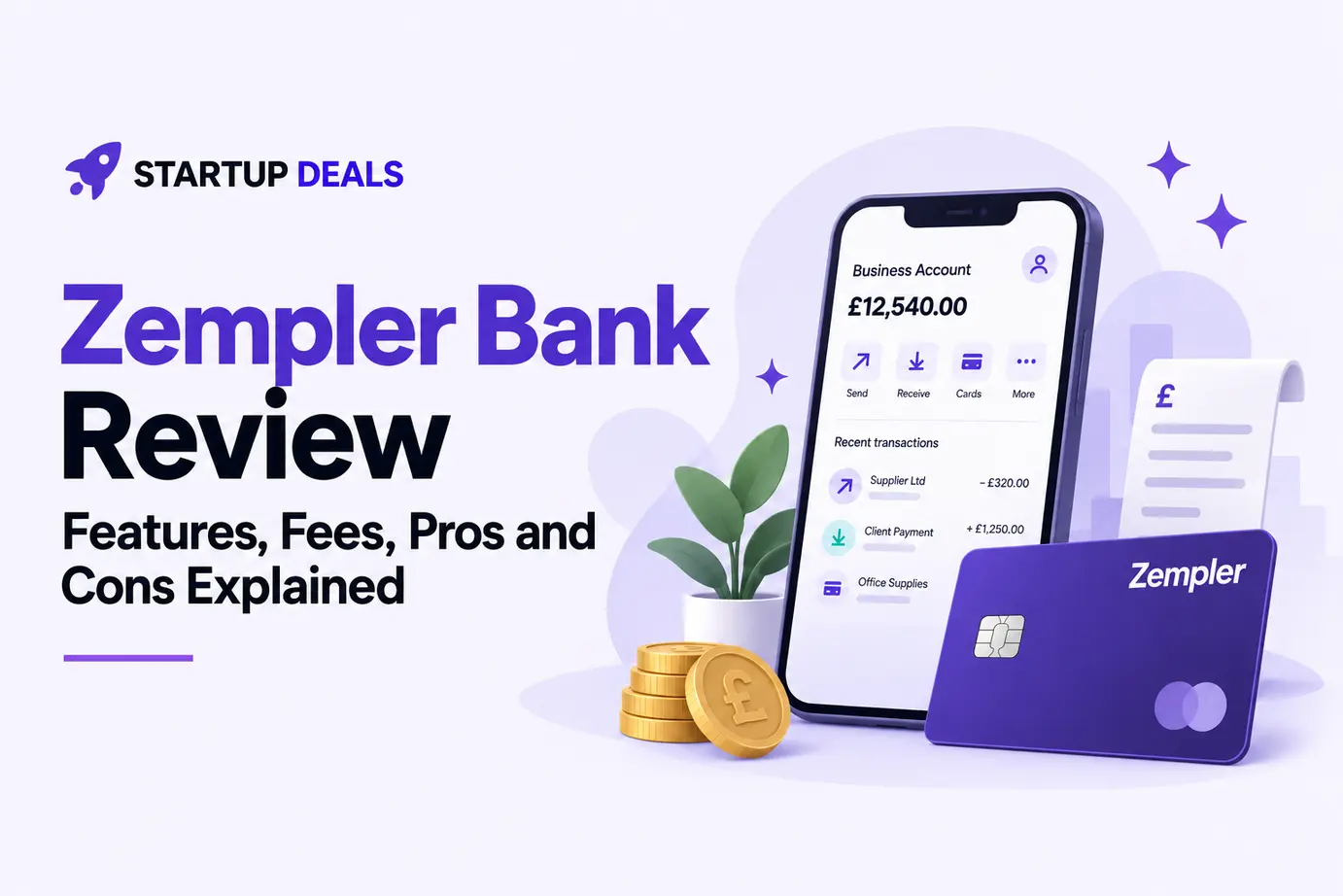 Introduction Zempler Bank offers a genuine UK business bank account from £0 per month, with app and online banking, Post Office cash deposits and built-in tools for invoicing, receipts and… Read more: Zempler Bank Review 2026: Is It Good Value for UK Startups?
 - Hoxton Mix vs Virtually There: Which Virtual Office Service Is Better?
 Introduction If you’re comparing Hoxton Mix vs Virtually There, you’re likely searching for a virtual office provider that offers the right balance of professionalism, affordability, and flexibility. Whether you’re launching… Read more: Hoxton Mix vs Virtually There: Which Virtual Office Service Is Better?
 - Hoxton Mix vs Icon Offices: Which Virtual Office Is Better?
 Introduction Choosing a virtual office provider can have a significant impact on how your business is perceived, how you manage your mail, and even how effectively you maintain privacy as… Read more: Hoxton Mix vs Icon Offices: Which Virtual Office Is Better?
 - 7 Powerful Benefits of Using a Hoxton Mix Virtual Office Address
 Introduction For startups, freelancers, sole traders and growing SMEs, establishing a professional business presence can be challenging. Renting physical office space in London is often expensive, particularly during the early… Read more: 7 Powerful Benefits of Using a Hoxton Mix Virtual Office Address
 - Hoxton Mix Review: Features, Pricing, Pros and Cons Explained
 Introduction If you’re searching for an honest and detailed hoxton mix review, you’re likely comparing virtual office providers and trying to decide whether Hoxton Mix offers good value for your… Read more: Hoxton Mix Review: Features, Pricing, Pros and Cons Explained
 - Hoxton Mix Virtual Office Discount: Save 10% on Your First 12 Months
 Introduction If you’re looking for a professional London business address without the cost of renting physical office space, a Hoxton Mix Virtual Office discount could help you reduce your startup… Read more: Hoxton Mix Virtual Office Discount: Save 10% on Your First 12 Months