
Starting a business in the UK is an exciting and rewarding journey. However, your business’s financial health will play a critical role in its long-term success. One of the most essential steps for any startup is ensuring proper financial management from the outset.
Opening a UK business bank account is a key part of this process. Not only does it help you keep your finances organized, but it also provides your business with credibility. Additionally, it allows you to track income and expenses effectively and ensures compliance with tax laws.
Whether you’re looking to open a startup business bank account or a business current account, choosing the right provider is crucial. The right account can have long-lasting effects on your operations, making it easier to manage cash flow, access funding, and make informed financial decisions.
We’ll break down what a business account is, why it’s essential, the process for opening one, and the best providers for UK startups.
Contents
- What Is a Business Bank Account?
- Why Your Startup Needs a Business Bank Account and How to Open a UK Business Bank Account
- Who Should Open a UK Business Bank Account?
- Pros and Cons of a Business Current Account
- Step-by-Step: How to Open a Business Account UK
- Top UK Business Bank Account Providers for UK Startups
- Tips for Choosing the Right Business Current Account
- Business Current Account Fees: What to Expect
- Common Mistakes to Avoid When Opening a Business Current Account
- FAQs about a Business Current Account
- Recap: Why a Business Current Account Matters
- Final Thoughts: Take the First Step
What Is a Business Bank Account?
A business bank account is an essential tool for A business bank account is an essential tool for managing a business’s financial transactions. It is designed specifically for businesses to help keep personal and business finances separate. It allows for easier tracking of business-related expenses, making it simpler for tax filings. Whether you’re opening a startup business bank account as a freelancer or setting up a business current account for your limited company, choosing the right provider is critical. It is separate from your personal bank account and enables you to perform several key tasks, including:
- Receiving payments from clients and customers
- Paying suppliers, employees, or taxes
- Setting up direct debits and standing orders for regular payments
- Tracking and managing cash flow using invoicing, budgeting, and business tools
- Building your business credit history, which is crucial for accessing future funding
There are also several types of business accounts. A business current account is the most commonly used type for day-to-day financial transactions, while a business savings account can be used for setting aside funds for future expenses or emergencies. Some business accounts also offer additional features, such as multi-currency support for international businesses, invoicing tools for easier billing, and credit facilities to help manage cash flow or cover unexpected expenses.
Why Your Startup Needs a Business Bank Account and How to Open a UK Business Bank Account
As a startup, having a business account offers several benefits. These go beyond just managing your finances. Here’s why every startup should consider opening a business bank account:
Legal and Tax Compliance
For limited companies, maintaining a separate business account is legally required. This separation ensures clear distinctions between personal and business finances, which is crucial for accurate tax filings. HMRC (Her Majesty’s Revenue and Customs) strongly advises that all businesses, including sole traders, separate their finances to ensure correct tax reporting.
For sole traders, while it’s not a legal requirement, having a business account is highly beneficial. It helps you track business-related expenses, such as marketing costs, equipment, and travel, without mixing them with personal expenses. This makes it much easier to complete your Self-Assessment tax return or manage VAT if applicable.
Professionalism and Trust
Clients, customers, and suppliers are more likely to trust your business if they see payments being made to a business account instead of a personal account. It establishes a sense of professionalism and legitimacy. For instance, many clients are hesitant to pay a personal account for business services, as it doesn’t seem official. In contrast, when you have a business current account, payments are made directly to a professional account, which can inspire confidence and increase your credibility.
Simpler Accounting and Tax Returns
Using a business account makes bookkeeping easier by keeping all business-related transactions in one place. It simplifies VAT returns, Self-Assessment, and corporate tax filings. You can easily track expenses, categorize them, and link your account to accounting software like QuickBooks or Xero.
Access to Business Tools
Business accounts often come with additional tools that help startups manage their finances more efficiently. These tools can include invoicing and expense tracking, tax reminders, and financial reports. These features can help automate and streamline administrative tasks.
Eligibility for Funding
Many lenders and investors require startups to have a business account before approving loans, credit lines, or investment opportunities. Having a business account helps establish your company’s credit history and increases your chances of securing funding.
Who Should Open a UK Business Bank Account?
Here’s a breakdown of different types of businesses and whether they should open a business bank account. While it is legally required for limited companies, many other types of businesses benefit greatly from having a business account.
Sole Traders – Not legally required, but strongly recommended. Having a startup business bank account as a sole trader helps separate business income and expenses from personal finances, ensuring clear records for tax purposes.
Limited Companies – Legally required. A business account helps separate personal and business finances. This is essential for financial reporting and preparing tax returns.
Freelancers – Optional, but a business account enhances professionalism. Many clients prefer paying a business current account for services, which adds a layer of credibility and trust.
Partnerships – Recommended. For partnerships, keeping financial transactions separate helps avoid confusion and ensures that each partner’s contributions and earnings are easily tracked.
Pros and Cons of a Business Current Account
Before you choose a business current account, it’s essential to consider both the pros and cons of opening one. Understanding the advantages and potential downsides can help you make a more informed decision.
Pros:
- Separates personal and business finances for clearer tax reporting and financial management. This can help avoid potential issues during tax season, where HMRC may ask for financial documents. For example, if your personal and business accounts are mixed, it might be harder to prove which expenses were for business purposes, leading to complications.
- Simplifies bookkeeping with dedicated accounts for business transactions. This can save you time and effort when it’s time to file your taxes, as you can easily track income, expenses, and deductions.
- Helps build business credit, which can be essential for securing funding in the future. By maintaining a business account and using it responsibly, you create a credit history that can help you qualify for loans or other financial products as your business grows.
- Provides access to business tools such as invoicing, expense management, and financial reporting. Some accounts even provide tax calculators and reminders, so you don’t miss any important dates.
- Professional appearance for customers and suppliers, improving your brand credibility
- Increased efficiency with easy integration to accounting software and other financial tools
Cons:
- Monthly fees for certain accounts, although many digital banks offer free accounts for startups
- Additional paperwork for setting up the account (ID verification, business documentation)
- Transaction limits on some accounts, which can affect higher-volume businesses
- Service restrictions depending on the bank’s offerings (such as limits on international transactions or customer support hours)
Step-by-Step: How to Open a Business Current Account
Opening a business current account is a relatively straightforward process. With the rise of digital-first providers, the process has become faster and more convenient. Below is a step-by-step guide to help you navigate through the process.
Choose Your Account Provider
Start by comparing business account providers. Look at factors such as fees (monthly, transaction, ATM), features (invoicing, integrations, financial tools), and customer support (is there live chat, email, or phone support?). Some providers offer business current accounts with free basic services, while others offer additional features, such as invoicing tools and expense tracking, which could be beneficial for your specific needs. Don’t forget to check the setup time for each provider, as some digital banks allow you to open an account instantly, while traditional banks may take a few days. Consider your business needs and future growth when selecting the provider that best fits your startup.
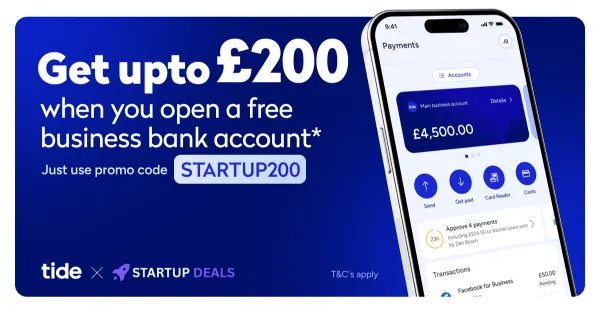
You can check out our curated list of business account deals for exclusive startup offers here.
Prepare the Required Documents
To open an account, you’ll need to provide certain documentation. Here’s what you’ll typically need:
- Sole Traders:
- Proof of ID (passport, driver’s license)
- Proof of UK address (utility bill, bank statement)
- Proof of business activity (invoice, website, HMRC letter)
- Limited Companies:
- Company registration number (CRN)
- Certificate of incorporation (Companies House)
- Proof of identity and address for all directors/shareholders
- Partnerships:
- Partnership agreement
- Proof of identity for all partners
Apply Online or In-Person
Many digital banks such as Monzo, Starling, and Tide allow you to apply online in minutes, while traditional banks may require you to visit a branch or set up a video call. Online applications are faster and more convenient.
Complete ID Verification
For verification, you’ll need to upload a photo of your ID (passport or driver’s license), a utility bill, or a bank statement. Limited companies may also have to verify company directors.
Start Using Your Account
Once approved, you’ll receive your account number, sort code, and business debit card. You can start receiving payments, setting up invoices, and managing business expenses right away.
Top UK Business Bank Account Providers for UK Startups
Below is a list of some of the top UK business bank account providers for startups. These banks and fintechs offer various features designed to help small businesses manage their finances more effectively:
Starling Bank: Offers a free account with no monthly fees and mobile banking. A great choice for businesses looking for a simple, low-cost option.
Monzo Business: An app-based solution with £50 cashback for eligible sign-ups. This is a highly rated option for businesses looking for a mobile-first approach. Read our latest review of Monzo Business here.
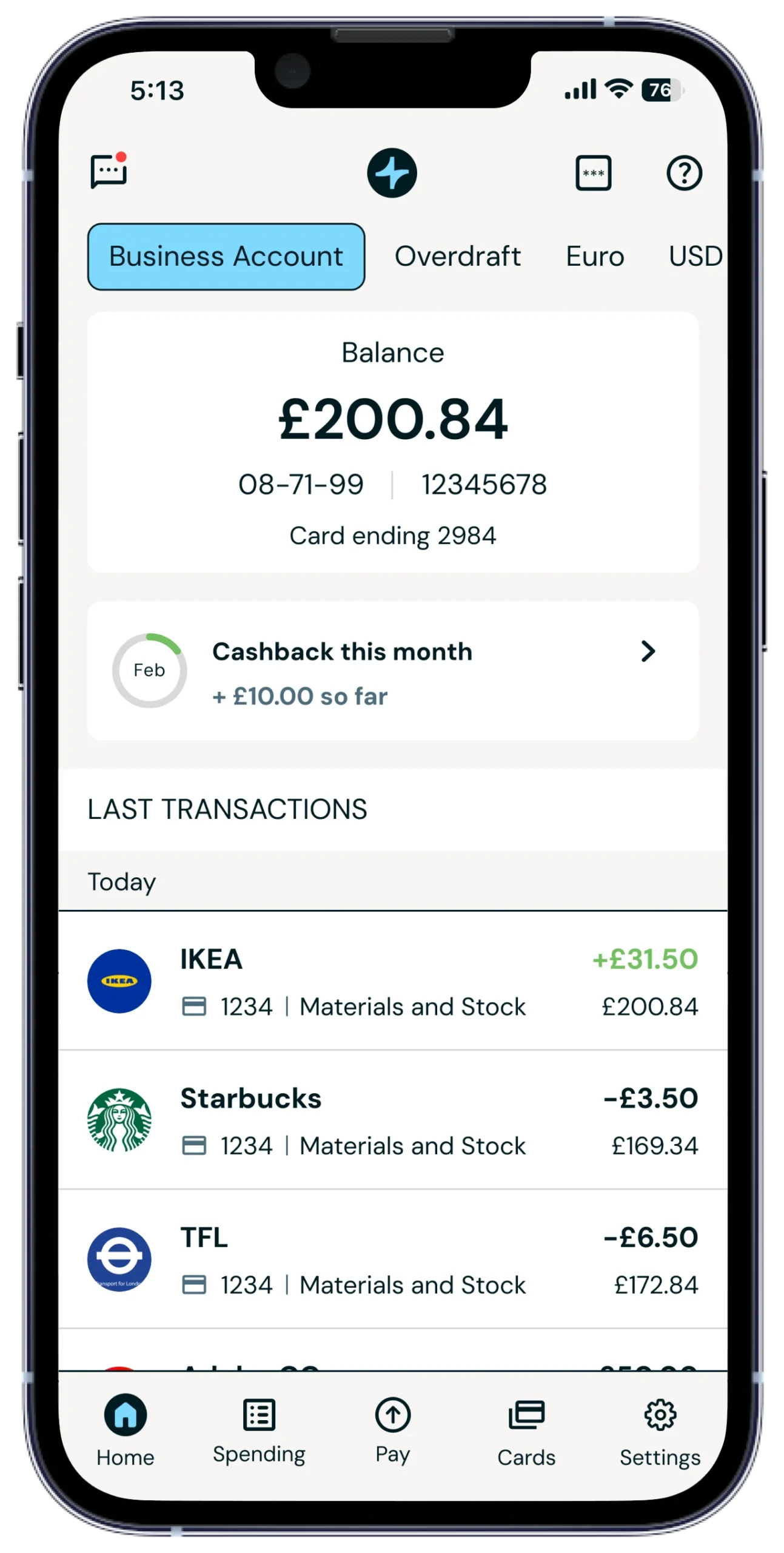
Tide: Known for its easy online setup and tools for freelancers and SMEs, Tide is an excellent choice for small businesses needing fast and flexible banking. Check out our detailed review of Tide here.
ANNA Money: Offers tax tools, invoicing, and 24/7 support. ANNA Money is ideal for businesses that need additional financial management tools. Learn more about ANNA Money in our review here.
Revolut Business: Provides multi-currency support and advanced tools, making it suitable for businesses with international transactions. They offer both free and paid plans.
Barclays: A well-established provider with branch support and traditional banking services. Barclays offers a free 12-month offer for startups, making it a solid choice for those who prefer in-person banking.
Explore our business account deals for exclusive promotions and discounts – here.

Tips for Choosing the Right Business Current Account
Here are some tips to consider when choosing the right business account for your startup:
- Consider scalability: Will the provider still work as your business grows? Does it offer the features you’ll need in the future, such as multi-currency support or advanced tax features?
- Understand the fees: Are there transaction fees, ATM withdrawal limits, or charges for extra services? Make sure to read the fine print.
- Check the customer service: Can you reach someone quickly if you need help? Look for responsive support channels.
- Look for integrations: Does the provider offer integrations with accounting software like Xero or QuickBooks?
Business Current Account Fees: What to Expect
Business account fees vary from provider to provider. Some key fees to be aware of include:
- Monthly maintenance fees
- Transaction fees for card payments or bank transfers
- ATM withdrawal fees for international or non-network ATMs
- Cash deposit fees (if you handle large amounts of cash)
- Currency conversion fees for international transactions
It’s important to understand these costs so that you can choose the most cost-effective option for your business.
Common Mistakes to Avoid When Opening a Business Current Account
- Not comparing multiple providers: Many startups make the mistake of choosing the first provider they find. It’s important to compare fees, features, and customer support before making a final decision. This can help you find the best business current account for your needs.
- Choosing a provider that doesn’t scale: Ensure the account can grow with your business needs.
- Not keeping accurate records: Regularly update your transaction records and reconcile them with your accounting software.
- Overlooking hidden fees: Watch out for ATM withdrawal fees, foreign transaction fees, and other service costs.
FAQs about a Business Current Account:
Do I legally need a business account?
Only limited companies are legally required to have a business bank account in the UK, but it’s strongly recommended for sole traders, freelancers, and startups too. Having a startup business bank account helps keep personal and business finances separate, making tax filing easier and giving your business more credibility. Many clients and suppliers also prefer paying into a business account, so opening one early can help build trust.
Can I use a personal account for my business?
While sole traders technically can use a personal account, banks may flag or close the account if they notice repeated business transactions. Using a dedicated business current account ensures compliance with your bank’s terms and conditions and also gives you access to features like invoicing, expense tracking, and tax tools that personal accounts don’t offer.
How long does it take to open a business bank account?
Digital banks: a few minutes. Traditional banks: 1–5 working days.
Is a credit check involved?
Not always — many digital providers only run identity checks unless you’re applying for credit services.
Can I open a business account if I have bad credit?
Yes. Some providers (like ANNA Money or Tide) are more flexible with credit scores.
What are the benefits of a business bank account for startups?
Opening a startup business bank account helps you separate finances, manage cash flow, and access business tools. Some providers also include perks such as free invoicing software, tax calculators, integration with accounting tools, and even cashback offers. For startups, it can also help build a financial history, which is useful when applying for credit later.
Can I open a UK business bank account online?
Yes. Many digital banks allow you to open an online business bank account in minutes using just your smartphone. You’ll typically need to verify your identity by uploading ID documents and sometimes a selfie video. This is much faster than traditional high street banks, which can take several working days.
Recap: Why a UK Business Bank Account Matters
To recap, a business account helps your startup:
- Separate personal and business finances
- Stay compliant with HMRC
- Appear professional to clients and suppliers
- Gain access to business tools and credit
Final Thoughts: Take the First Step
Opening a UK business bank account is one of the most crucial first steps for any startup. Not only does it help organize your finances, but it also ensures smooth accounting processes and lays the foundation for future growth. Setting up your business account early can help streamline financial management as your business expands.
Don’t wait! Explore the best business bank account deals today and set your startup on the path to financial success.
Latest Posts:
- Zempler Bank Review 2026: Is It Good Value for UK Startups?
 Introduction Zempler Bank offers a genuine UK business bank account from £0 per month, with app and online banking, Post Office cash deposits and built-in tools for invoicing, receipts and… Read more: Zempler Bank Review 2026: Is It Good Value for UK Startups?
 - Hoxton Mix vs Virtually There: Which Virtual Office Service Is Better?
 Introduction If you’re comparing Hoxton Mix vs Virtually There, you’re likely searching for a virtual office provider that offers the right balance of professionalism, affordability, and flexibility. Whether you’re launching… Read more: Hoxton Mix vs Virtually There: Which Virtual Office Service Is Better?
 - Hoxton Mix vs Icon Offices: Which Virtual Office Is Better?
 Introduction Choosing a virtual office provider can have a significant impact on how your business is perceived, how you manage your mail, and even how effectively you maintain privacy as… Read more: Hoxton Mix vs Icon Offices: Which Virtual Office Is Better?
 - 7 Powerful Benefits of Using a Hoxton Mix Virtual Office Address
 Introduction For startups, freelancers, sole traders and growing SMEs, establishing a professional business presence can be challenging. Renting physical office space in London is often expensive, particularly during the early… Read more: 7 Powerful Benefits of Using a Hoxton Mix Virtual Office Address
 - Hoxton Mix Review: Features, Pricing, Pros and Cons Explained
 Introduction If you’re searching for an honest and detailed hoxton mix review, you’re likely comparing virtual office providers and trying to decide whether Hoxton Mix offers good value for your… Read more: Hoxton Mix Review: Features, Pricing, Pros and Cons Explained
 - Hoxton Mix Virtual Office Discount: Save 10% on Your First 12 Months
 Introduction If you’re looking for a professional London business address without the cost of renting physical office space, a Hoxton Mix Virtual Office discount could help you reduce your startup… Read more: Hoxton Mix Virtual Office Discount: Save 10% on Your First 12 Months